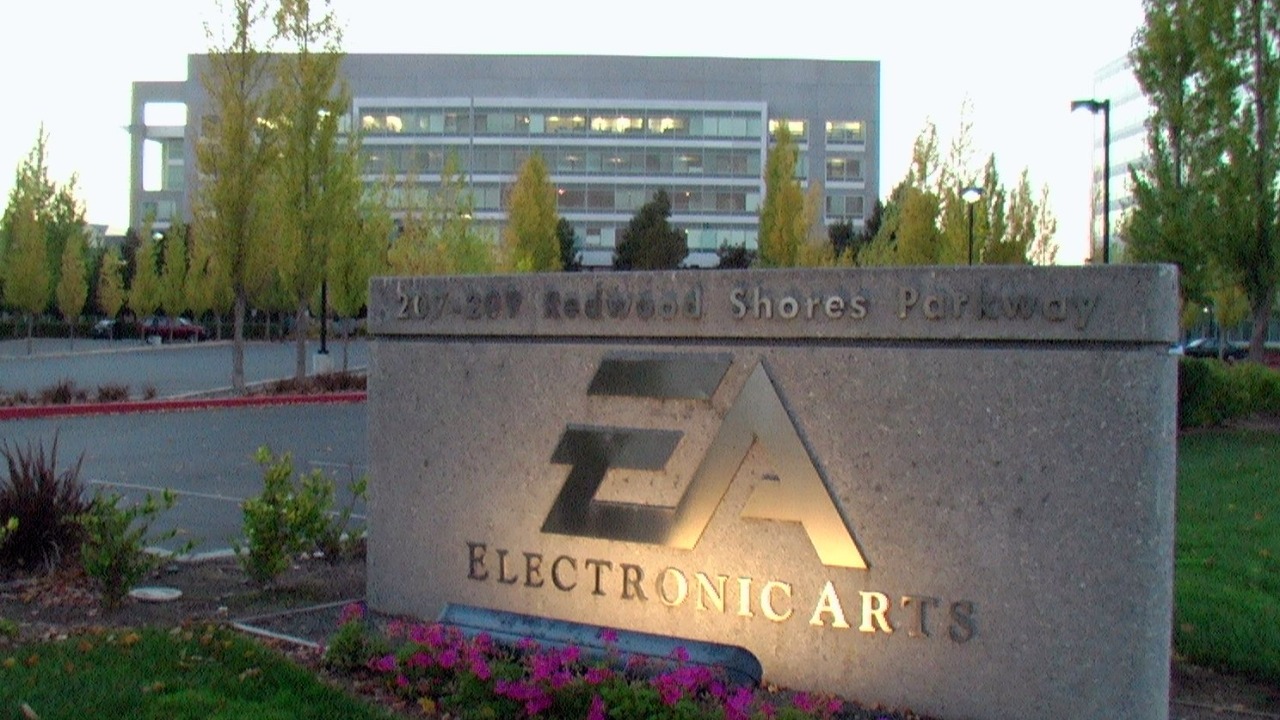
Saudi Arabia is on track to become the dominant owner of one of the world’s most influential game publishers, with its sovereign wealth vehicle poised to control virtually all of Electronic Arts. The prospective buyout would give the kingdom an unprecedented grip on a company behind franchises such as FIFA, Madden and Battlefield, reshaping both global gaming and Saudi Arabia’s own economic ambitions.
At the heart of the deal is Saudi Arabia’s Public Investment Fund, which is set to push its stake in Electronic Arts above 90%, effectively turning the publisher into a crown jewel of the kingdom’s broader push into entertainment and sports. I see this as a pivotal moment that fuses high-end gaming, state-backed capital and geopolitical strategy into a single, high-stakes transaction.
The deal that would put EA under Saudi control
The core of the story is straightforward but staggering: Saudi Arabia’s Public Investment Fund is moving to acquire nearly all of Electronic Arts Inc, turning a major American game publisher into a de facto asset of the Saudi state. Under the buyout plan, the fund is expected to end up with an ownership position that leaves only a sliver of EA’s equity in other hands, effectively giving the kingdom control over the company’s strategy, leadership and long term direction. The move reflects a deliberate choice to anchor Saudi capital in a global entertainment brand rather than simply spreading bets across smaller gaming investments.
Reporting indicates that the Public Investment Fund is not just adding to an existing minority stake but is instead structuring a full scale takeover that would leave it with almost all of Electronic Arts Inc’s shares. The plan envisions a post deal landscape in which Saudi Arabia, through its sovereign vehicle, becomes the overwhelming shareholder of the publisher, with other investors holding only residual positions that carry limited influence over corporate decisions. That shift from a diversified shareholder base to near single state control is what makes this buyout so consequential for the wider industry, as detailed in coverage of Saudi Arabia’s Public Investment Fund and Electronic Arts Inc.
How Saudi PIF’s stake climbs above 90%
What elevates this deal from a large acquisition to a structural shift is the scale of the stake Saudi PIF is expected to hold once the transaction closes. The fund is projected to own more than 90% of Electronic Arts, a level of concentration that effectively removes the company from the realm of typical public market governance and places it under the decisive influence of a single state backed investor. In practical terms, a stake above that threshold gives the fund the power to dictate board composition, approve or block strategic pivots and shape how aggressively EA invests in new technologies or franchises.
The mechanics behind that 90% figure are rooted in a buyout structure that consolidates existing holdings with newly acquired shares, leaving only a small float in the hands of other investors. By pushing its stake in Electronic Arts to above 90%, Saudi PIF is signaling that it is not content with a passive role and instead wants almost full economic and voting control over the publisher. That level of ownership, described in detail in reporting on Saudi PIF’s stake in Electronic Arts to be above 90%, underscores how central EA has become to the kingdom’s investment strategy.
A $55 billion bet on gaming power
Behind the ownership percentages sits a headline number that captures the ambition of the deal: a reported $55 billion price tag that ranks among the largest transactions the gaming sector has ever seen. By committing that scale of capital, the Saudi Fund is not just buying a portfolio of games, it is purchasing a global cultural platform that reaches hundreds of millions of players across consoles, PCs and mobile devices. I read that figure as a clear signal that the kingdom views gaming as a strategic pillar on par with its investments in live sports, tourism and infrastructure.
The framing of the transaction as a $55 billion Bold Takeover Transforms Electronic Arts EA Forever underscores how transformative this move is intended to be, both for the company and for the fund itself. With that level of spending, the Saudi Fund is effectively locking in a long term bet that interactive entertainment will keep expanding faster than traditional media, and that owning a publisher of EA’s scale will deliver both financial returns and soft power dividends. The size and intent of the deal are captured in coverage of the $55 billion Bold Takeover Transforms Electronic Arts EA Forever, which describes how minority shareholders would be left with much smaller stakes once the transaction is complete.
Why Saudi Arabia wants almost all of EA
Saudi Arabia’s push to own nearly all of EA fits neatly into the kingdom’s broader strategy of using entertainment and technology to diversify away from oil. By consolidating control over a publisher that commands global franchises, the Public Investment Fund is buying not just revenue streams but also cultural relevance among younger audiences worldwide. I see this as part of a deliberate effort to position Saudi Arabia as a central player in the digital economy, where games, esports and interactive media are increasingly intertwined with advertising, data and social platforms.
Owning almost all of Electronic Arts Inc also gives Saudi Arabia a powerful lever in its campaign to rebrand the kingdom as a hub for creativity and innovation. Instead of merely hosting events or sponsoring teams, the state would sit at the top of a content pipeline that shapes how football, American football and other sports are experienced in virtual form. That ambition is reflected in reporting that describes how Saudi Arabia’s Public Investment Fund could own nearly all of Electronic Arts Inc under the buyout plan, highlighting the kingdom’s determination to move beyond passive investment and into direct control of a flagship gaming company.
What this means for EA’s games and players
For players, the most immediate question is how this new ownership structure might affect the games they actually play, from annual sports titles to sprawling live service franchises. A state backed majority owner with deep pockets could, in theory, give EA more freedom to take creative risks, extend development timelines or expand server infrastructure without the same quarterly pressure that comes from a fragmented shareholder base. I would expect internal debates to center on whether to double down on existing brands like FIFA and Madden or to use the new capital cushion to incubate fresh intellectual property that can carry the company into the next decade.
At the same time, near total control by a single sovereign investor raises concerns about how content decisions might intersect with political or cultural priorities. Players have already seen how regional regulations can shape in game monetization, loot box mechanics and depictions of sensitive topics, and a Saudi dominated ownership structure could intensify scrutiny of how EA handles representation, social themes and partnerships. While the reporting focuses primarily on the financial contours of the buyout, the underlying reality is that when one state, through its Public Investment Fund, holds almost all of a publisher like Electronic Arts Inc, the line between commercial strategy and national branding inevitably becomes thinner.
Regulatory and antitrust scrutiny around the buyout
A transaction of this scale does not move forward without a long look from regulators, particularly in jurisdictions where EA does significant business. Competition authorities are likely to examine whether the shift to a single dominant shareholder affects market dynamics, even if the deal does not involve a merger between two direct competitors. The focus will be less on traditional antitrust concerns about overlapping product lines and more on governance, transparency and the implications of state ownership for cross border data flows and consumer protection.
One of the key procedural steps in the process has involved filings with antitrust regulators that outline how the Public Investment Fund intends to structure its control of Electronic Arts. Those documents, referenced in coverage of Saudi PIF’s stake in Electronic Arts to be above 90%, provide a roadmap for how the fund plans to manage its majority position while addressing concerns from authorities in markets such as Brazil and beyond. As the stake climbs above 90%, regulators will be weighing not just competition issues but also the broader question of how comfortable they are with a foreign sovereign investor holding almost full control over a major supplier of digital entertainment in their jurisdictions.
How the buyout fits Saudi Arabia’s wider business push
The EA takeover is not happening in isolation, it is part of a sweeping campaign by Saudi Arabia to recast itself as a global business and entertainment hub. Through the Public Investment Fund, the kingdom has poured money into sports, tourism and infrastructure, seeking to build new pillars of economic growth that can outlast the oil era. Acquiring almost all of EA gives that strategy a powerful digital anchor, tying the kingdom’s brand to a company whose products reach living rooms and smartphones around the world.
Coverage of Saudi Arabia’s move to own almost all of EA under a buyout plan has framed the deal as a business story that sits alongside other high profile investments in sports and media. By placing Electronic Arts alongside football clubs, racing series and mega projects, Saudi Arabia is effectively building an ecosystem in which physical events and digital experiences reinforce one another. That context is captured in reporting that describes how Saudi Arabia is set to own almost all of EA under a buyout plan, a development that slots neatly into the kingdom’s broader Business narrative highlighted in sources that reference Saudi Arabia, Business and Waukesha Freeman.
Investor reactions and the shrinking free float
For existing EA shareholders, the buyout represents both an exit opportunity and the end of an era in which the company’s stock traded as a widely held public equity. As Saudi PIF’s stake climbs above 90%, the remaining free float shrinks, reducing liquidity and potentially paving the way for a full squeeze out of minority investors. I expect some institutional holders to welcome a premium offer that crystallizes gains, while others may worry about losing exposure to a company they see as a long term compounder in the gaming space.
The structure described in reports on Saudi PIF’s stake in Electronic Arts to be above 90% suggests that once the fund crosses that threshold, it will have the legal and practical tools to further consolidate ownership if it chooses. That could mean tender offers for remaining shares or corporate actions that make it less attractive for small investors to stay on board. In any case, the direction of travel is clear: as the Public Investment Fund tightens its grip, Electronic Arts shifts from being a broadly held public company to a tightly controlled asset in a sovereign portfolio, with all the implications that carries for transparency, disclosure and minority rights.
What comes next for EA, Saudi PIF and global gaming
Once the dust settles on the transaction, the real test will be how effectively Saudi PIF and EA’s leadership can translate this new ownership structure into sustainable growth. With a stake above 90% and a reported $55 billion on the line, the fund will be under pressure to show that its near total control can unlock value that a more fragmented shareholder base could not. That might involve deeper pushes into mobile, cloud gaming or subscription services, as well as more aggressive expansion into emerging markets where Saudi Arabia is also seeking greater geopolitical influence.
For the wider industry, the deal sets a precedent that other sovereign investors and large funds will study closely. If Saudi Arabia’s Public Investment Fund can demonstrate that owning almost all of a publisher like Electronic Arts Inc delivers both financial returns and strategic benefits, it could encourage similar moves around other major studios or platforms. Conversely, if the integration proves rocky or sparks sustained regulatory and consumer pushback, it may serve as a cautionary tale about the limits of state driven consolidation in creative industries. Either way, the buyout marks a turning point in how power, money and culture intersect in global gaming, with Saudi Arabia now positioned at the center of that conversation.
More From TheDailyOverview
- Tennessee loses $2.6B megafactory and faces major layoffs
- Retired But Want To Work? Try These 18 Jobs for Seniors That Pay Weekly
- What to do with your pennies after the U.S. stops minting them
- Home Depot CEO warns of a troubling customer trend in stores

Grant Mercer covers market dynamics, business trends, and the economic forces driving growth across industries. His analysis connects macro movements with real-world implications for investors, entrepreneurs, and professionals. Through his work at The Daily Overview, Grant helps readers understand how markets function and where opportunities may emerge.

