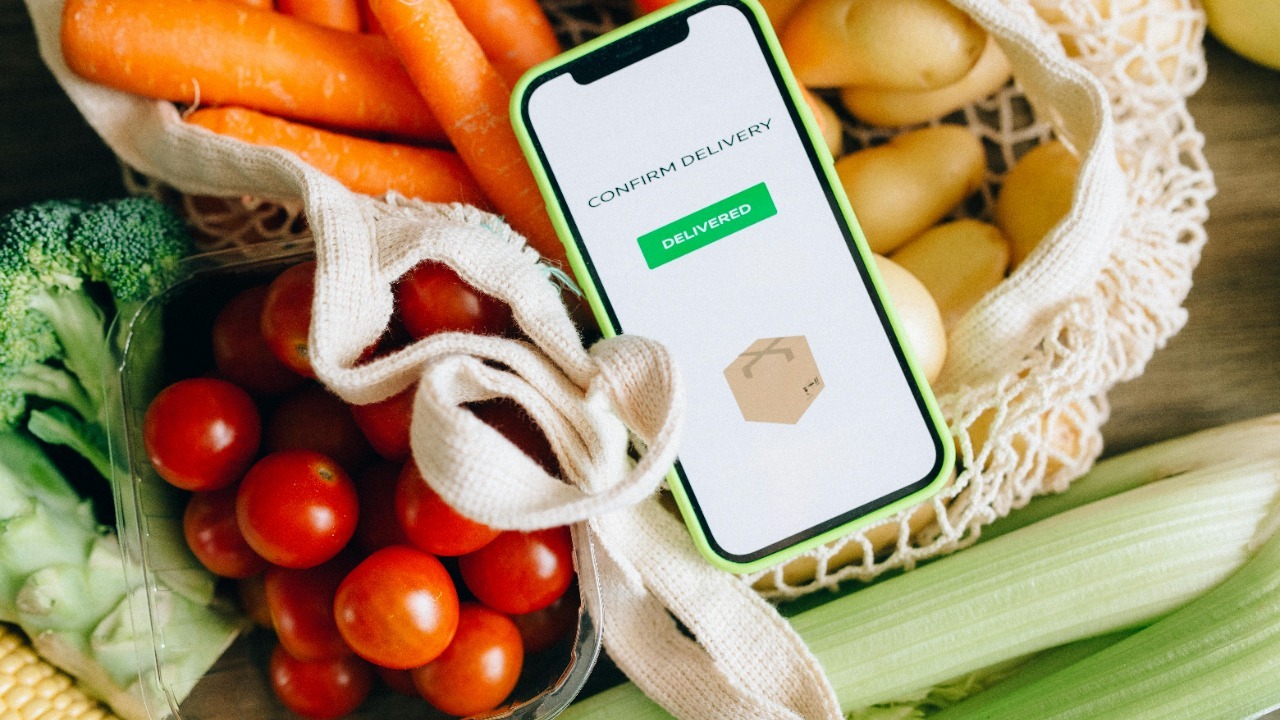
SNAP recipients across the United States have access to a wider set of benefits than most realize, from online grocery ordering to discounted phone and internet service. While the program is best known for covering food purchases at authorized retailers, federal rules and recent legislative changes have opened the door to additional savings that often go unclaimed. With grocery costs continuing to strain household budgets, these six lesser-known perks can help SNAP participants stretch every dollar further.
Online Grocery Shopping in All 50 States
One of the biggest shifts in how SNAP works happened quietly over the past several years. The program now supports online purchasing in all 50 states and the District of Columbia, with remaining U.S. territories also noted for availability. That means recipients can order groceries from participating retailers without leaving home, a significant convenience for people with limited transportation, disabilities, or demanding work schedules.
The online option traces back to a pilot program. USDA announced volunteers for the SNAP Online Purchasing Pilot on January 5, 2017, selecting initial retailers to test the concept. From that small group of participants, the program expanded steadily until it reached nationwide coverage. One critical rule applies: SNAP benefits can only be used for eligible food items, not for delivery, service, or convenience fees. Shoppers need to cover those charges out of pocket or choose free pickup options when available.
Equal Treatment Rules Protect SNAP Shoppers
A common concern among SNAP users is whether they pay higher prices than cash customers at the register. Federal regulations directly address this. Under 7 CFR 278.2, SNAP coupons and benefits must be accepted for eligible foods at the same prices and on the same terms and conditions as cash purchases, with the sole exception of sales tax. Retailers cannot charge SNAP customers more for identical products, and they cannot impose separate conditions on benefit transactions that do not apply to other shoppers.
This equal treatment provision functions as a built-in consumer protection. It prevents authorized stores from creating a two-tier pricing system that would disadvantage benefit recipients. The rule also means that sale prices, buy-one-get-one offers, and loyalty card discounts available to cash customers must extend to SNAP users on the same terms. For recipients who shop at large chains with frequent promotions, this protection ensures they capture the same savings as anyone else in the checkout line, whether they are paying with cash, a debit card, or an EBT card.
Farm Bill Waivers Open the Door to Healthy Food Incentives
While equal treatment rules generally prohibit retailers from offering SNAP-only incentives, a targeted exception exists. The 2018 Farm Bill created a mechanism that allows retailers and their partners to request waivers to run incentive programs that encourage healthier purchasing decisions among SNAP recipients. These waivers let stores offer discounts or bonus credits specifically on items like fruits and vegetables without violating the standard equal treatment framework.
This waiver system represents a significant, if underused, tool. Retailers must apply through USDA’s Food and Nutrition Service, and the programs must be designed to promote nutritious food choices. The practical effect for shoppers is that some stores can legally provide SNAP-exclusive deals on produce and other healthy staples, something that would otherwise be barred. The gap between the policy’s potential and its real-world reach, however, remains wide. Many eligible retailers have not pursued waivers, which means a large share of SNAP households may never encounter these incentive programs at their local grocery store. Kroger, for instance, has launched an discount initiative that offers savings on fruits and vegetables for eligible customers, but such efforts remain the exception rather than the norm across the industry.
SNAP Qualifies Recipients for Lifeline Phone and Internet Discounts
Beyond the grocery aisle, SNAP participation unlocks a benefit that has nothing to do with food. Under federal telecommunications rules codified in 47 CFR 54.409, participation in SNAP qualifies a consumer for the Lifeline program. Lifeline provides monthly discounts on phone or internet service, helping low-income households stay connected for job searches, school, telehealth appointments, and basic communication with family and support networks.
The connection between SNAP and Lifeline is automatic in terms of eligibility. Recipients do not need to meet a separate income test; their SNAP enrollment itself satisfies the federal assistance program requirement for Lifeline qualification. Despite this, awareness remains low. Many SNAP households do not know they can apply for reduced-cost broadband or phone service simply by showing proof of their existing food assistance enrollment. For families already managing tight budgets, the monthly savings on a phone or internet bill can free up cash for other essentials, effectively extending the reach of their SNAP benefits without changing their food budget at all.
Eligible Purchases Cover More Than You Might Expect
The range of items SNAP benefits can buy is broader than many recipients realize. According to USDA’s Food and Nutrition Service, eligible purchases include any food for the household, such as fruits and vegetables, meat, poultry, and fish, dairy products, breads and cereals, and other food items. Seeds and plants that produce food for the household also qualify. The exclusions are narrower than people often assume: alcohol, tobacco, vitamins, medicines, and prepared hot foods at the point of sale are off the list, along with non-food items like hygiene products and cosmetics.
This wide eligibility means SNAP dollars can cover everything from a bag of rice to a birthday cake from a bakery section, as long as it is not sold hot. Recipients who stick to a mental list of “basics” may be leaving value on the table by not realizing that specialty ingredients, seafood, and even some energy drinks (provided they carry a nutrition facts label) fall within the program’s scope. The agency’s description of covered groceries makes clear that the program is designed to support a full range of household food needs, not just bare-minimum staples, allowing families to plan meals with greater variety and flexibility.
Regulatory Safeguards Back Up These Benefits
Each of these perks rests on a specific legal foundation, and the regulatory texts are publicly accessible for anyone who wants to verify their rights. The equal treatment rule, the Farm Bill waiver process, and the Lifeline qualification standard are all codified in the Code of Federal Regulations. Institutions like Cornell University host the Legal Information Institute, which maintains publicly searchable mirrors of these federal rules, making it possible for recipients, advocates, and retailers to confirm exactly what the law requires without needing a legal background. Anyone can use the university’s online search tools to locate the relevant parts of the regulations and read them in full.
This transparency matters because misinformation about SNAP rules circulates widely. Some recipients believe they cannot use benefits online, or that stores can charge them differently, or that SNAP only covers a narrow list of staple foods. The actual regulations tell a different story. When a cashier or store policy seems to conflict with what the law allows, recipients can point to the specific CFR section and, if needed, file a complaint with USDA or seek help from a legal aid office. Knowing where to find the rules is itself a form of savings, because it prevents households from accepting restrictions that do not actually exist and helps ensure they receive every benefit the law provides.
How to Capture These Savings in Practice
Turning awareness into action requires a few concrete steps. For online grocery shopping, recipients should check which retailers in their area accept SNAP through digital platforms and compare options for home delivery versus curbside pickup. Because EBT can only cover eligible food items, not service or delivery charges, it often makes financial sense to choose pickup or to look for stores that waive or discount fees. Shoppers can also combine online promotions, store loyalty programs, and manufacturer coupons with their SNAP benefits, as long as the final transaction complies with program rules and the equal treatment requirement is honored.
To take advantage of cross-program benefits, households can gather basic documentation showing their SNAP enrollment and use it when applying for Lifeline-supported phone or internet plans, or when exploring retailer-run healthy food incentive programs in their area. Asking customer service desks about produce discounts tied to SNAP, keeping an eye on store flyers, and checking state or local SNAP outreach websites can reveal additional savings opportunities created under the Farm Bill waiver authority. By understanding the full range of eligible purchases, knowing their rights at the checkout, and leveraging related programs like Lifeline, SNAP recipients can turn what might seem like a single-purpose benefit into a broader toolkit for lowering everyday living costs.
More From The Daily Overview
*This article was researched with the help of AI, with human editors creating the final content.

Cole Whitaker focuses on the fundamentals of money management, helping readers make smarter decisions around income, spending, saving, and long-term financial stability. His writing emphasizes clarity, discipline, and practical systems that work in real life. At The Daily Overview, Cole breaks down personal finance topics into straightforward guidance readers can apply immediately.

