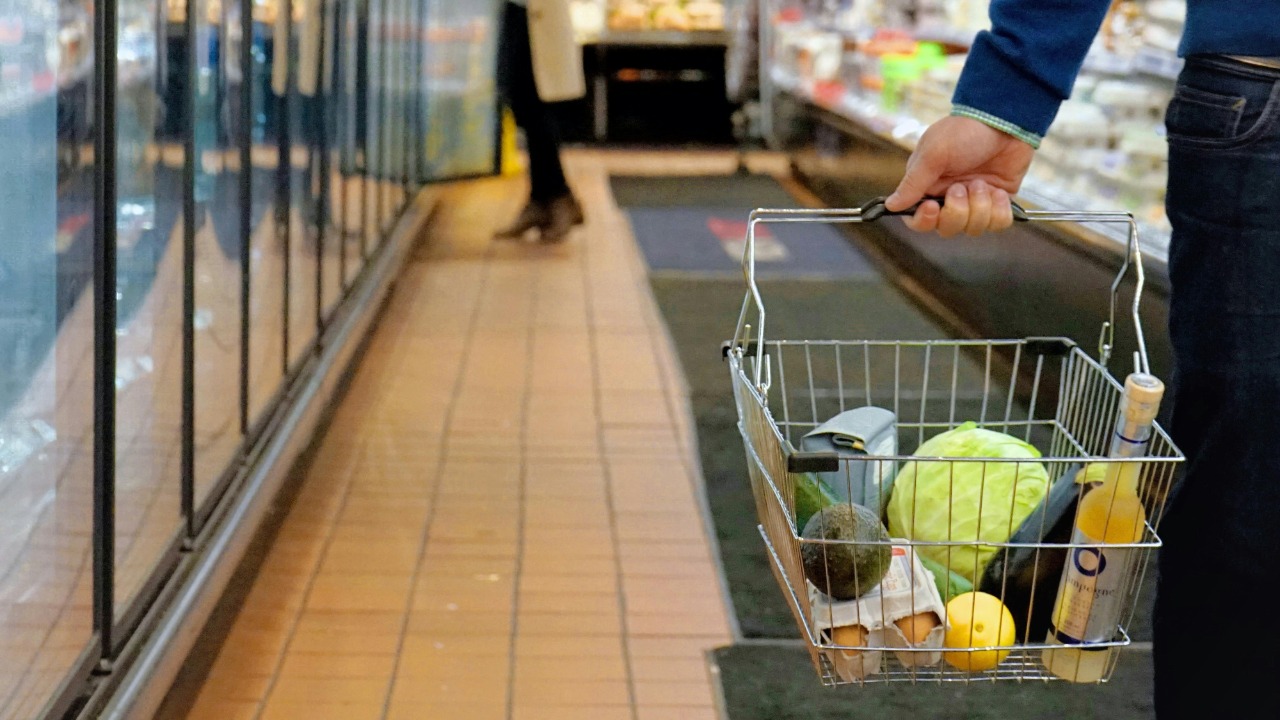
American grocery shoppers are facing a painful reality at the checkout line: the bird flu crisis has sent egg prices on a trajectory that could see them jump by double digits this year, while chocolate costs have already climbed sharply in early 2026. The broader food price picture remains relatively stable, but specific staples are spiking hard enough to trigger alarm among consumers who remember the empty shelves and rationing of recent years. This article breaks down what the latest federal data actually shows, where the pain is concentrated, and whether the worst is still ahead.
Federal Data Shows a Split in Food Prices
The gap between overall grocery inflation and the cost of individual items has rarely been this wide. The January 2026 release from the Bureau of Labor Statistics shows that the overall Consumer Price Index, the food index, and food at home are rising at a pace that many households can still absorb. That modest trajectory, however, masks violent swings in specific product categories that hit family budgets far harder than any aggregate number suggests, especially when those categories are everyday staples rather than occasional treats.
Eggs and chocolate sit at the sharp end of that divergence. While the headline food index is moving in low single digits, some individual items that families buy every week are climbing at rates several times higher. The result is a grocery experience that feels much worse than official averages imply. For lower-income households that spend a larger share of their budgets on staples like eggs, dairy, and baking ingredients, the mismatch between aggregate data and lived reality can deepen distrust in official statistics and fuel a sense that the economic recovery has passed them by.
Eggs on Track for a Staggering Price Jump
The USDA’s Economic Research Service is projecting that egg prices could jump 41% this year, a forecast driven by repeated waves of highly pathogenic avian influenza that have decimated commercial flocks across the country. That kind of increase would push a standard carton of eggs well past the price points that triggered panic buying during earlier outbreaks, and it helps explain why some shoppers are already stockpiling when they find eggs on the shelf. For restaurants, bakeries, and food manufacturers that rely heavily on eggs, such an increase also raises the prospect of higher menu prices and product shrinkflation as businesses look for ways to manage costs without alienating customers.
The bird flu crisis is not new, but its persistence is what makes this round different. Each wave of HPAI-driven losses has thinned the national flock further, and rebuilding laying capacity takes months even under ideal conditions. A federal bird flu response plan has been announced, but critics argue the intervention arrives after the supply damage is already baked in and does little to cushion the immediate impact on retail prices. For families that rely on eggs as one of the cheapest sources of protein available, a 41% annual increase would effectively push them into a different tier of grocery spending, forcing trade-offs with other essentials such as fresh produce or household goods.
Chocolate Prices Defy Falling Cocoa Costs
Egg sticker shock is not the only jolt waiting at the store. U.S. retail chocolate prices climbed 7.8% in 2025 and then accelerated to a 14% increase early in 2026, even as raw cocoa commodity prices have started to ease from historic highs. The disconnect between easing ingredient costs and rising shelf prices frustrates consumers, particularly around holidays like Valentine’s Day and Easter when chocolate demand peaks and promotional displays highlight just how far prices have moved in a short period.
The lag exists because chocolate manufacturers locked in cocoa at peak prices through long-term supply contracts, and those agreements can take quarters or even years to roll off. In effect, producers are still paying yesterday’s record prices even as today’s spot market softens, much like a homeowner stuck with a high mortgage rate long after interest rates fall. Demand has also remained strong enough that producers face little pressure to cut prices quickly, especially for premium and seasonal products. The practical effect for shoppers is that relief on chocolate may not show up until late 2026 at the earliest, and uncertainty around trade policy and tariffs on imported cocoa adds another variable that could delay any meaningful price correction.
USDA Outlook Reveals Wide Forecast Uncertainty
The Economic Research Service resumed its monthly Food Price Outlook updates on January 23, 2026, after a gap in which October through December 2025 estimates were not released. That data blackout is notable because it left consumers, retailers, and food producers flying blind during a critical holiday shopping and baking season when egg and chocolate demand typically surges. Without updated federal guidance, businesses had to rely on their own models and anecdotal evidence to set prices and plan inventories, raising the risk of both overstock and shortage.
When the outlook finally resumed, the ERS projected that overall food prices could change by between -4.6% and 5.2% in 2026, a range so wide it essentially spans modest deflation to meaningful inflation. That spread reflects genuine uncertainty about how bird flu containment, global trade conditions, and consumer behavior will interact over the coming months. When a federal agency publishes a forecast window that stretches nearly ten percentage points, it signals that the models themselves are struggling to pin down where prices will land. For household budget planning, that kind of uncertainty is almost as damaging as a confirmed price hike because it makes it difficult to decide whether to stock up now, delay big purchases, or change shopping habits altogether.
Why Shoppers Feel the Pain More Than Data Shows
Aggregate food inflation statistics can obscure the lived experience of grocery shopping. A family that buys eggs three times a week and bakes with chocolate on weekends is absorbing price increases that dwarf the overall food index, even if other categories such as canned vegetables or dry grains remain relatively stable. The CPI measures a broad basket of goods, and when a few categories fall or hold steady, they can pull the average down even as the items people actually reach for most often spike. This is the core tension in the current food price environment: the headline number looks manageable, but the receipt tells a different story, particularly for households with children, dietary restrictions, or cultural traditions that rely heavily on specific foods.
Standard coverage of food inflation also tends to focus on year-over-year percentage changes, but what matters to a family earning $50,000 is the absolute dollar amount added to their weekly grocery run. A 41% increase on eggs, combined with a 14% jump on chocolate, stacks on top of price increases that already accumulated in 2024 and 2025. The compounding effect means that even if inflation rates moderate later this year, prices are unlikely to return to pre-crisis levels. Shoppers are not just reacting to today’s sticker price; they are absorbing the cumulative weight of three years of above-normal food cost increases, and many are responding by cutting back on non-essentials, trading down to store brands, or visiting multiple stores in search of better deals.
Bird Flu Response and the Supply Chain Bottleneck
The federal government’s bird flu plan attempts to address the supply side of the egg crisis, but the timeline for meaningful flock recovery stretches well beyond the current price spike. Replacing millions of lost laying hens requires hatching, raising, and maturing new birds, a process that takes roughly five to six months under ideal conditions. Repeated HPAI outbreaks have disrupted that cycle multiple times, and stricter biosecurity measures, while necessary to contain the virus, can slow the movement of birds and eggs through the supply chain, adding logistical costs on top of pure production losses.
There is a reasonable critique that the response plan arrives too late to prevent the price damage already in motion. By the time new hens reach laying age, the projected 41% increase may have already hit consumers in full, and any subsequent price easing could be modest if demand remains strong. The pattern mirrors earlier waves of avian influenza that left store shelves bare and forced retailers to impose purchase limits on eggs and egg-based products. Whether the current plan can break that cycle depends heavily on containment success during the spring migration season, which historically brings new outbreaks as wild birds move across the continent. If containment fails again, the USDA’s already wide forecast range could tilt toward the upper end, and egg prices could climb even higher than current projections suggest, with ripple effects on everything from breakfast menus to holiday baking.
What Comes Next for Grocery Budgets
The combination of bird flu, sticky chocolate pricing, and a historically wide USDA forecast window creates a period of real financial stress for American households. Some families may shift protein sources, moving toward canned beans, tofu, lentils, or discounted meat cuts as egg prices climb. That kind of substitution happened during the meat price surges of 2022, and there are early signs it could repeat as shoppers experiment with egg-free baking or stretch recipes that use fewer eggs. But substitution only works when alternatives remain affordable, and broad uncertainty around food prices makes even that calculus unreliable for households already juggling rent, utilities, and transportation costs.
The data available right now points in a clear direction: specific staple foods are getting significantly more expensive, and the forces driving those increases—from avian influenza to commodity contract lags—are not going to resolve quickly. Federal forecasts acknowledge the uncertainty with a range that stretches from modest deflation to meaningful inflation, which is itself an admission that the usual predictive tools are straining under unusual conditions. For shoppers standing in the grocery aisle, the practical takeaway is straightforward. Egg and chocolate prices are likely to stay elevated through at least the middle of 2026, and building that expectation into household budgets now—by planning meals more carefully, watching store promotions, and considering cheaper substitutes where possible—is more realistic than hoping for a rapid return to the prices of just a few years ago.
More From The Daily Overview
*This article was researched with the help of AI, with human editors creating the final content.

Grant Mercer covers market dynamics, business trends, and the economic forces driving growth across industries. His analysis connects macro movements with real-world implications for investors, entrepreneurs, and professionals. Through his work at The Daily Overview, Grant helps readers understand how markets function and where opportunities may emerge.

