
An individual with a mortgage-free $4.2 million home and a $9.5 million net worth stands at a pivotal point in affluent retirement planning. This scenario underscores how even significant assets can be challenged by decisions related to home renovations. Experts suggest that delaying certain home projects can be a strategic move to protect retirement timelines and financial resources. This approach is particularly relevant for those balancing substantial home equity with broader financial goals.
Financial Trade-Offs in Renovation Decisions

Renovation costs can significantly impact retirement savings, especially when managing a high-value property like a $4.2 million home. The financial pressure of maintaining such a property can lead to difficult decisions about whether to invest in home improvements or prioritize retirement savings. The opportunity cost of allocating funds to renovations instead of retirement vehicles like IRAs or 401(k)s can be substantial. By choosing to invest in retirement accounts, individuals can potentially benefit from compound interest and tax advantages, which might outweigh the immediate gratification of home upgrades.
Budgeting strategies play a crucial role in navigating these financial trade-offs. Prioritizing essential renovations over discretionary ones can help avoid delaying retirement by several years. For instance, focusing on necessary repairs that maintain the home’s value and safety can be more prudent than pursuing aesthetic upgrades. This approach not only preserves financial resources but also aligns with long-term retirement goals, ensuring that individuals can enjoy their post-retirement years without financial strain.
Key Home Projects Recommended for Postponement
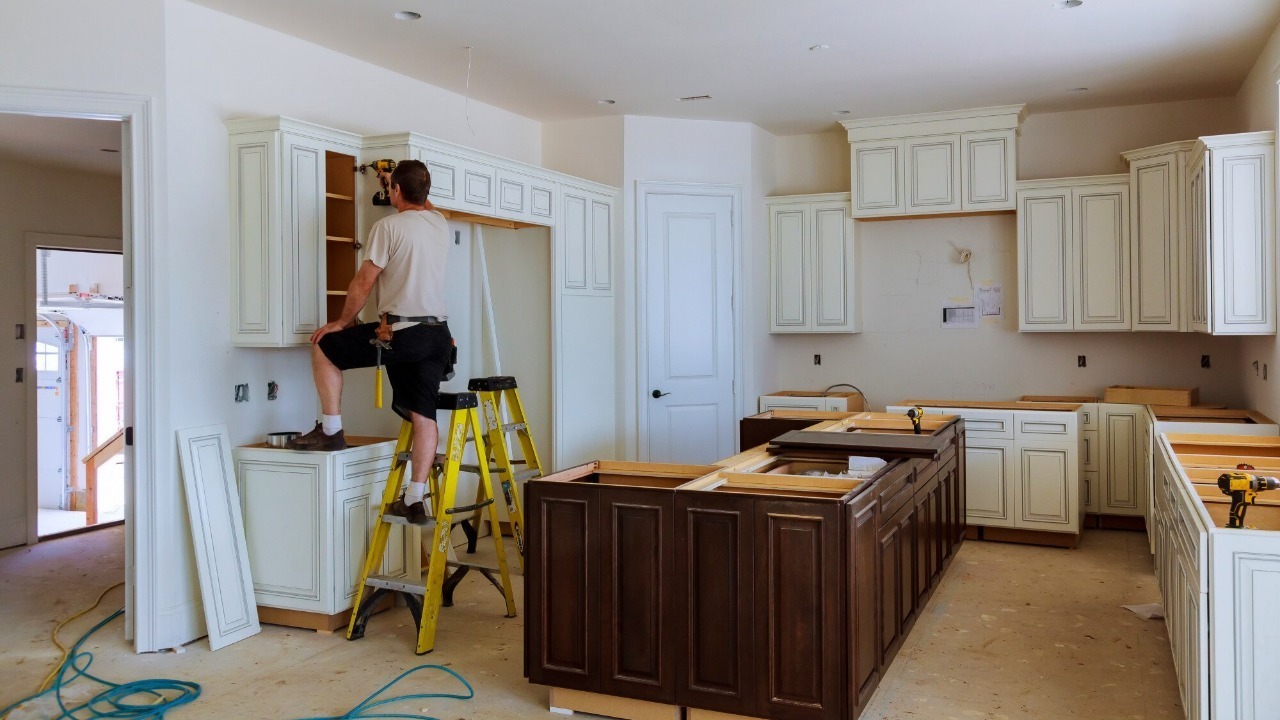
Experts recommend delaying certain high-cost home projects that are not immediately necessary for pre-retirement homeowners. One such project is a major kitchen remodel, which can be expensive and often offers limited return on investment before retirement. By postponing this project, homeowners can allocate funds to more critical areas, such as retirement savings or essential home maintenance, ensuring financial stability during retirement.
Another project advised for postponement is extensive landscaping or outdoor renovations. While these improvements can enhance curb appeal, they are often not urgent and can wait until after retirement when income streams are more stable. By delaying such projects, homeowners can avoid unnecessary financial pressure and focus on securing their retirement plans.
The third project to consider delaying is a full bathroom remodel. Although updating bathrooms can add value to a home, the immediate necessity is often low compared to the financial impact. By holding off on this project, homeowners can achieve potential savings and reduce the financial strain on their retirement planning. This strategic delay allows for a more balanced approach to managing home and retirement goals.
Real-World Examples of Renovation Impacts

The financial position of an individual with a mortgage-free $4.2 million home and a $9.5 million net worth illustrates how significant assets can influence renovation choices. In such scenarios, the decision to delay renovations can preserve retirement goals. For example, some homeowners who postponed costly upgrades were able to retire on time, while others who proceeded with renovations faced extended working years to recoup the expenses.
Experts highlight that leveraging home equity, like in a $4.2 million property, can be a viable option without undertaking full-scale updates. By tapping into home equity through loans or lines of credit, homeowners can access funds for essential needs without compromising their retirement savings. This approach provides a financial cushion, allowing individuals to maintain their lifestyle and meet retirement objectives without the burden of unnecessary renovations.
Strategies for Balancing Home and Retirement Goals

Phased renovation plans that align with retirement milestones can help avoid large financial outlays that might impact a $9.5 million net worth trajectory. By breaking down renovations into manageable phases, homeowners can address necessary updates over time, ensuring that each project aligns with their financial situation and retirement timeline. This strategy allows for flexibility and reduces the risk of financial strain.
Low-cost alternatives to the three delayed projects, such as DIY options or targeted upgrades post-retirement, can also be effective. For instance, simple cosmetic changes or minor repairs can refresh a home without the high costs associated with major renovations. These alternatives provide a cost-effective way to maintain the home’s appeal and functionality while preserving retirement savings.
Consulting financial planners to assess the return on investment of renovations against retirement needs is advisable. By using examples of mortgage-free homes, financial planners can offer tailored advice that considers the individual’s unique financial situation and goals. This professional guidance ensures that homeowners make informed decisions that support both their home and retirement aspirations.
Ultimately, the decision to delay home renovations in favor of securing retirement goals is a strategic choice that requires careful consideration of financial priorities. By evaluating the costs and benefits of each project, homeowners can make informed decisions that align with their long-term financial well-being.
For more insights on delaying home projects, visit AOL. To explore the financial implications of managing a high-value home, see the detailed analysis at 24/7 Wall St.

Nathaniel Cross focuses on retirement planning, employer benefits, and long-term income security. His writing covers pensions, social programs, investment vehicles, and strategies designed to protect financial independence later in life. At The Daily Overview, Nathaniel provides practical insight to help readers plan with confidence and foresight.