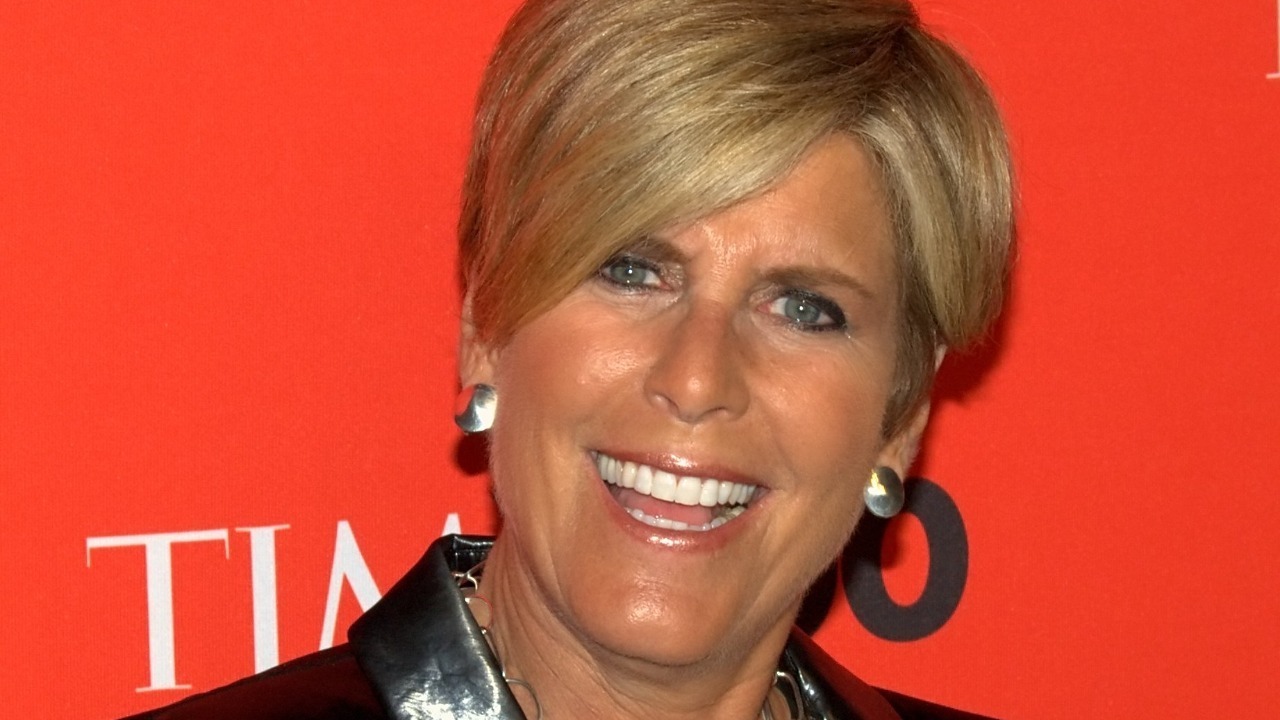
Suze Orman, a renowned personal finance expert, cautions against claiming Social Security benefits before reaching full retirement age. She highlights that doing so can result in a permanent reduction of up to 30% for those who start collecting at age 62, which can significantly impact long-term financial security for retirees.
Orman, along with other experts like Dave Ramsey, advises delaying claims until at least age 70 to maximize monthly payments, potentially increasing benefits by 8% per year past full retirement age up to 70. For many, the higher lifetime payout from waiting outweighs the immediate access to funds, especially given the average benefits of $1,920 monthly for those claiming at full age versus $1,345 at 62.
The Mechanics of Social Security Claiming Ages

Understanding the mechanics of Social Security claiming ages is crucial for making informed decisions. The full retirement age varies between 66 and 67, depending on one’s birth year. Claiming benefits early, at age 62, locks in reduced payments that do not increase even after reaching full retirement age. This reduction can have lasting effects on one’s financial well-being, as highlighted by Orman. Delayed retirement credits, on the other hand, add 8% annually from full retirement age to 70. For instance, a $1,000 full benefit can grow to $1,320 at age 70 for someone born in 1960 or later, illustrating the financial advantage of waiting.
Spousal and survivor benefits are also affected by early claiming. If benefits are claimed early, a surviving spouse might receive only 71.5% of the deceased’s benefit. This reduction can significantly impact the surviving spouse’s financial stability, making it essential to consider the long-term implications of early claiming. Orman’s advice underscores the importance of evaluating these factors to ensure financial security for both individuals and their families.
Financial Impact of Early Claiming

The financial impact of claiming Social Security benefits early is substantial. For those with a full retirement age of 67, claiming at 62 results in a reduction of benefits by 5/9 of 1% per month for the first 36 months and 5/12 of 1% thereafter, totaling about a 30% decrease. This formula illustrates the significant cut in benefits that early claimants face. For example, a worker entitled to a $2,000 full benefit would receive only $1,400 at age 62. Over a 20-year retirement, this decision could result in $144,000 less in benefits compared to waiting until age 67.
Inflation further compounds the issue, as reduced base benefits lead to lower cost-of-living adjustments over time. This erosion of purchasing power disproportionately affects early claimants, who may find their financial resources insufficient to maintain their standard of living. Orman’s insights emphasize the importance of considering these factors when deciding when to claim Social Security benefits.
Why Delaying Maximizes Lifetime Income

Delaying Social Security benefits can maximize lifetime income, particularly for those who live beyond the average life expectancy of 84 for men and 87 for women. Orman points out that delayed benefits can yield higher total payouts, with potential increases of $336,000 over 25 years compared to early claiming. This significant difference highlights the financial advantages of waiting, especially for those with longer life expectancies.
Health and longevity are critical factors in this decision-making process. Orman advises individuals to assess their personal life expectancy, noting that many Americans underestimate how long they will live post-65. By considering these factors, individuals can make more informed decisions about when to claim benefits, ensuring they maximize their financial resources in retirement.
Comparing scenarios further illustrates the benefits of delaying. A 62-year-old claiming $1,100 monthly would receive $1,760 if they waited until age 70. The breakeven point occurs around age 80, with net gains accumulating thereafter. This example underscores the potential financial benefits of delaying Social Security claims, reinforcing Orman’s advice to consider long-term financial security.
Practical Strategies Aligned with Orman’s Advice

To bridge the gap to full retirement age without claiming Social Security early, Orman suggests several practical strategies. Part-time work, 401(k) withdrawals, or Roth conversions can provide necessary income while preserving Social Security benefits. These strategies help individuals avoid early penalties and maintain financial stability.
Coordinating with a spouse is another effective strategy. One spouse can delay claiming while the other claims spousal benefits early, optimizing household income. This approach aligns with the joint guidance of Orman and Ramsey, emphasizing the importance of strategic planning to maximize benefits.
Using the Social Security Administration’s online calculators can also aid in decision-making. By modeling personal scenarios and factoring in work history and health, individuals can confirm whether delaying benefits fits their needs. Orman’s advice highlights the importance of personalized planning to ensure financial security in retirement.
For more detailed insights, refer to 247wallst.com, USA Today, and Yahoo Finance for comprehensive coverage on this topic.

Nathaniel Cross focuses on retirement planning, employer benefits, and long-term income security. His writing covers pensions, social programs, investment vehicles, and strategies designed to protect financial independence later in life. At The Daily Overview, Nathaniel provides practical insight to help readers plan with confidence and foresight.

