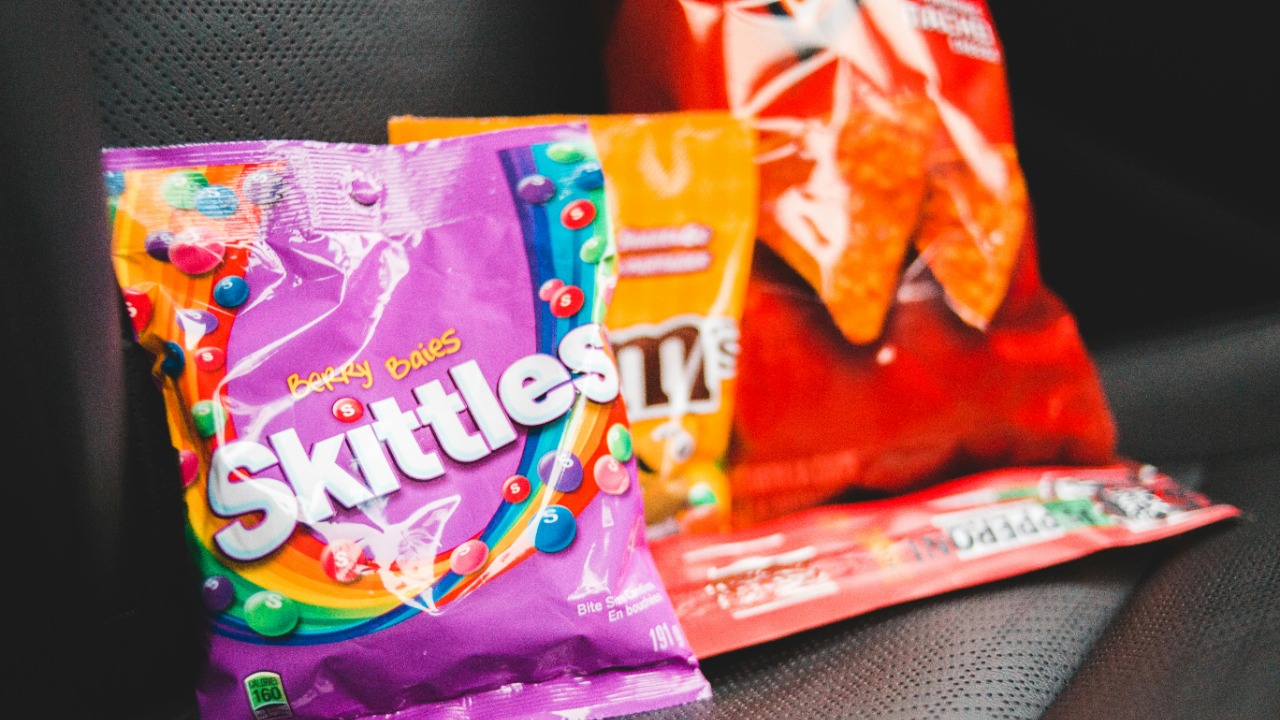
Shrinkflation in 2025 is quietly reshaping everyday shopping, as familiar staples get smaller while price tags stay put. From snack aisles to cleaning supplies, the pattern shows how brands respond to cost pressures without obvious sticker shock, leaving households to do the math. I will walk through eight concrete examples that illustrate how this hidden inflation works in practice and why it matters for budgets that are already strained.
1) Doritos Tortilla Chips Shrink by 1.75 oz
Doritos tortilla chips are a textbook case of shrinkflation in 2025, with NielsenIQ reporting that Frito-Lay cut the package size from 11 oz to 9.25 oz while keeping the price at $4.49 in major U.S. retailers like Walmart in Chicago, IL. That 1.75 oz reduction means shoppers pay the same shelf price for fewer chips, a subtle change that can be easy to miss until a bag empties faster during a family movie night or game-day spread.
This kind of downsizing fits into a broader pattern that Our consumer outlook describes, where brands adjust pack sizes instead of raising prices outright. For households already juggling higher grocery and energy costs, the Doritos shift effectively raises the per-ounce cost of a popular snack without triggering the psychological shock of a higher sticker price. I see this as a clear example of how shrinkflation erodes value in small, cumulative steps that add up over a month of shopping.
2) Tide Pods Laundry Detergent Cuts Pod Count
Tide Pods laundry detergent shows shrinkflation moving beyond food into household essentials, as Consumer Reports found that Procter & Gamble reduced pack sizes from 57-count to 48-count while the price stayed at $19.99 in stores across New York and Los Angeles. The package looks familiar on the shelf, but nine fewer pods mean fewer loads of laundry for the same out-of-pocket cost, effectively raising the cost per wash for families that rely on this product.
The quiet shift in Tide Pods quantity mirrors what a September 2024 analysis from Lending Tree documented, where about one-third of approximately 100 common consumer products had shrunk in size or quantity. When a staple like laundry detergent follows that pattern, the impact extends beyond the grocery aisle into routine household maintenance. I see this as particularly significant for renters and lower income households that buy branded detergents expecting consistent performance and value but now get fewer uses per purchase.
3) Cheerios Cereal Box Loses 2 oz of Volume
Cheerios, a breakfast staple, is also caught in the 2025 shrinkflation wave, with the USDA Food Price Outlook projecting that General Mills will reduce box volume from 14 oz to 12 oz while keeping the price at $4.99. That 2 oz drop may not sound dramatic, but for Iowa farms and other rural Midwest households that rely on cereal as an affordable, shelf stable breakfast, it means boxes run out sooner even though the register total does not change.
The same Food Price Outlook, which incorporates the August 2025 Consumer Price Index and Producer data and is summarized in September findings, underscores how food manufacturers are adjusting product sizes as part of their response to cost pressures. When a legacy brand like Cheerios trims volume while holding price, it effectively nudges families toward either buying more boxes or switching to cheaper private labels. I view this as a subtle but meaningful shift in how inflation shows up in rural pantries, where long drives to town make every ounce of cereal count.
4) Gatorade Bottles Get 2 oz Smaller
Gatorade illustrates shrinkflation in the beverage aisle, with Kantar Worldpanel data showing PepsiCo cutting bottle size from 20 oz to 18 oz while keeping the price at $1.99 in urban markets such as Atlanta, GA, and Philadelphia, PA. For athletes, students, and workers who grab a bottle on the go, the label and price look familiar, but each purchase now delivers 2 oz less hydration for the same cost.
This kind of downsizing aligns with broader shrinkflation trends that research has quantified, including findings that Some major brands reduced product sizes by over 30% in 2024 and that “shrinkflation” averaged 16.2% among selected national grocery brands. While Gatorade’s 2 oz reduction is smaller than those extremes, it still raises the per-ounce price in a way that is hard to spot without comparing labels. I see this as especially impactful in city neighborhoods where single-serve drinks are a daily purchase and small size cuts can quietly strain tight budgets.
5) Kraft Mac & Cheese Dinners Trimmed to 6 oz
Kraft Mac & Cheese, a budget friendly boxed dinner, is another 2025 shrinkflation example, with preliminary Bureau of Labor Statistics Consumer Price Index data indicating that Kraft Heinz reduced the portion size from 7.25 oz to 6 oz while keeping the price fixed at $1.19. For families in Southern states including Texas, that smaller box means less pasta and cheese powder per meal, even though the price tag on the shelf has not budged.
The shift in Kraft Mac & Cheese portions lands at a time when meat costs are also rising, with reporting that Beef prices went up 14% from January to August 2025, as discussed in writing on Beef markets that even notes how “Even the normally staid Wall Street Journal” highlighted that “Grain traders like” the current price environment. When a low cost staple shrinks while protein prices climb, households have fewer ways to stretch a dollar at dinner. I see this combination as a direct hit to family budgets that depend on boxed dinners to fill plates when paychecks run thin.
6) Dove Soap Bars Weigh Less at 2.6 oz
Dove soap bars show shrinkflation reaching into personal care, with Euromonitor International’s 2025 forecast indicating that Unilever reduced bar weight from 3.17 oz to 2.6 oz while keeping the retail price at $2.99 in European influenced U.S. chains in Miami, FL. The bar still looks like the same familiar rectangle in its white packaging, but each one now contains less soap, which can shorten the time between restocks for households and hotel operators alike.
This kind of change fits into a wider consumer environment where a September consumer outlook notes that shoppers are scrutinizing value more closely as they head into 2025. When a trusted brand like Dove trims bar weight without lowering price, it effectively raises the per-ounce cost of basic hygiene. I see this as especially important for low income consumers and caregivers who buy multi-packs, because the reduced weight can quietly increase annual spending on something as fundamental as soap.
7) M&M’s Candy Bags Down to 8 oz
M&M’s candy bags are also getting smaller, with IRI market research from 2024 Q4 showing that Mars Wrigley reduced bag size from 9.9 oz to 8 oz while keeping the price at $3.49, based on sales data from holiday seasons in Detroit, MI, and Seattle, WA. For shoppers filling stockings or office candy bowls, the colorful packaging and price look unchanged, but each bag now holds nearly 2 oz fewer candies.
This holiday focused shrinkflation echoes broader findings that about one-third of approximately 100 common consumer products had shrunk in size or quantity, as highlighted in a September analysis of rising grocery prices. When seasonal treats like M&M’s follow that pattern, the impact is not just financial but psychological, because traditions built around sharing candy now deliver a little less. I see this as a reminder that shrinkflation is not limited to necessities, it also reshapes small pleasures that people rely on during holidays to feel generous without overspending.
8) Nescafé Coffee Jars Reduced to 5 oz
Nescafé instant coffee brings shrinkflation into the morning routine, with a Wall Street Journal article from January 2025 reporting that Nestlé reduced jar size from 6 oz to 5 oz while keeping the price at $7.99 unchanged. In that coverage, CEO Mark Schneider is quoted saying, “We’re adapting to cost pressures without passing them on fully,” framing the size cut as a compromise in global supply chain contexts affecting U.S. East Coast ports like Baltimore, MD.
This move lands in a broader environment where food and beverage companies are adjusting pack sizes as part of their inflation strategy, a trend that the September Food Price Outlook summary situates within ongoing cost and price dynamics. For coffee drinkers, a 1 oz reduction in Nescafé jars means fewer cups per purchase, effectively raising the per-serving cost of a daily ritual. I see this as a clear example of how corporate responses to global pressures translate into subtle but persistent changes on kitchen shelves, reinforcing shrinkflation as a defining feature of the 2025 consumer landscape.
More From TheDailyOverview
- Tennessee loses $2.6B megafactory and faces major layoffs
- Retired But Want To Work? Try These 18 Jobs for Seniors That Pay Weekly
- What to do with your pennies after the U.S. stops minting them
- Home Depot CEO warns of a troubling customer trend in stores

Grant Mercer covers market dynamics, business trends, and the economic forces driving growth across industries. His analysis connects macro movements with real-world implications for investors, entrepreneurs, and professionals. Through his work at The Daily Overview, Grant helps readers understand how markets function and where opportunities may emerge.

