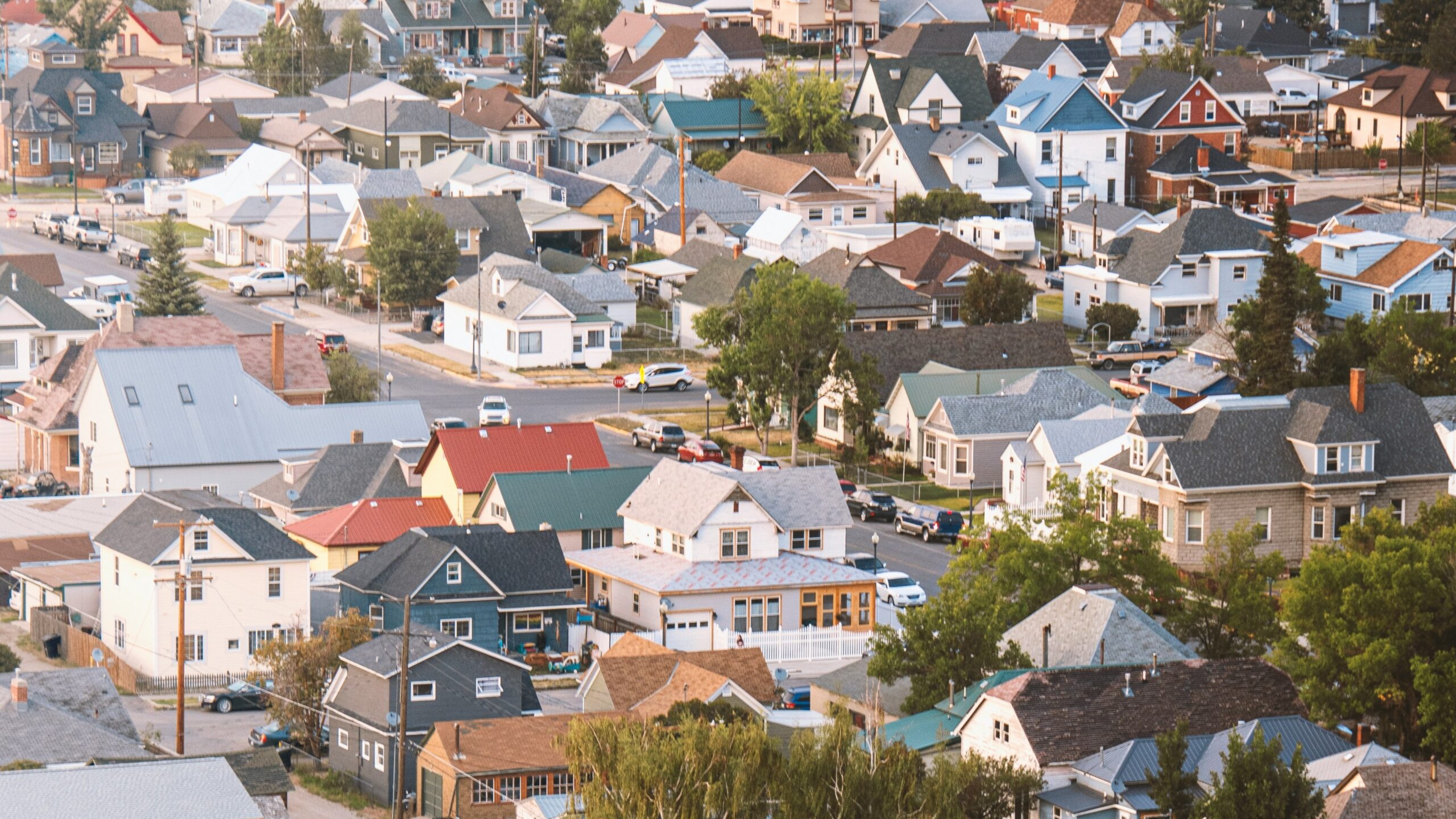
California entered the Newsom era with some of the nation’s highest housing costs and deepest poverty, and the gap between what homes cost and what residents earn has only widened. Rents and home prices have continued to outpace wages, while the state’s ambitious promises on affordability and homelessness have collided with local resistance, construction bottlenecks, and budget strain. The result is a crisis that has not only persisted under Governor Gavin Newsom, but in many respects has grown more acute for low and middle income Californians.
Ambitious promises colliding with stubborn housing realities
When Gavin Newsom took office, he framed housing as a defining test of California’s future, tying affordability to everything from economic mobility to climate goals. He pledged a dramatic expansion of homebuilding and a more aggressive state role in forcing cities to accept growth, positioning Sacramento as the counterweight to local obstruction. Yet the scale of the shortage, combined with entrenched zoning limits and high construction costs, has meant that the state’s lofty targets have remained far out of reach, even as the crisis has become more visible in rising rents and sprawling encampments.
Newsom’s early benchmark of 3.5 million new homes over roughly a decade has proved politically powerful but practically elusive, with production levels falling far short of that trajectory according to state housing data cited in multiple housing analyses. Even as the administration has pushed new laws to streamline approvals and penalize cities that block projects, the combination of local lawsuits, neighborhood opposition, and limited labor capacity has slowed the pace of construction. The gap between promise and delivery has sharpened scrutiny of whether the governor’s strategy is calibrated to the structural barriers that keep California’s housing supply so tight.
Production targets missed as costs and delays mount
The central problem is simple: California is not building enough homes fast enough, especially at prices that low and moderate income households can afford. State housing plans have repeatedly documented a shortfall of hundreds of thousands of units relative to regional needs, and recent cycles show that many jurisdictions are still failing to zone or permit at the levels required by their state approved housing elements. Even where zoning has been updated on paper, the pipeline from plan to actual construction remains clogged by financing gaps, environmental reviews, and local appeals that can drag on for years.
Several large cities have been flagged by state regulators for falling behind on their obligations, prompting enforcement letters and, in some cases, threats of legal action under California’s strengthened housing element law. Yet the number of completed units, particularly deed restricted affordable housing, has not kept pace with the scale of need documented in those same state reports. Developers and nonprofit builders point to rising material and labor costs, higher interest rates, and competition for limited tax credits as key reasons that many approved projects never break ground, a pattern that has persisted throughout Newsom’s tenure.
Homelessness rising despite record spending
Nowhere is the disconnect between investment and outcomes more visible than in California’s homelessness crisis, which has continued to grow even as the state has poured tens of billions of dollars into programs. Point in time counts compiled by federal and state agencies show that the number of people living without stable housing in California has increased over the past several years, with a particularly sharp rise in unsheltered homelessness. That trend has persisted despite high profile initiatives that converted motels into housing, expanded shelter capacity, and funded behavioral health services.
Newsom has championed programs such as Project Homekey and statewide encampment cleanups as evidence that the state is moving aggressively, and budget documents detail large allocations for local governments to expand supportive housing and outreach. Yet independent evaluations and local audits have found that many jurisdictions have struggled to turn one time grants into lasting capacity, and that new units often come online slowly and at high per door costs, as reflected in several statewide reviews. The persistence of tents along freeways and in downtown cores has fueled public frustration and raised questions about whether the administration’s approach is sufficiently focused on long term housing placements rather than short term shelter or cleanup efforts.
Local resistance and legal battles undercut state reforms
Even as the governor has signed a wave of pro housing legislation, from accessory dwelling unit expansions to density bonuses near transit, local resistance has blunted the impact of many of those reforms. Cities have used design standards, procedural delays, and litigation to slow or block projects that technically comply with state law, forcing the administration to rely on enforcement tools that are time consuming and politically fraught. The result is a patchwork in which some jurisdictions have embraced new housing rules while others test the limits of defiance, leaving overall production below what statewide mandates envisioned.
Legal disputes over the state’s authority have become a recurring feature of the housing landscape, with several cities challenging enforcement actions tied to the Housing Accountability Act and related statutes. Court filings and attorney general letters describe instances where local councils rejected compliant projects or refused to adopt adequate housing elements, prompting lawsuits that can take years to resolve. While Newsom has touted these confrontations as proof that the state is finally serious about housing, the drawn out nature of the fights has limited their immediate effect on affordability for residents who need relief now.
Affordability squeezed for renters and would-be buyers
For Californians who are not already securely housed, the practical impact of these structural failures is relentless financial pressure. Renters in major metros routinely spend well over 30 percent of their income on housing, a threshold that federal guidelines define as cost burdened, and state level data show that lower income households are especially likely to devote more than half their earnings to rent. At the same time, home prices in regions like the Bay Area and coastal Southern California remain out of reach for many middle class families, even as some inland markets have seen modest softening.
Analyses of census and state housing data have found that California has some of the highest rent burdens in the country, with a large share of tenants paying more than they can sustainably afford, as documented in multiple affordability studies. Mortgage affordability has also deteriorated as interest rates have risen, pushing monthly payments for a typical starter home beyond what many first time buyers can manage. These pressures have contributed to increased out migration to other states, particularly among younger households and families with children, a trend that has implications for the state’s long term economic base and tax revenues.
Policy course corrections and the limits of incremental change
Facing mounting criticism over results, the Newsom administration has adjusted its housing strategy, backing more aggressive enforcement of state laws and supporting ballot measures aimed at unlocking new funding streams. Recent legislative sessions have produced additional streamlining for infill projects, expanded by right approvals in some commercial corridors, and new tools for the state to intervene when cities fall out of compliance. The governor has also tied some homelessness and housing grants to performance metrics, signaling a shift toward outcomes based accountability rather than purely formula driven allocations.
Yet the underlying math of California’s housing shortage suggests that incremental policy shifts, even when meaningful on paper, may not be enough to reverse years of underbuilding and rising costs. Expert panels convened by state agencies and independent researchers have repeatedly concluded that the state must sustain high levels of production for many years to close the gap, particularly at the lower end of the market where subsidies are essential, as reflected in recent legislative analyses. As long as construction lags, homelessness rises, and rent burdens remain extreme, Californians will judge the administration not by the volume of new laws or press conferences, but by whether they can realistically afford a stable place to live.
More From TheDailyOverview
- Tennessee loses $2.6B megafactory and faces major layoffs
- Retired But Want To Work? Try These 18 Jobs for Seniors That Pay Weekly
- What to do with your pennies after the U.S. stops minting them
- Home Depot CEO warns of a troubling customer trend in stores

Elias Broderick specializes in residential and commercial real estate, with a focus on market cycles, property fundamentals, and investment strategy. His writing translates complex housing and development trends into clear insights for both new and experienced investors. At The Daily Overview, Elias explores how real estate fits into long-term wealth planning.