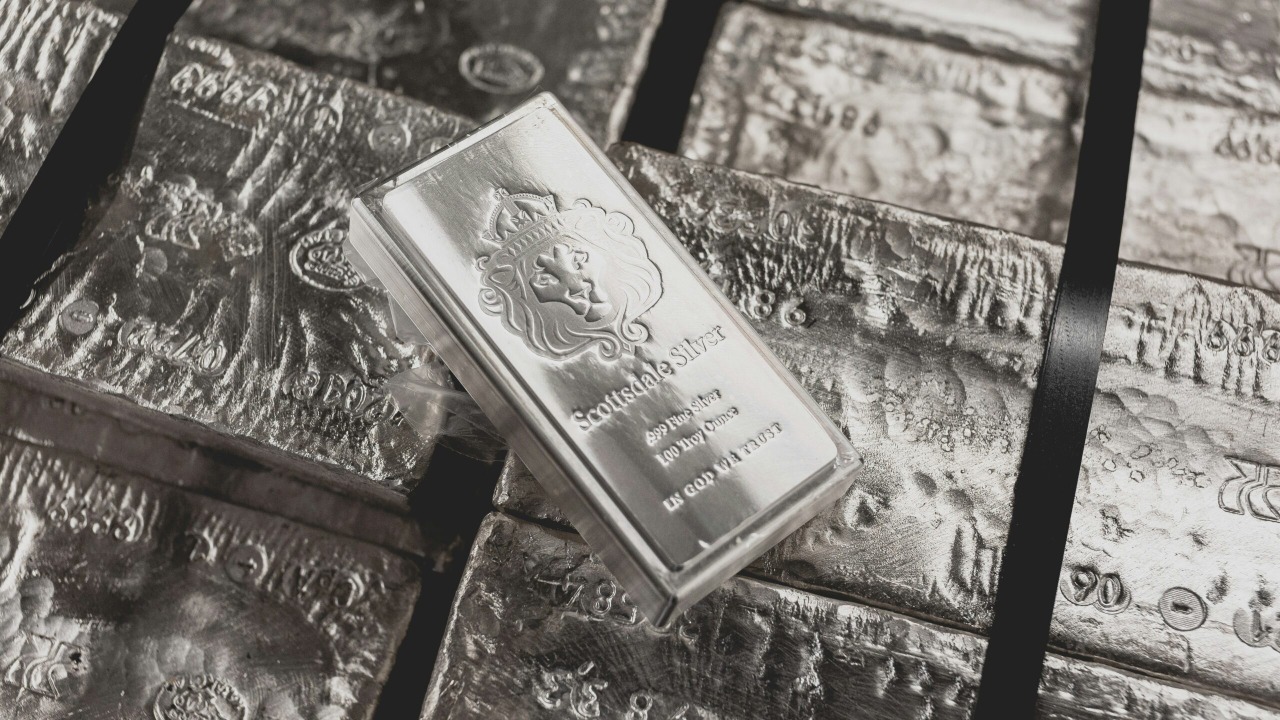
Silver’s spectacular boom and bust has taken another dark turn, with a China-linked trading scandal rattling already fragile confidence and dragging prices lower again. After a record run that pushed the metal into a classic blow‑off top, the market is now confronting allegations of outsized short bets and distorted pricing just as speculative froth is unwinding. The fear gripping traders is not only about the latest leg down, but whether the structure of the market itself is setting up a deeper crash.
I see three forces colliding at once: a physical squeeze that sent prices vertical, a policy and macro shift that yanked away support, and now a credibility shock centered on Chinese futures activity. Together they are turning the “Cinderella metal” into a live stress test of how modern commodity markets handle leverage, crowding and cross‑border risk.
The perfect storm that set silver up to fail
Before the current slide, silver’s rally was built on a powerful narrative of scarcity and industrial demand that encouraged investors to ignore how thin the market really was. Analysts had been warning that a combination of policy shifts, tight mine supply and booming solar and electronics demand had created what one study described as a “perfect storm” for Silver. That backdrop encouraged a wave of speculative buying that treated every dip as a buying opportunity and every warning as noise.
China’s role was central. Changes in how China managed imports, inventories and futures access helped funnel both domestic and offshore money into the trade, amplifying the squeeze. By the time prices broke free of their historical range, the market had become less about steady industrial hedging and more about a crowded bet on ever‑higher highs, with little attention paid to what would happen if that crowd tried to exit at once.
From $90 per ounce to “air pocket”
The turning point came when the physical market could no longer absorb the speculative surge. In mid‑January, silver prices surged above $90 per ounce, a level that signaled not just enthusiasm but a full‑blown squeeze. That move, described as a blow‑off, left “little technical support underneath,” meaning that once momentum stalled there were few historical price zones where buyers were likely to step in. The result was an “Air Pocket” in the Silver Price Recap, a gap between the euphoric top and any solid floor.
When the reversal hit, it was brutal. Analysts highlighted a Feb session marked by a “Heavy drop and large daily range” as margin calls triggered Forced selling. A separate breakdown of the “From Record High to Air Pocket” phase noted that the key Date featured a single‑day plunge that wiped out weeks of gains and turned the Market from one‑way trade into a two‑sided brawl.
China’s high‑stakes shorts and the fraud scare
Into that fragile backdrop came revelations that a Chinese trader had built one of the largest bearish positions in the market, turning what might have been a normal correction into a political and regulatory flashpoint. One account described how a “China Trader Who Made Billion on gold” shifted into “Gold Bets Big Against Silver,” a high‑stakes short that raised questions about whether a single player could move prices. The same discussion, labeled “China Trader Who Made Gold Bets Big,” underscored how concentrated risk had become in the hands of a few Chinese speculators.
Separately, a report on “Chinese Trader Makes $500M Bet Against Silver” detailed how Zhongcai Futures reportedly profited over $500 million by shorting silver, with figures also cited as $500 and $500 m. The story, framed as “Chinese Trader Makes Bet Against Silver,” fed a narrative that the crash was not just a natural correction but potentially the product of aggressive positioning that regulators may now scrutinize.
“Cinderella metal” loses its shine
Even before the scandal talk, the physical and futures markets were flashing stress. One detailed account, credited “By Polina Devitt,” described how the so‑called “Cinderella metal” suddenly “loses footing after surge to record high,” with Item references to Silver bars in display cases suddenly looking less like safe havens and more like volatile trading chips. The same reporting noted that the metal’s reputation for dramatic swings was “living up to that reputation,” a reminder that silver has a history of overshooting in both directions.
Another segment, introduced with the word Adding, described how waves of conspiracy theories about paper manipulation and shadow shorts “added fuel to the fire” during the most acute phase of the sell‑off. That narrative dovetailed with a separate “FAQ” on Silver Market Breakdown, which framed the main event as occurring “Between December 30, 2025, and January 1, 2026” and highlighted concerns about “potential paper market manipulation.” Together, these accounts show how quickly a technical correction can morph into a crisis of trust when traders suspect that the game is rigged.
Macro shock: Kevin Warsh, rates and the $7 trillion wipeout
While the China scandal grabs headlines, the macro backdrop has quietly turned hostile for precious metals. Analysts have pointed to the designation of Kevin Warsh as the next Federal Reserve Chairman as a key moment that reduced perceived political risk and undercut the case for hoarding bullion. A separate post titled “After the Crash” echoed that view, noting that the nomination of After the move toward Federal Reserve Chair helped trigger a reassessment that erased “months’ worth of speculative gains.” In other words, the policy tide that had lifted silver is now going out.
The damage is not confined to one metal. A separate analysis under the banner “Here’s Why Precious Metals Lost Trillion Market Value” reported that “Over Why Precious Metals $7 Trillion Market Value” as central bank buying slowed and investors rotated into higher‑yielding assets. That sector‑wide wipeout has made it harder for silver bulls to argue that the current slump is purely idiosyncratic or driven only by Chinese futures quirks.
ETFs, retail pain and the “broken” market debate
The fallout is hitting retail investors through listed products as well as futures. One report from TOI noted that silver exchange‑traded funds had tumbled “38% in 7 trading sessions,” a collapse that the same “Business Desk / TIMESOFINDIA.COM” piece linked to a perception that the market had become “unstable,” with the timestamp “Feb, 11:50 IST underscoring how quickly the rout unfolded. For small investors who bought into the squeeze narrative through ETFs, the speed of the drawdown has been a harsh lesson in liquidity risk.
Institutional voices are now openly questioning whether the silver market is functioning properly. A widely circulated analysis on price predictions argued that “Why Analysts Say the Market is Broken,” even as it conceded that “Not” everyone is convinced a further sell‑off is inevitable. The broader piece on Why JPMorgan warns of a slide back toward $50 highlighted structural deficits and solar demand on one side, and leveraged positioning on the other, as reasons the next big move might not favor the bulls.
Speculative frenzy, profit‑taking and UBS’s warning
Beyond China and ETFs, there is a simpler explanation for at least part of the slump: too many people chased the same trade. A wealth‑focused analysis noted that “Furthermore, prices fell as investors began taking profits in both gold and silver after their parabolic rise,” with the same piece stressing that the metals had hit “unprecedented highs just days earlier.” That pattern is classic bubble behavior: once early buyers lock in gains, latecomers are left holding the bag as momentum reverses.
Strategists at The UBS team added another layer, warning that a rising silver price itself can “reduce industrial demand for the metal,” complicating the outlook. Their point is that when prices spike, manufacturers in sectors like solar panels and electronics either delay purchases or seek substitutes, which in turn undermines the very demand story that justified the rally. That feedback loop helps explain why the correction has been so sharp, and why some see it as more than just a temporary breather.
More From The Daily Overview
*This article was researched with the help of AI, with human editors creating the final content.

Grant Mercer covers market dynamics, business trends, and the economic forces driving growth across industries. His analysis connects macro movements with real-world implications for investors, entrepreneurs, and professionals. Through his work at The Daily Overview, Grant helps readers understand how markets function and where opportunities may emerge.