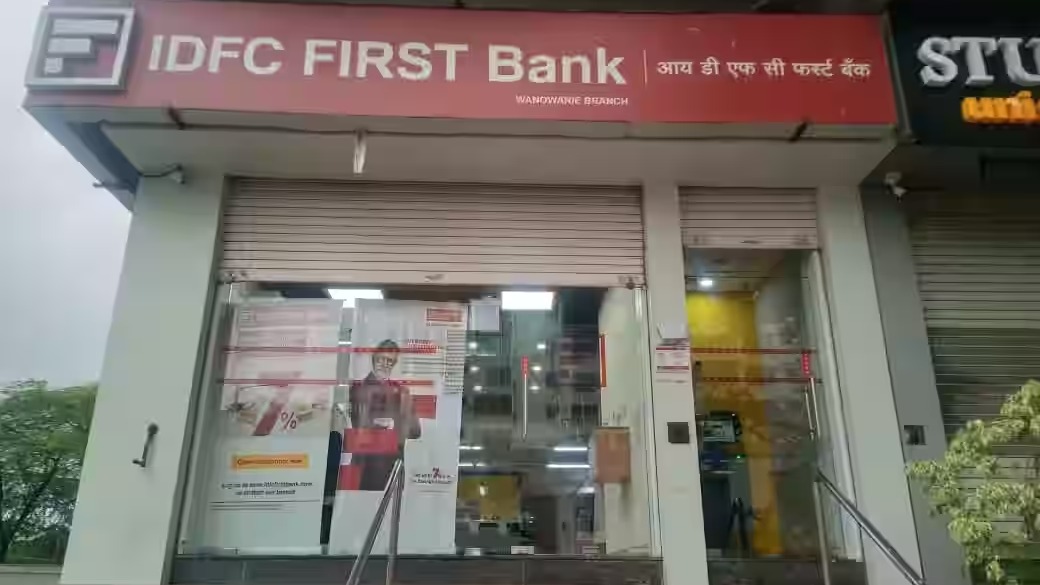
IDFC First Bank disclosed over the weekend that it is investigating a suspected $65 million fraud tied to accounts held by government entities, a revelation that triggered a sharp selloff in the lender’s shares and raised pointed questions about how private banks safeguard public funds in India.
The bank confirmed it had filed a police complaint in connection with the suspected irregularities. The case centers on discrepancies flagged by an Indian state government in accounts maintained at the bank, and the fallout has been swift: shares dropped 15% as markets opened, erasing significant value from the mid-cap lender’s market capitalization.
What the Bank Has Confirmed So Far
IDFC First Bank disclosed in a regulatory filing that it had identified suspected fraudulent activity totaling about $65 million in certain government entity accounts and had filed a police complaint, according to a report from Reuters. The filing, released over the weekend, provided limited detail on the mechanics of the alleged fraud but confirmed that an internal investigation is underway. The bank has not publicly named the specific government bodies whose accounts were affected, nor has it identified any suspects or described how the unauthorized transactions were carried out.
The absence of granular detail is itself notable. In Indian banking, suspected fraud disclosures to exchanges typically precede more detailed filings with the Reserve Bank of India (RBI). That the bank moved quickly to file a police complaint suggests the scale and nature of the irregularities were serious enough to warrant immediate law enforcement involvement rather than a purely internal review. Still, without a public statement from police authorities or the affected state government, the precise timeline of when the discrepancies first surfaced and how long they may have persisted remains unclear, leaving investors and depositors to infer risk from sparse official communication.
Market Reaction and the 15% Share Drop
Investors did not wait for answers. When trading resumed after the weekend disclosure, IDFC First Bank’s stock tumbled roughly 15% after an Indian state flagged gaps in certain government accounts. That kind of single-session decline for a listed bank signals more than routine concern. It reflects a repricing of trust, particularly because the fraud allegation involves government deposits rather than retail or corporate accounts. Government funds carry an implicit expectation of heightened oversight, and a breach of that expectation hits harder with institutional shareholders who weigh regulatory and reputational risk alongside financial exposure.
The selloff also puts pressure on the bank’s capital position and growth narrative at a sensitive moment. IDFC First Bank has spent years shifting from an infrastructure-focused lender toward a diversified retail and small-business franchise, emphasizing low-cost deposits and digital services. Management has worked to attract balances from a broad base of customers, including public sector entities that can anchor liquidity. A fraud of this size, even if the bank ultimately recovers a substantial portion of the funds, could complicate those deposit-gathering efforts if government treasuries and municipal bodies begin redirecting balances to perceived safer alternatives at state-owned banks or to private peers seen as stronger on controls. In the near term, the market will be watching whether the share price decline stabilizes or feeds into higher funding costs as wholesale lenders and bond investors reassess risk premia for the bank.
Why Government Account Fraud Hits Differently
Fraud in government accounts is not the same as fraud in private corporate accounts, and the distinction matters for how regulators and politicians are likely to respond. Public money held in private banks is subject to oversight from both the central bank and the relevant state or federal treasury. When discrepancies emerge, the political dimension can escalate quickly: elected officials face constituent pressure to explain why taxpayer funds were placed with a private institution and what safeguards failed. That political scrutiny can translate into legislative hearings, audit directives, and calls for accountability that go beyond the typical supervisory process applied to bank fraud cases.
India has been encouraging state governments and public sector entities to diversify their banking relationships beyond the traditional dominance of State Bank of India and other government-owned lenders. That push has benefited private banks like IDFC First Bank, which have offered competitive rates, faster turnaround times, and modern digital infrastructure. But the trade-off has always been the question of whether private banks can match the implicit government guarantee that comes with parking funds at a state-owned institution. This case, depending on how it unfolds, could slow the migration of government deposits into the private banking system, or at minimum lead to tighter conditions and more frequent audits for private banks that hold public funds. State treasuries may respond by revisiting their empanelment criteria, adding stricter thresholds for capital adequacy, internal control ratings, and prior fraud history before allocating large balances to private lenders.
Regulatory and Institutional Gaps Under Scrutiny
The fact that the suspected fraud was flagged by the state government rather than detected by the bank’s own internal controls is a significant detail. Banks are expected to maintain transaction monitoring systems that catch unusual patterns, especially in high-value accounts with recurring bulk transfers. If the irregularities were large enough to total $65 million and were first identified externally, that raises direct questions about whether IDFC First Bank’s fraud detection infrastructure was adequate for the type of accounts it was servicing. It also prompts scrutiny of how account reconciliations were performed and whether exception reports were escalated promptly within the institution.
India’s banking regulator, the RBI, has been tightening expectations around fraud reporting and internal audit standards in recent years, issuing circulars that require banks to report suspected fraud above specified thresholds within defined timeframes and to classify and provision for such incidents in a standardized manner. How IDFC First Bank’s reporting timeline aligns with those requirements will likely become a point of regulatory focus. If the bank knew of the discrepancies before the state government raised them publicly, the question of reporting delays could compound the reputational damage. There is also a broader structural issue at play: government accounts at private banks often involve complex fund flows tied to disbursement schedules, subsidy payments, and project financing. These accounts can have multiple authorized signatories and layered approval processes, which can create opportunities for manipulation if internal controls are not calibrated to the specific risk profile. The emerging contours of this case echo longstanding concerns from auditors and consultants that governance frameworks for public-sector deposits in private banks lag the sophistication of the underlying financial flows.
What Comes Next for IDFC First Bank
The immediate priority for the bank is cooperating with the police investigation and completing its own internal review. The outcome of both processes will determine whether the $65 million represents a recoverable loss, a partial impairment, or a near-total write-off. If the fraud involved collusion by bank employees or failures in supervisory oversight, the institution could face additional regulatory action, including monetary penalties, directives to strengthen internal controls, or restrictions on handling certain categories of government accounts. The bank will also need to determine how quickly it can quantify any financial hit and communicate that clearly to markets, either through a special disclosure or as part of its next quarterly results.
Beyond the immediate investigation, IDFC First Bank faces the longer task of rebuilding confidence with both government clients and capital markets. That likely means overhauling its monitoring of large public-sector accounts, commissioning independent audits of its control environment, and demonstrating that lessons have been internalized through concrete changes rather than broad assurances. Investors will look for signals such as board-level oversight of the remediation plan, enhanced risk disclosures, and conservative provisioning policies that acknowledge potential downside scenarios. For policymakers, the episode may serve as a catalyst to revisit how public funds are distributed across private and state-owned banks and to tighten the framework governing those relationships. How decisively IDFC First Bank moves in the coming weeks, and how transparently it communicates progress, will shape whether this incident becomes a contained setback or a lasting drag on the lender’s ambitions in India’s competitive banking landscape.
More From The Daily Overview
*This article was researched with the help of AI, with human editors creating the final content.

Grant Mercer covers market dynamics, business trends, and the economic forces driving growth across industries. His analysis connects macro movements with real-world implications for investors, entrepreneurs, and professionals. Through his work at The Daily Overview, Grant helps readers understand how markets function and where opportunities may emerge.