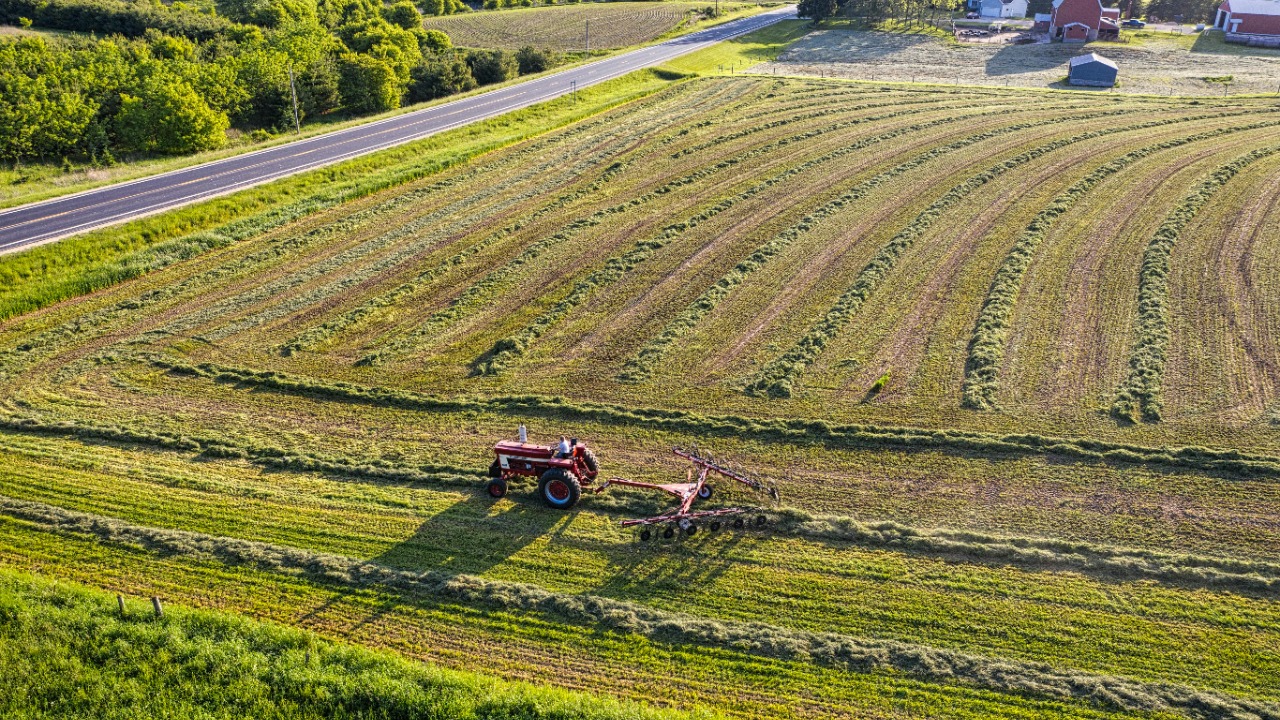
On a patch of farmland in the American heartland, a quiet standoff is unfolding between a family that measures wealth in acres and seasons, and an artificial intelligence giant that counts it in billions. The farmer at the center of it has become a reluctant symbol of a broader revolt against the idea that any community can be priced into submission. His message is simple enough to fit on a cardboard sign: the checks are getting bigger, but the life he has built is not for sale.
His refusal lands at a moment when data centers, the concrete backbone of AI, are spreading across rural America faster than most residents can track. From Central Washington to small towns in the Midwest and the Deep South, the same question keeps surfacing in kitchen-table conversations and tense public meetings: how much money is enough to trade away land, water, and a way of life that does not come with a stock ticker?
The farmer who said no
The farmer at the center of this story is not a professional activist, he is a landowner who has spent years watching the sunrise over the same fields and counting his days in harvests rather than quarterly earnings. When representatives for one of the world’s largest artificial intelligence companies came calling, he listened politely, then told them that no offer could replace the life his family had built. In a video that has ricocheted across social media, he looks straight into the camera and says that money cannot buy happiness, a line that has turned a local dispute into a national shorthand for resistance to AI expansion.
His stance echoes a viral clip in which a small-town landowner, approached about selling for a new data facility, insists that “money can’t buy happiness” while neighbors nod along in the background. That sentiment is amplified in an One of the clips circulating online, where the farmer’s words are framed as a direct answer to an AI company’s push for another data center. In the comment threads that followed, users like Richard Cortez, who calls himself “The Cancer Of Landowners,” and Neji Taicho, who jokes about the farmer hesitating as he spoke, turned a local zoning fight into a referendum on what progress should look like. Their reactions, preserved on a Facebook post, show how quickly a single refusal can resonate far beyond one fence line.
Greenleaf’s line in the sand
The farmer’s story is not an isolated act of defiance, it fits into a pattern that has become impossible to ignore in places like Greenleaf, where residents were approached about selling their properties for a possible AI data center. People there describe a steady drumbeat of offers, each one promising that a payout could smooth over any doubts about noise, traffic, or the transformation of farmland into server racks. Instead of quietly signing, landowners compared notes and realized they shared the same unease about trading their homes for a project they did not control.
By the time the company behind the proposal held a public meeting, the mood in Greenleaf had hardened. Everyone made it clear on a Monday evening that no amount of money would change their mind about selling, and one resident put it bluntly, saying, “I’m not going to take money and be unhappy.” That unified front helped push the company to halt the project, a decision reported after the backlash had grown too loud to ignore. The episode, captured in local coverage that noted how Everyone in the room seemed to share the same bottom line, has become a case study in how small towns can still say no to global technology plans.
Rural America as AI’s new frontier
Behind these clashes is a broader shift in where the digital economy plants its physical roots. AI companies need vast tracts of land, cheap power, and access to water, which makes rural counties attractive targets for data center construction. In one audio report on technology trends, a series called Tech News Briefing describes how Rural communities are being pitched on the idea that server farms can be their ticket to an economic revival, with new tax revenue and construction jobs arriving in places long bypassed by other industries. The sales pitch is polished, but it often glosses over the tradeoffs that will linger long after the ribbon cuttings.
David Uber, a WSJ reporter who has spent time in towns that have already become hubs for these facilities, has described how some places embraced the transformation only to discover that the promised prosperity was uneven. In a recent interview, he discussed his piece “What Happened When Small, Town America Became Data Center, U.S.A.” and explained how AI infrastructure can reshape local economies without necessarily delivering the kind of stable, long term employment residents expected. His comments, shared in a conversation that also touched on national energy debates, highlight how Uberti sees a gap between the glossy renderings shown at town halls and the quieter reality of automated facilities that can run with relatively few workers.
When tech money meets farm country
For farmers, the arrival of an AI company is not just a question of price per acre, it is a test of whether their land will remain a place where food is grown or become a node in a global computing network. In Richland Parish Louisiana, for example, Meta has committed to a new ten billion dollar data center that will be the largest facility the company has built. A video shot on site shows the scale of the project, with heavy equipment carving up fields that once supported crops, and local farmers weighing what that shift will mean for their own operations. The clip, shared widely on Meta platforms, captures both pride in attracting such a large investment and anxiety about what happens when a single corporate tenant dominates the landscape.
Those tensions are not limited to the South. In Central Washington, a small town has become a test case for how a major technology company can respond to mounting criticism of data centers. Microsoft has turned to that community as part of its answer to growing backlash, promising not just new buildings but also workforce training and other commitments meant to show that AI infrastructure can coexist with local priorities. Reporting from the region describes how a small town in is being held up as a model, even as residents and observers debate whether the promised training programs and infrastructure upgrades will be enough to offset concerns about energy use and land loss. The contrast between that approach and the blunt offers made to farmers in places like Greenleaf shows how uneven the tech industry’s outreach can be.
The backlash that will not go away
What ties these stories together is a growing sense that data centers are being built faster than the public conversation about their costs can keep up. Across the United States, grassroots opposition has taken shape in town halls, county commission meetings, and online forums where residents trade information about water permits and tax abatements. Critics worry that the facilities will drive up energy bills, strain local grids, deplete water sources, and hollow out communities that are already fragile. One detailed account of this resistance notes that the backlash is fueled not only by environmental fears but also by the perception that AI systems are designed to eliminate many jobs, leaving locals to host the infrastructure for technologies that may eventually replace their own work. That dynamic is captured in reporting on how grassroots opposition has struggled to gain political traction even as it spreads.
More From The Daily Overview

Silas Redman writes about the structure of modern banking, financial regulations, and the rules that govern money movement. His work examines how institutions, policies, and compliance frameworks affect individuals and businesses alike. At The Daily Overview, Silas aims to help readers better understand the systems operating behind everyday financial decisions.

