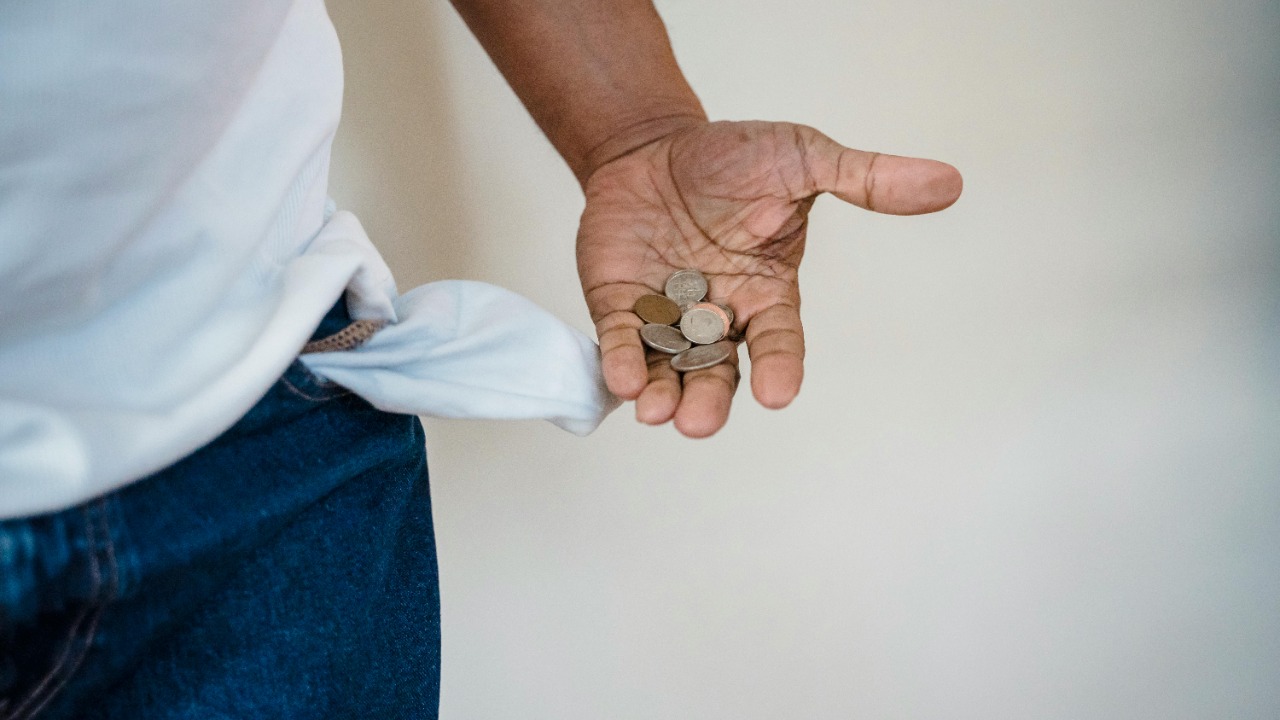
On November 13, 2025, the US Mint pressed the final pennies, ending over 230 years of production. This historic decision marks the conclusion of a coin that has been a staple in American currency since 1793. With the cessation of minting, Americans are now faced with decisions on how to handle their collections of pennies, which range from household jars to extensive collections nationwide. As these coins become obsolete, finding practical and creative uses for them is more relevant than ever.
Understanding the End of Penny Production
The decision to end penny production was not made lightly. The US Mint and Treasury Department concluded this era on November 13, 2025, after more than two centuries of minting. This move was anticipated following early confirmations in June 2025, which addressed the future of the penny and its implications for everyday coin jars. The discussions highlighted the economic inefficiencies of continuing to produce a coin that costs more to make than its face value. Experts have weighed in on the shift, noting that while the penny has historical significance, its practical use has diminished over time. The decision reflects a broader trend towards streamlining currency production and addressing economic realities.
Reports from June 2025 confirmed the discontinuation, with experts analyzing the potential impacts of this change. The penny’s end signifies a shift in how Americans will handle small transactions and manage their coin collections. While some lament the loss of a cultural icon, others see it as a necessary step towards modernizing the currency system. The penny’s discontinuation is expected to have minimal impact on the economy, as digital transactions continue to rise, reducing the need for physical coins.
Assessing the Current Value of Your Pennies
Despite the end of production, existing pennies will retain their face value and remain legal tender. This means that individuals can continue to use them for transactions, although their practical use may decline over time. The potential for pennies to become collectibles is significant, especially as the final pennies pressed by the US Mint could increase in worth. Collectors may find value in holding onto these coins, particularly those in pristine condition or with historical significance.
The rarity of certain pennies could also enhance their value. As production ceases, specific years or mint marks may become more sought after by collectors. This rarity factor, combined with the historical context of the penny’s end, could drive interest and value in the numismatic market. For those holding onto large quantities of pennies, assessing their potential worth as collectibles could be a worthwhile endeavor.
Practical Ways to Spend or Exchange Pennies
For those looking to offload their penny collections, depositing them at banks remains a viable option. Many financial institutions will accept pennies for deposit, allowing individuals to convert their coins into more usable currency. Retail redemption is another practical approach, as some stores may still accept pennies for small transactions. This can be a convenient way to gradually reduce the number of pennies in circulation.
Additionally, vending machines and charity donation boxes offer opportunities to use pennies constructively. These outlets provide a way to spend pennies while supporting charitable causes or purchasing small items. As the penny becomes less common, finding creative ways to use them can help ease the transition away from this longstanding coin.
Creative and Long-Term Storage Options
For those interested in preserving pennies for their numismatic value, saving them for future interest is a compelling option. The historical significance of the penny, coupled with its discontinuation, could make it an attractive item for collectors in the years to come. Home organization methods, such as sorting and storing pennies in coin albums or jars, can help maintain their condition and value.
Gifting pennies or using them as heirlooms can also be a meaningful way to preserve their legacy. Passing down collections to future generations can keep the history of the penny alive, while also potentially providing a financial benefit if their value increases. These creative approaches offer ways to honor the penny’s place in American history while adapting to its absence in everyday transactions.
Environmental and Recycling Alternatives
While melting pennies for their metal content is restricted by law, there are eco-friendly alternatives for recycling them. Donation programs that accept coins can provide a sustainable way to repurpose pennies, supporting charitable causes while reducing waste. These programs often convert the coins into funds for various initiatives, making them a responsible choice for those looking to dispose of their pennies.
Craft projects offer another avenue for repurposing pennies creatively. From art installations to home decor, using pennies in crafts can transform them into unique and sustainable pieces. As the final pennies are pressed, finding innovative ways to recycle and repurpose them can contribute to environmental efforts and preserve their legacy in new forms.
More From TheDailyOverview
- Dave Ramsey warns to stop 401(k) contributions
- 11 night jobs you can do from home (not exciting but steady)
- Small U.S. cities ready to boom next
- 19 things boomers should never sell no matter what

Cole Whitaker focuses on the fundamentals of money management, helping readers make smarter decisions around income, spending, saving, and long-term financial stability. His writing emphasizes clarity, discipline, and practical systems that work in real life. At The Daily Overview, Cole breaks down personal finance topics into straightforward guidance readers can apply immediately.