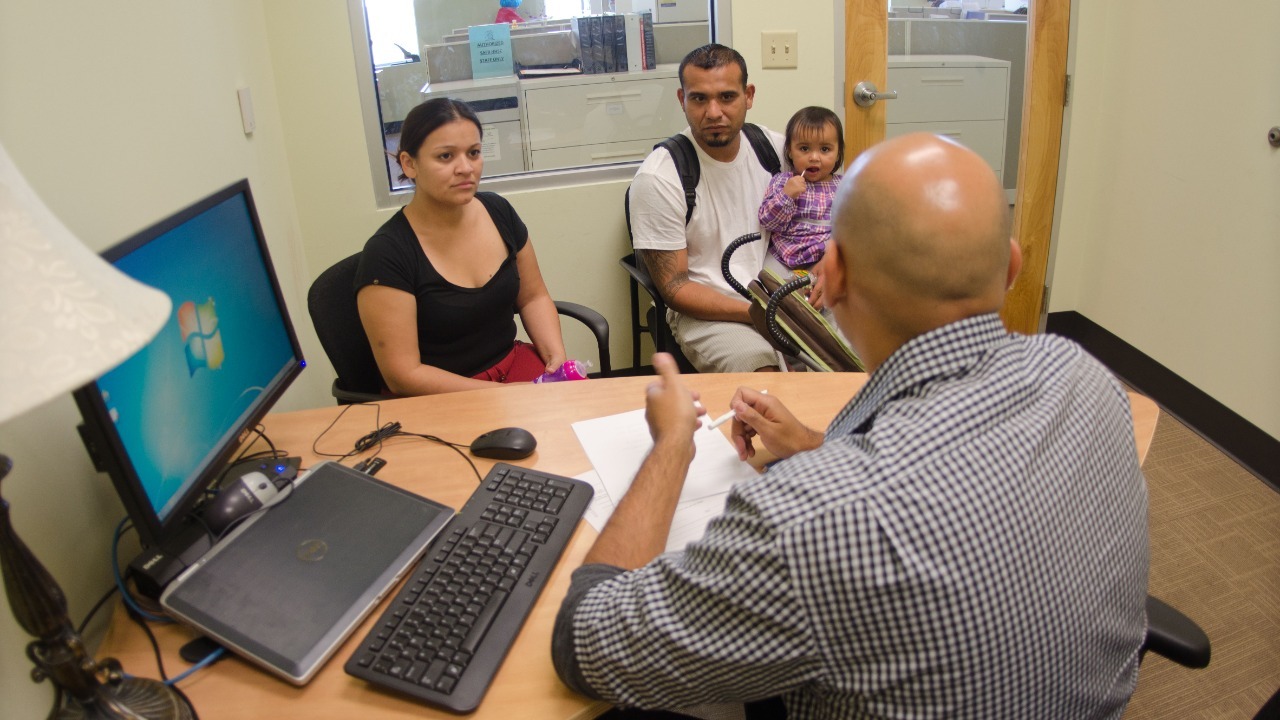
New federal work rules for food assistance are reshaping who gets help and who is left staring at an empty fridge. Child-free adults who cannot meet the new hourly thresholds describe feeling “devastated” as they brace for cuts that can erase most of their grocery budget. The policy is pitched as a push toward self sufficiency, but the lived reality for many low income adults is far more complicated.
At the center of the debate is whether it is fair to tie basic nutrition so tightly to work hours in an economy defined by unstable schedules, caregiving in the shadows, and chronic health issues that do not always show up on a disability form. I see a clash between a political promise of personal responsibility and the evidence that stricter rules often remove food, not barriers to employment.
What the new rules actually do
The Supplemental Nutrition Assistance Program, or Supplemental Nutrition Assistance, has long required some adults to work in order to keep benefits, but the latest changes expand who is on the hook. Under federal law, Able Bodied Adults Without Dependents, often shortened to ABAWD, can now only receive SNAP for a limited period unless they meet monthly work or training minimums. Guidance for Washington state, for example, explains that Able Bodied Adults Without Dependents must document hours and that local agencies are required to verify compliance.
The One Big Beautiful Bill, often shortened to The OBBB, tightened several exemptions that previously shielded parents and caregivers. Federal guidance on SNAP explains that the law introduced Changes to the Exception for Children in the Household, limiting when a parent or other household member with a child can be excused from work rules. From November, according to the Department of Agriculture, all states had to fully implement the new standards, with the From November 1 shift ending many waivers that previously gave greater flexibility.
Who is most at risk of losing food aid
The sharpest edge of the policy falls on adults who are both child free and not officially disabled. Earlier this year, coverage of the new able bodied rules highlighted people like Scott, a single man whose entire grocery budget depends on His SNAP benefits. For Scott, the new requirements feel like a door slamming shut, since For Scott, His SNAP benefits of $292 a month cover most of his food. When a rulebook suddenly demands 20 hours a week of work in a labor market that may not offer those hours, the risk is not abstract, it is hunger.
Federal estimates suggest that the impact will be widespread. According to August 2025 projections from the Congressional Budget Office, about According to the Congressional Budget Office, 1.1 m people will lose SNAP benefits between 2025 and 2034 as the stricter rules phase in, including older adults and parents of children aged 14 and older. Reporting on how the rules are rolling out across states notes that Work requirements are kicking in for more older adults and parents of teenagers, with one explainer, By GEOFF MULVIHILL, warning that some regions with weak job markets will still be subject to the new standards.
How the One Big Beautiful Bill reshaped SNAP
The One Big Beautiful Bill did more than tweak a few definitions, it rewired the basic architecture of SNAP eligibility. A detailed breakdown of the law notes that Update In general, all changes were implemented around November 1st 2025, and that SNAP Work Requirements Will Apply to More People as temporary pandemic era flexibilities automatically ended on November 2nd. A separate advisory to participants on social media spelled out that Trump’s budget bill, known as HR 1, expanded the age range for work rules and asked, with some disbelief, “80 hours a month? Wow,” while noting that the law included tax cuts for the wealthiest Americans.
Legal aid groups have been scrambling to explain the new landscape to clients. One guide titled “Do changes to work requirements for SNAP benefits affect me?” stresses that Due to changes in federal law following the One Big Beautiful Bil, more people must now document work hours, seek exemptions, or risk time limited benefits. Another resource aimed at New Yorkers reiterates that SNAP recipients need to understand new screening questions about health conditions, caregiving, and barriers to work in order to avoid being wrongly cut off.
The fairness debate: work, evidence and ideology
Supporters of stricter rules argue that tying benefits to employment is both fair and effective. A conservative policy analysis claims that Work requirements have a proven track record of success, describing them as an effective tool for aiding food stamp enrollees into higher incomes, better employment opportunities, and taxpayer savings. On television, FOX Business host Charles Payne argued that SNAP has grown under the guise of compassion and framed the Trump backed law as a necessary correction that restores expectations for adults between 18 and 64 to work if they can.
Yet a growing body of research challenges the idea that these rules actually deliver on their promises. One analysis of SNAP’s Harsh Work Requirement Takes Food Assistance Away, Does Not Improve Employment Outcomes concludes that Under current rules, tightening conditions mostly reduces participation without clear gains in job rates, a finding summarized in a report on SNAP. Another commentary on congressional debates bluntly asks, Are lawmakers forming policy through evidence based decisions or through ideological preconceptions, pointing out that work requirements in SNAP and Medicaid have not significantly improved employment outcomes or long term earnings.
Life on the ground: unstable work and hidden caregiving
When I look at who actually receives SNAP, the fairness question becomes less theoretical. Advocacy groups point out that The Reality of Work in SNAP Households is that 85% of families receiving benefits had at least one person working in the past 12 months, according to Reality of Work in SNAP Households. Many of those jobs are in sectors like retail and food service, where hours fluctuate week to week and hitting a fixed monthly threshold can depend on a manager’s scheduling software rather than a worker’s willingness.
Legal advocates also warn that the new rules do a poor job of capturing unpaid caregiving and invisible disabilities. Federal guidance on Exception for Children in the Household narrows which parents can be exempt, while a consumer facing explainer on What the new work requirements are under the One Big Beautiful Bill notes that able bodied adults without dependents must now prove they are working, in training, or responsible for dependents under 14. For people caring for aging parents, or for those with chronic conditions that do not meet strict disability criteria, the paperwork can miss the reality of their days.
More From The Daily Overview
*This article was researched with the help of AI, with human editors creating the final content.

Cole Whitaker focuses on the fundamentals of money management, helping readers make smarter decisions around income, spending, saving, and long-term financial stability. His writing emphasizes clarity, discipline, and practical systems that work in real life. At The Daily Overview, Cole breaks down personal finance topics into straightforward guidance readers can apply immediately.

