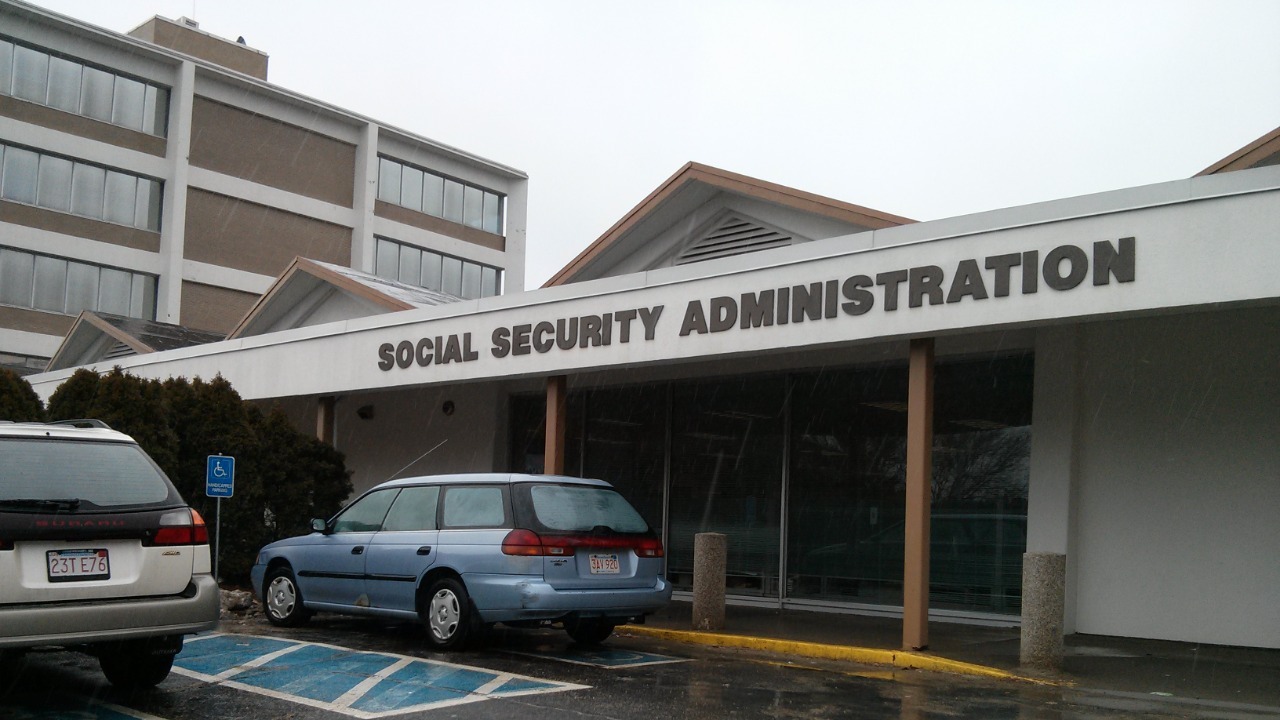
Social Security is on the cusp of one of its most consequential overhauls in years, with agency leaders outlining a 2026 agenda that reshapes how benefits are calculated, delivered, and accessed. The changes range from a modest but meaningful boost in monthly checks to a push toward digital services that could permanently alter the relationship between beneficiaries and the federal government.
As the Social Security Administration moves to modernize, the stakes are especially high for retirees, disabled workers, and Boomers who are already seeing more aggressive targeting by scammers and financial pressures from inflation. I am looking at what the agency’s own announcements, outside experts, and key lawmakers reveal about this next phase, and how those “historic” shifts will hit household budgets and daily routines in 2026.
COLA and the ‘historic’ 2.8% raise in 2026
The centerpiece of the 2026 overhaul is a confirmed 2.8% Cost of Living Adjustment that will lift monthly payments for tens of millions of beneficiaries. The Social Security Administration has framed this increase as part of its core mission to help people keep up with rising prices, and the agency’s own communications describe the 2026 Cost of Living Adjustment as a tool to offset the higher cost of essentials. For retirees who rely heavily on their checks, that percentage is not abstract, it is the difference between absorbing another year of inflation or falling further behind.
For Social Security Disability Insurance recipients, the same 2.8% figure is already locked in, with legal analysts describing it as a “confirmed 2.8% increase” that is meant to track inflation for the new year. One breakdown of The Expected Social Security Disability Changes for 2026 underscores that this COLA is part of a normal adjustment process, not a one-off bonus, but the size of the bump still stands out in a period of stubborn price pressures. Financial commentators have echoed that point, noting in their own Key Points Social Security analysis that the 2.8% figure is central to how retirees should plan for 2026, since it will ripple through benefit formulas, tax thresholds, and income strategies.
How much more money will actually hit your bank account
A percentage increase only becomes real when it shows up as dollars in a bank account, and the 2.8% COLA translates into a tangible bump for the typical retiree. One detailed estimate projects that Americans will see a Social Security benefits increase of about $56 per month starting in January, with the average check rising by roughly that amount. For many households, that $56 is what covers a week of groceries, a utility bill, or a copay on a necessary prescription, and it is arriving automatically as part of the 2026 adjustment.
Disability advocates have highlighted the same math, pointing out that the 2.8% COLA equates to about $56 more per month for a typical Social Security Disability Insurance beneficiary as well. Analysts who track retirement income have stressed that while $56 per month will not transform anyone’s finances, it can meaningfully reduce the need to draw down savings or take on debt, especially for Americans whose only inflation protection is the annual Social Security adjustment. That is why coverage of how much Social Security checks will rise in 2026 has focused so heavily on that $56 figure, treating it as the practical expression of the 2.8% headline.
Payment timing, December shifts, and the January 2026 reset
The 2026 COLA will not just change how much beneficiaries receive, it will also affect when some people see the higher amount. Because of the way federal holiday rules and the calendar line up, Social Security checks will shift in December, with some payments arriving earlier than usual before the new year. Reporting on how checks will change in December notes that the shift is primarily driven by the 2026 Cost of Living Adjustment, federal holiday rules, and the unique schedule that governs when different groups of beneficiaries are paid.
Crucially, the 2.8% COLA increase will not show up in those early December checks, but instead will be reflected in January 2026 payments, which is when beneficiaries will first see the higher amounts. That timing matters for budgeting, because retirees who see an extra deposit in late December might mistakenly assume it already includes the COLA, when in fact it is just an early payment under the old rate. The guidance around the COLA and the December schedule is clear that the real reset happens in January, which is when the 2.8% increase becomes part of every monthly benefit going forward.
Digital-first SSA: my Social Security, fewer field offices, more friction
Alongside the benefit increase, the Social Security Administration is pushing a digital transformation that could be just as consequential as the COLA itself. The agency has been steering people toward its online portal, encouraging beneficiaries to create a my Social Security account to manage benefits, view statements, and handle routine tasks that once required a trip to a field office. For tech-comfortable retirees and workers, that shift can mean faster service and fewer lines, but it also assumes reliable internet access and a level of digital literacy that not everyone has.
That tension is already drawing political scrutiny. Senator Elizabeth Warren has publicly warned that the Social Security Administration’s efforts to reduce field office visits and move more services online could leave vulnerable people behind, especially those who struggle with technology or lack broadband. Her concern centers on the agency’s push to let people verify their identity and even access their Social Security number digitally, a change that may be efficient but also raises questions about security and accessibility. As the SSA leans harder into digital tools in 2026, the debate over how far and how fast to move away from in-person service is likely to intensify.
Leadership shifts and what they mean for disability and claims processing
Any “historic” change at Social Security is ultimately carried out by people, and the agency is heading into 2026 amid notable leadership transitions. Legal experts who track disability benefits have flagged that upcoming leadership changes at the SSA signal a period of transition that could bring both opportunities and risks for claimants. One analysis of how upcoming leadership changes at the SSA might impact disability claims notes that new priorities at the top can reshape everything from processing times to how strictly evidence is evaluated.
For people pursuing Social Security Disability Insurance or Supplemental Security Income, those shifts are not abstract. The same legal commentary points out that leadership changes at the Social Security Administration can affect staffing levels, training, and the use of technology, all of which influence how quickly and fairly claims are decided. If the new leadership team leans into automation and digital tools, that could speed up some decisions but also create new hurdles for applicants who need help navigating the system. As 2026 approaches, disability advocates are watching closely to see whether the SSA’s modernization push is matched by investments in human support for those who need it most.
Tax thresholds, work rules, and the 12.4 percent payroll bite
Beyond benefit amounts, 2026 will bring important changes to how Social Security interacts with work and taxes. The program is primarily funded by a 12.4 percent tax on most workers’ earnings, a combined rate that is split between employees and employers but still represents a significant bite out of paychecks. Coverage of Paying Social Security taxes in 2026 underscores that while the 12.4 percent rate itself is not changing, the amount of income subject to that tax is expected to rise, pulling more earnings into the system as wages grow.
At the same time, work-related thresholds that determine how much income beneficiaries can earn before their checks are reduced are also shifting. Analysts who have laid out 5 big Social Security changes for 2026 note that specific earnings limits will move higher, affecting seniors who work part time and self-employed people with limited profits. Another breakdown of Social Security 2026 benefit amounts emphasizes that Medicare premiums and tax withholding choices will also shape what actually lands in a retiree’s bank account. For anyone planning to work in retirement, the combination of a 2.8% COLA and new thresholds means 2026 will require a fresh look at how wages and benefits interact.
Retirement timing, full retirement age shifts, and surprise rule tweaks
The 2026 changes are not limited to checks and taxes, they also touch the rules that govern when and how people claim benefits. Analysts who have highlighted Key Points about Social Security in 2026 point to three big shifts that might surprise retirees, including the 2.8% COLA, adjustments to the earnings test, and changes that affect those who claim before or after full retirement age. One of the most consequential details is how much income beneficiaries can earn before facing benefit reductions, with one threshold tied to income that exceeds $65,160, a figure that can catch working retirees off guard if they are not tracking it closely.
Other coverage of the biggest changes to Social Security coming in 2026 points to a potentially more generous COLA adjustment, an increase to full retirement age for some cohorts, and an end to paper checks as the agency completes its shift to electronic payments. For Boomers who are still deciding when to file, these rule tweaks can change the calculus, making it more attractive for some to delay and for others to claim earlier depending on health, work plans, and family needs. The common thread is that 2026 will reward those who understand the new landscape and penalize those who assume the rules are the same as they were a decade ago.
Security risks, scams, and the Boomer bullseye
As Social Security moves more services online and encourages digital access, security risks are rising in parallel, and older Americans are increasingly in the crosshairs. A senior Social Security official has already warned that they are seeing a steady increase in attempts on the Boomers, the generation born between 1946 and 1964, as scammers exploit confusion around benefit changes and digital tools. In a recent update on plans for major changes, that Social Security Chief described how fraudsters are using phone calls, emails, and fake websites to trick people into sharing personal information or paying bogus fees tied to their benefits.
The shift toward digital identity verification and online access to Social Security numbers, which the agency is promoting as part of its modernization push, only heightens those concerns. Senator Elizabeth Warren’s warning about the Social Security Administration’s digital strategy is rooted in the fear that older beneficiaries will be pressured into risky online behavior or left unprotected if they do not understand the new systems. Consumer advocates are urging Boomers to treat any unsolicited contact about their benefits with skepticism and to rely on official channels, including the my Social Security portal, rather than clicking on links in emails or texts. In a year when rules, amounts, and access methods are all changing at once, the risk of confusion-driven fraud is as “historic” as the reforms themselves.
Why 2026 looks like a turning point for Social Security’s future
Behind the specific numbers and rule tweaks, 2026 is shaping up as a test of how Social Security can adapt to demographic and fiscal pressures without breaking its promise to current and future beneficiaries. Analysts who study the program’s long term health have warned that changes to the rules that dictate the sustainability and operation of Social Security are inevitable, given the strain of an aging population and the projected shortfall in its trust funds. A widely cited Get What Yours Summary Changes analysis notes that the system’s fiscal soundness may necessitate further adjustments beyond the 2026 package, including potential shifts in benefits, taxes, or eligibility down the line.
At the same time, public facing explainers are trying to prepare people for the near term reality that 2026 will bring “really important Social Security changes,” from the COLA to new work rules and the end of paper checks. One widely viewed Social Security briefing video frames 2026 as a year when beneficiaries need to be especially proactive, checking their statements, understanding how the 2.8% COLA interacts with their other income, and adjusting their plans accordingly. The Social Security Administration itself has underscored that message in its official communications, including a Baltimore announcement that described the 2.8 percent benefit increase for 2026 as part of how The Social Security Administration, or SSA, delivers on its mission. Taken together, those signals suggest that the “historic” label is not just rhetoric, it reflects a genuine turning point in how the program works and how Americans will experience it in the years ahead.
More From TheDailyOverview
- Tennessee loses $2.6B megafactory and faces major layoffs
- Retired But Want To Work? Try These 18 Jobs for Seniors That Pay Weekly
- What to do with your pennies after the U.S. stops minting them
- Home Depot CEO warns of a troubling customer trend in stores

Nathaniel Cross focuses on retirement planning, employer benefits, and long-term income security. His writing covers pensions, social programs, investment vehicles, and strategies designed to protect financial independence later in life. At The Daily Overview, Nathaniel provides practical insight to help readers plan with confidence and foresight.

