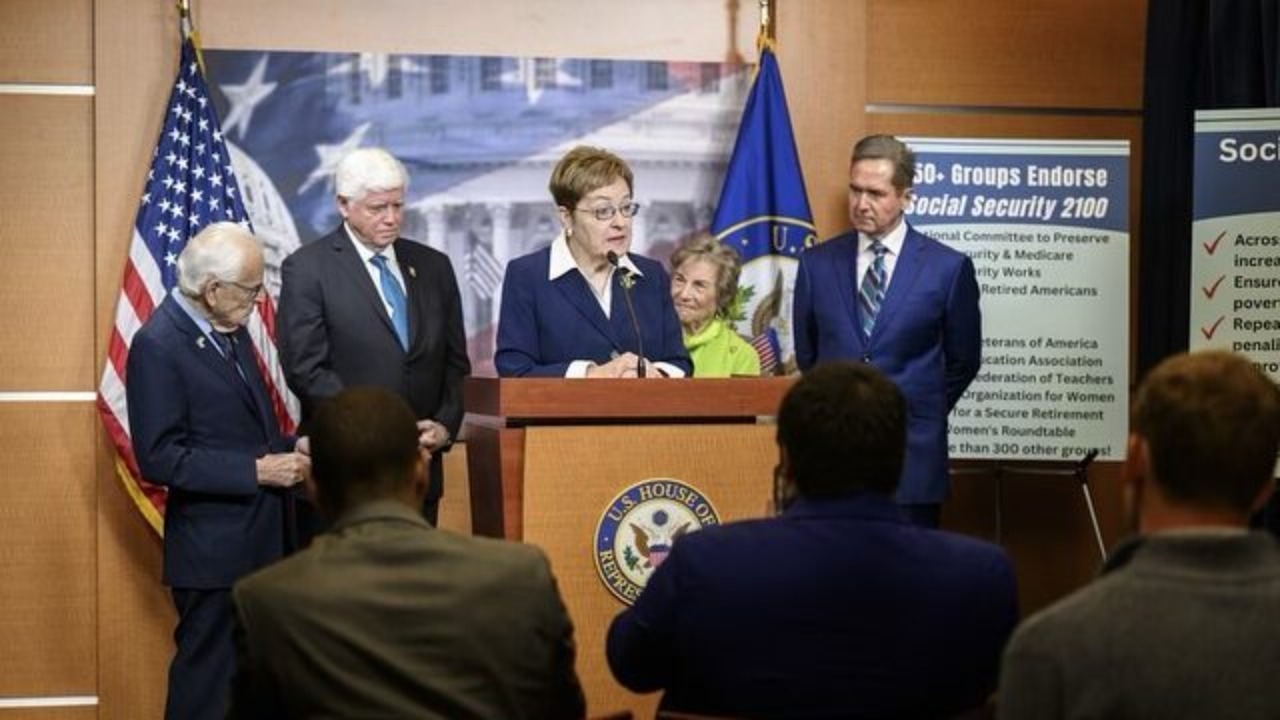
The Social Security Administration (SSA) recently reversed a controversial change in its benefits policy, affecting millions of Americans. While the initial adjustment aimed to address fiscal challenges, it led to widespread confusion and financial distress among beneficiaries. The reversal’s implications and the ongoing debate surrounding Social Security policies continue to unfold.
Policy Reversal Background

Initially, the SSA introduced a policy change intended to mitigate financial pressures. This change involved adjustments to benefits calculations that, while designed to bolster Social Security’s sustainability, inadvertently increased financial burdens for many recipients. The SSA cited growing fiscal challenges, such as an aging population and longer life expectancies, as reasons for the adjustments, which were detailed in their initial announcement.
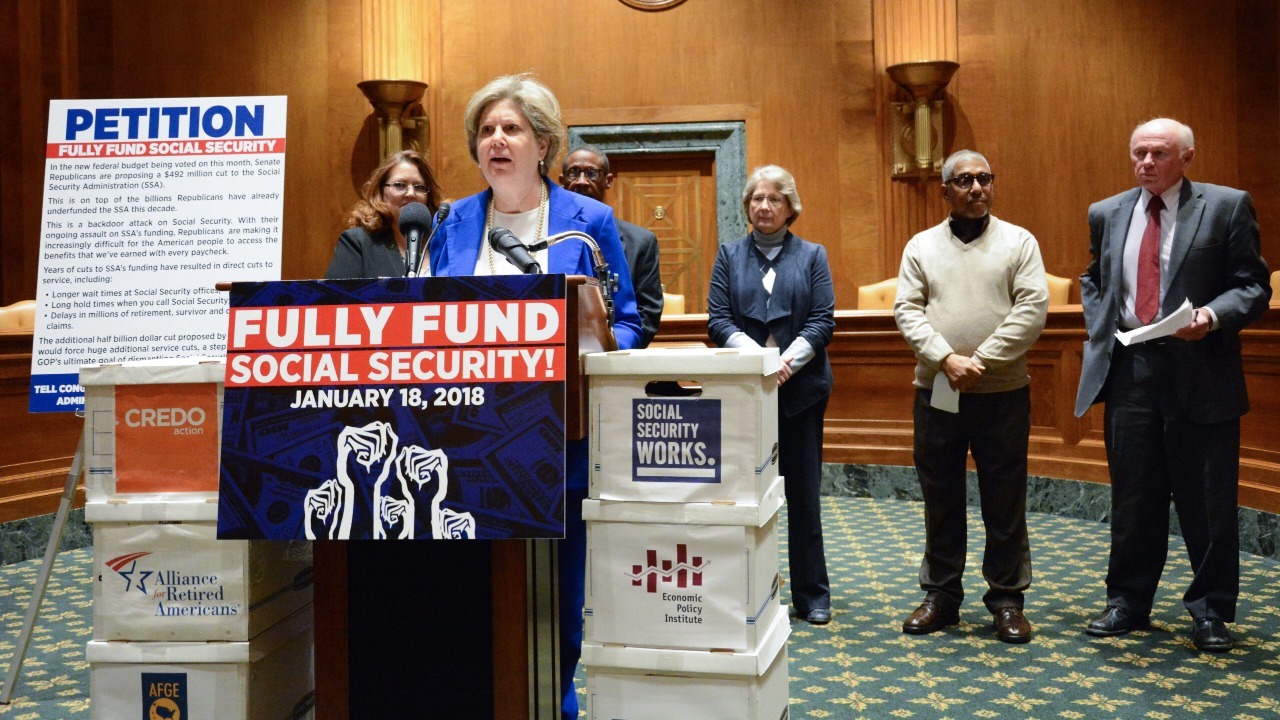
The public response was swift and intensely critical. Political leaders and advocacy groups rallied against the policy, highlighting the disproportionate impact on vulnerable populations. Key stakeholders, including the AARP and various disability rights organizations, exerted pressure on the SSA to reconsider. The agency eventually announced the reversal, issuing a statement that emphasized their commitment to listening to public concerns and ensuring the welfare of beneficiaries.
Implications for Beneficiaries
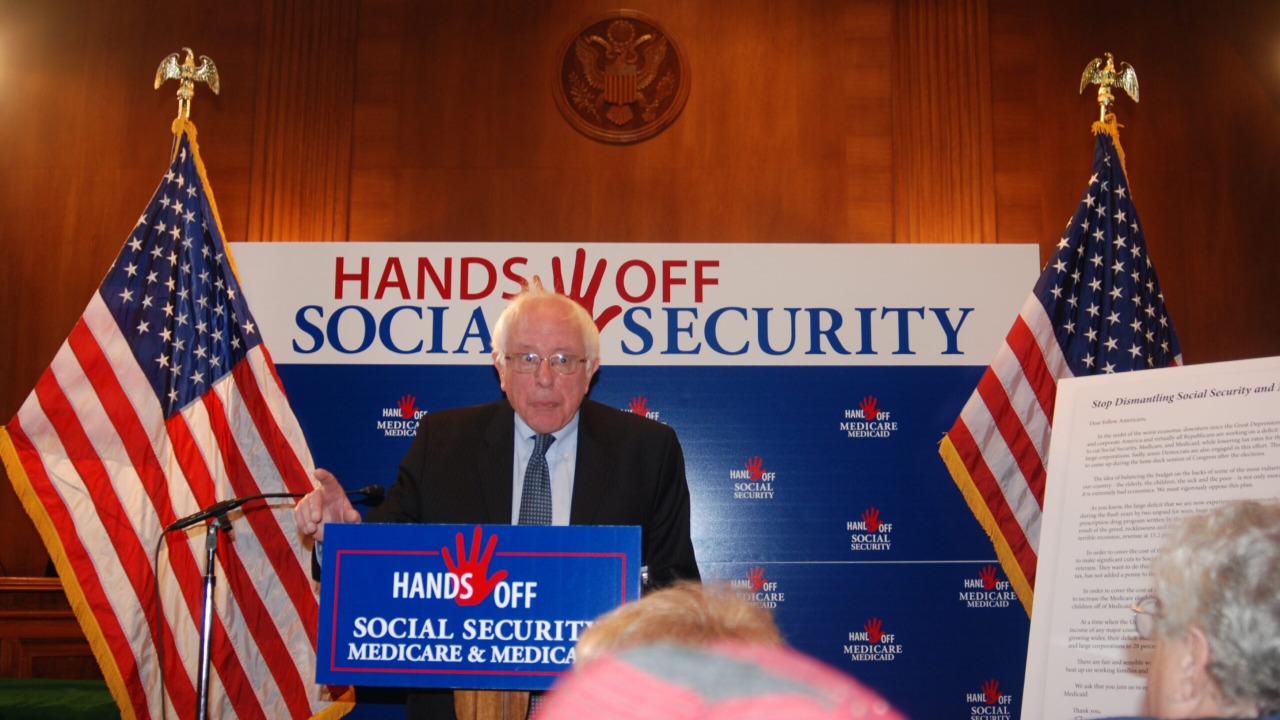
The financial impact of the reversal is significant for beneficiaries who experienced financial strain due to the initial policy change. Many individuals, particularly those on fixed incomes, struggled to adjust to reduced benefits. For example, one retiree shared their experience of having to cut back on essential expenses to make ends meet. The reversal alleviates some of these pressures, restoring a sense of financial stability for many.
Administratively, the SSA has outlined a series of steps to implement the reversal. This includes recalibrating benefits payments and adjusting records, a process projected to take several months. The SSA has communicated timelines and procedural updates to beneficiaries, aiming to minimize any further disruption. However, concerns about the long-term sustainability of Social Security remain, with experts warning that future policy adjustments may be necessary to ensure the program’s viability.
Broader Context and Analysis
Historically, Social Security policy reversals or adjustments are not unprecedented. For instance, the 1983 amendments introduced changes to address similar fiscal challenges, drawing parallels to the current situation. Such historical precedents provide context for understanding the SSA’s decision-making processes and the broader implications of policy reversals.
Economic and social factors play a significant role in shaping Social Security policies. Current economic conditions, such as inflation and economic inequality, coupled with demographic shifts like the aging baby boomer generation, create pressures for policy adjustments. Political dynamics also influence decisions, as evidenced by the role of advocacy groups and public opinion in the recent reversal. Insights from economists and policy analysts underscore the complexity of balancing fiscal responsibility with social welfare.
Future Outlook for Social Security
Looking ahead, potential policy changes to Social Security are likely, particularly in light of upcoming elections and legislative proposals. Policymakers may explore various options to ensure the program’s sustainability, including adjustments to benefit calculations or funding mechanisms. Engaging stakeholders, including beneficiaries, policymakers, and advocacy groups, will be crucial in shaping a responsive and sustainable Social Security system.
For beneficiaries, staying informed and actively participating in discussions about future changes is essential. Practical advice includes regularly reviewing benefit statements, understanding potential impacts of legislative proposals, and advocating for policies that protect their interests. The importance of ongoing engagement between the SSA and the public cannot be overstated, as it ensures that Social Security remains a vital safety net for millions of Americans.

Nathaniel Cross focuses on retirement planning, employer benefits, and long-term income security. His writing covers pensions, social programs, investment vehicles, and strategies designed to protect financial independence later in life. At The Daily Overview, Nathaniel provides practical insight to help readers plan with confidence and foresight.

