The recent surge in McDonald’s menu prices has sparked significant consumer backlash, prompting the company’s CEO, Chris Kempczinski, to address the concerns publicly. Consumers have been vocal about how these changes affect their dining choices, and the company is on a mission to justify its pricing strategy. We delve into the reasons behind the price hikes, Kempczinski’s response, and the broader implications for the fast-food giant.
Understanding the Price Surge
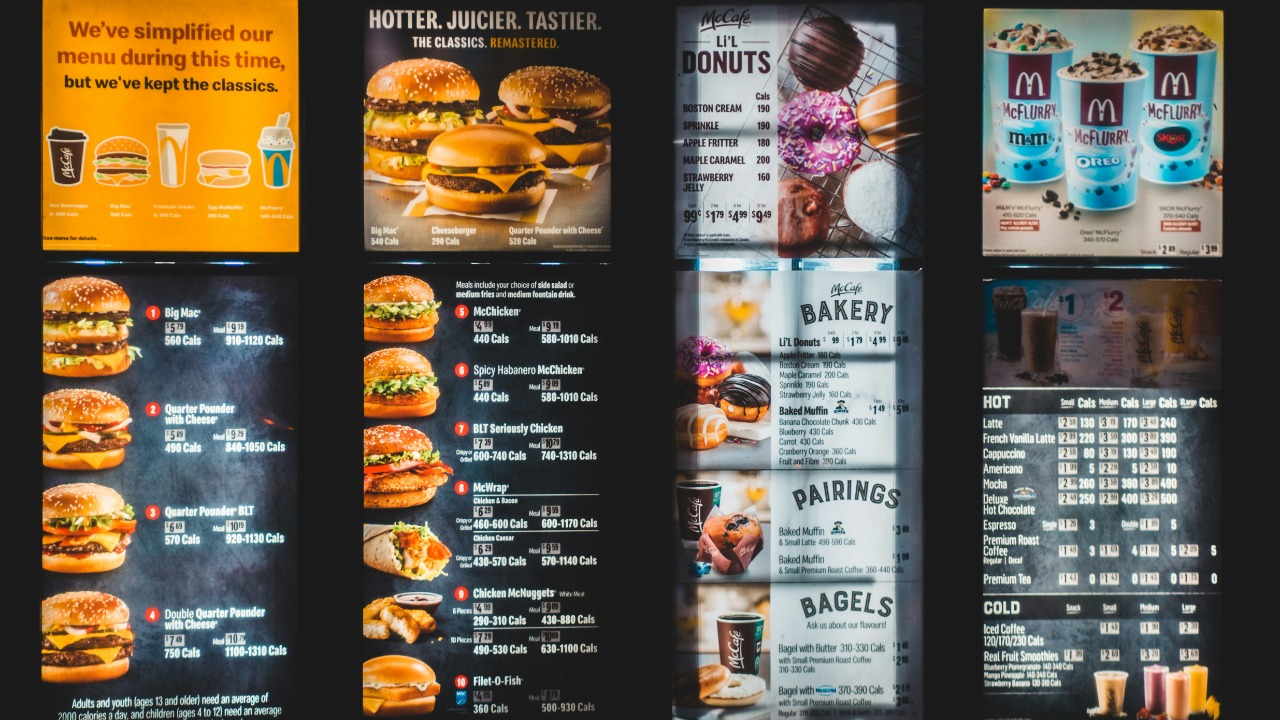
Several market influences have contributed to the recent increase in McDonald’s menu prices. Notably, supply chain disruptions and increased labor costs have played a significant role. The pandemic exacerbated these issues, creating a ripple effect that fast-food chains like McDonald’s are still grappling with. The scarcity of certain ingredients and the rising costs of transportation have further driven the need for price adjustments.
From a corporate strategy perspective, McDonald’s has been focusing on product innovation and quality enhancements. These strategic decisions are designed to meet evolving consumer expectations. However, such improvements often come at a cost, which is eventually passed on to the consumer. The brand’s commitment to maintaining a high standard for its offerings while navigating economic pressures is a delicate balance that influences pricing decisions.
CEO Chris Kempczinski’s Response

In response to the backlash, CEO Chris Kempczinski has publicly addressed consumer concerns. He emphasized the company’s commitment to balancing affordability with business sustainability, noting that while price increases are sometimes necessary, McDonald’s aims to ensure that their menu remains accessible to all demographics.
Kempczinski also hinted at specific measures to address the pricing concerns. These include exploring more efficient supply chain solutions and leveraging technology to streamline operations. By doing so, McDonald’s hopes to mitigate costs and offer better value to customers without compromising on quality.
Impact on Consumer Behavior
The recent price hikes have elicited diverse reactions from McDonald’s customer base. Low-income communities, in particular, have been most affected, as they rely heavily on fast-food options for affordable meals. This demographic shift in perception could potentially impact McDonald’s brand loyalty. Consumers may begin to explore alternative dining options if they feel priced out of their usual choices.
Despite these concerns, McDonald’s remains a staple in the fast-food industry. The company’s brand loyalty has historically been robust, but it is not immune to the effects of pricing strategies. As consumers weigh their dining options, McDonald’s must continuously evaluate whether its pricing aligns with customer expectations and economic realities.
Broader Implications for the Fast-Food Industry
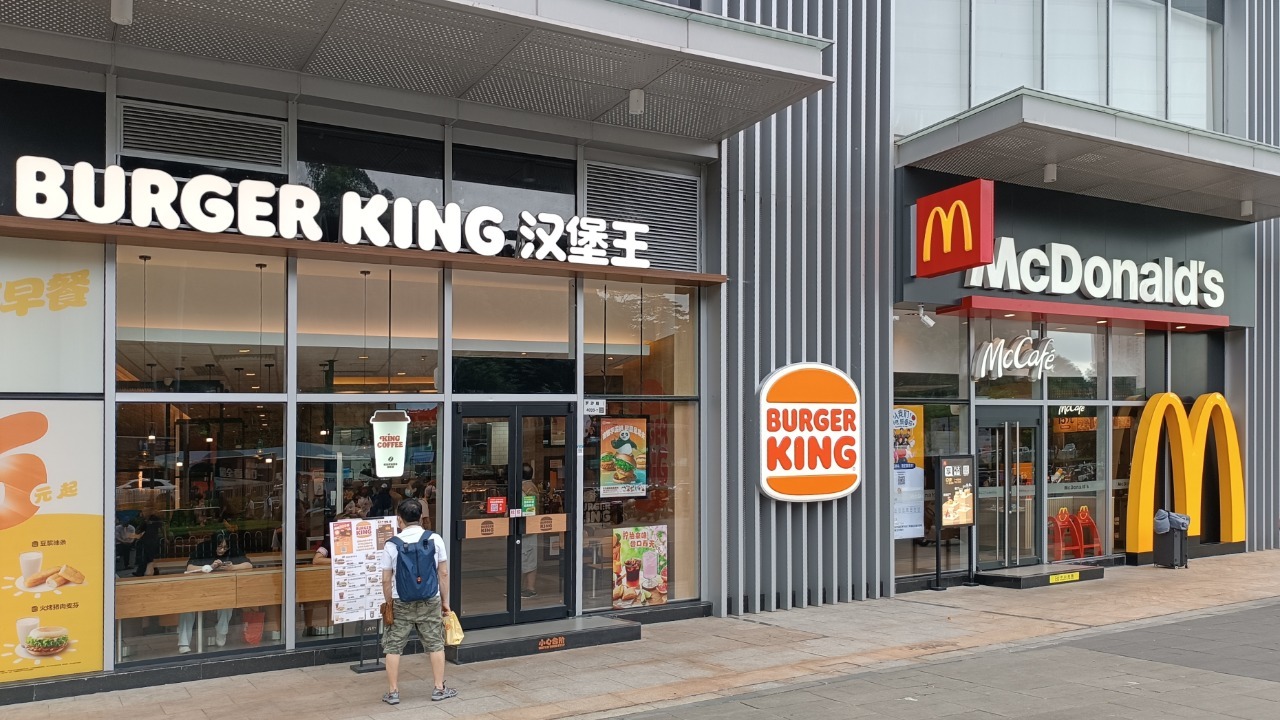
McDonald’s pricing decisions are likely to influence the broader fast-food market dynamics. Competitors might feel compelled to adjust their own prices to remain competitive, which could lead to an industry-wide shift in pricing strategies. This ripple effect could redefine consumer expectations and spending patterns across the fast-food sector.
The economic outlook for the fast-food industry suggests a period of adjustment as companies navigate these new challenges. Emerging market trends and financial analyses indicate that fast-food chains must remain agile in their approach to pricing and customer engagement. As the industry evolves, the implications of McDonald’s recent decisions could serve as a case study for understanding the complex interplay between pricing, consumer behavior, and market forces.

Grant Mercer covers market dynamics, business trends, and the economic forces driving growth across industries. His analysis connects macro movements with real-world implications for investors, entrepreneurs, and professionals. Through his work at The Daily Overview, Grant helps readers understand how markets function and where opportunities may emerge.