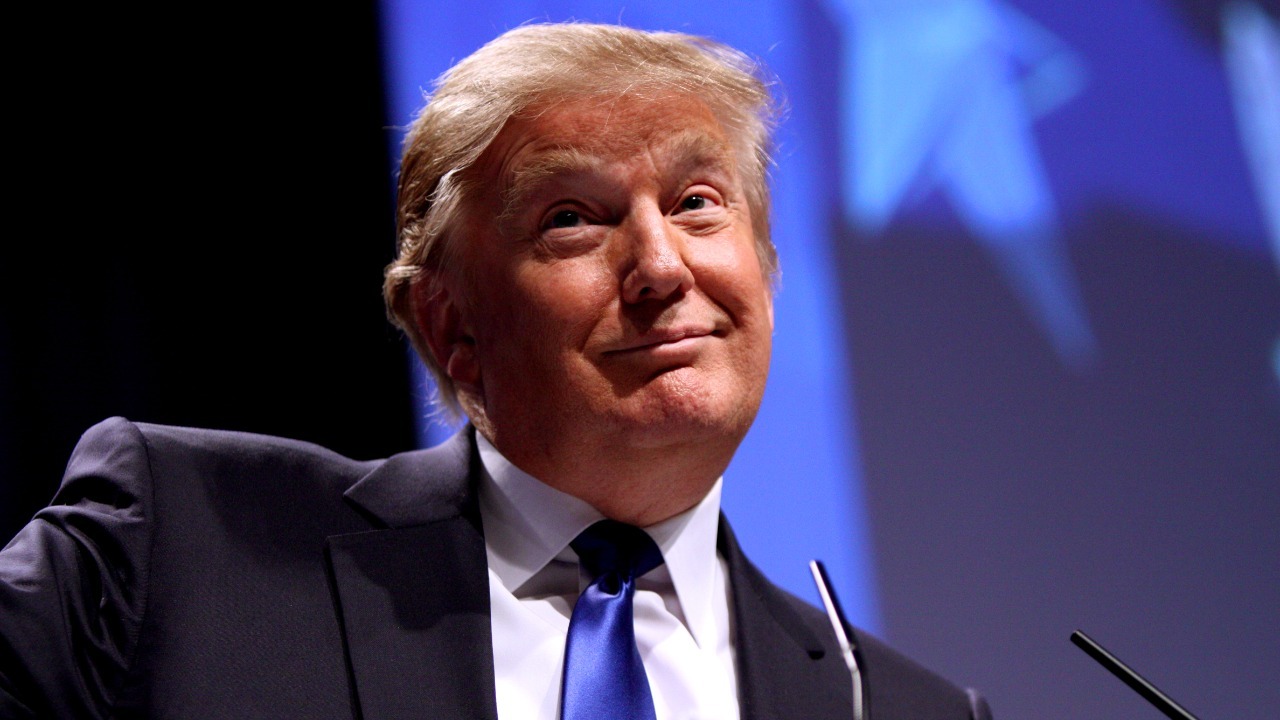
President Donald Trump’s decision to sharply raise tariffs on imports from South Korea has jolted one of Washington’s closest Asian allies and injected fresh uncertainty into global trade. The move, which lifts duties on a wide range of Korean goods to 25%, is reverberating through Seoul’s politics and boardrooms as leaders scramble to limit the damage. I see a familiar pattern in this shock, one that blends transactional bargaining with strategic pressure and leaves partners guessing what might come next.
For South Korea, the tariff spike lands on top of existing security anxieties and a slowing global economy, magnifying the sense of vulnerability. The backlash at home is already visible, with growing resentment in Seoul and a scramble among South Korean politicians to show they can still protect access to the US market. How the two governments manage the fallout will shape not only trade flows but also the credibility of their broader alliance.
Tariffs jump to 25% and Seoul feels betrayed
The core of the shock is simple: Trump has raised US tariffs on imports from South Korea to 25%, a steep increase that instantly changes the economics of exporting to the American market. The new rate, which follows an earlier 15% level, hits sectors that had built their business models around stable access to US consumers and now face a sudden squeeze on margins. Reporting on the tariff decision notes that the previous agreement had left South Korea expecting a more predictable path, which makes the abrupt jump to a 25% duty feel less like routine adjustment and more like a political message from Trump.
In South Korea, the reaction has been a mix of shock and anger, with many seeing the move as a breach of trust after years of close coordination on trade and security. Coverage from Seoul describes how resentment is growing in the capital as South Korean lawmakers rush to reassure voters that they can still defend national interests in Washington. The sense of betrayal is sharpened by the country’s long standing role as a reliable ally, which makes the sudden tariff escalation feel like punishment rather than a technical trade dispute, a point underscored by analysis of how South Korea is now reassessing the balance of its economic and security ties.
Diplomatic firefighting: Cho Hyun, Marco Rubio and the White House
Seoul’s first instinct has been to lean hard on diplomacy, dispatching senior envoys to Washington in an effort to slow or soften the tariff hike. South Korean Foreign Minister Cho Hyun has become the face of this push, meeting US officials to argue that Seoul is not dragging its feet on trade legislation and should not be singled out for punitive treatment. In one key conversation, Cho Hyun told his US counterpart Marco Rubio that South Korea was not intentionally delaying a trade bill and asked Rubio to encourage relevant US government agencies to ensure there would be sufficient consultations on three key bilateral issues, including the tariff rate that had previously been set at 15%, a plea captured in detailed accounts of Rubio.
The diplomatic effort has extended beyond a single meeting, with South Korea’s top envoy in Washington also seeking out influential lawmakers as Trump’s new tariff looms. Reports describe how the ambassador has met figures like Marco Rubio to press Seoul’s case and to argue that the tariff escalation risks undermining cooperation on everything from technology supply chains to North Korea policy. These contacts highlight how South Korean officials are trying to work the US political system, not just the executive branch, to head off further damage, a strategy reflected in coverage of the top envoy’s outreach.
Resentment in Seoul and the politics of “punishment”
Inside South Korea, the tariff shock is feeding a broader narrative that the country is being unfairly targeted despite its status as a loyal ally. Commentators have described how resentment is growing in Seoul as South Korean politicians scramble to protect trade ties with the US while also exploring deeper economic links with other nations, including China. The domestic debate is not just about lost exports but about dignity and leverage, with some lawmakers warning that Washington’s approach risks stoking anti American sentiment if it is perceived as an arrogant attitude toward a partner that has long aligned its policies with US preferences, a concern echoed in detailed reporting on Seoul.
From my perspective, what makes this moment particularly volatile is the way trade and security grievances are bleeding into each other. Some Korean analysts now frame the tariff hike as part of a pattern in which Trump uses economic tools to discipline allies he believes are not moving fast enough on US priorities. One assessment even characterizes the measure as “punishment” for South Korea, arguing that Washington is signaling displeasure over perceived delays in meeting American expectations and that the tariff threat was linked to a supposed delay to the American side, a framing laid out in an Exclusive Trade analysis of Trump’s broader trade wars.
White House ambiguity and the timing question
Compounding the anxiety in Seoul is the lack of clarity from the White House about exactly when and how the higher tariffs will fully take effect. A recent briefing by a White House spokesperson acknowledged that there is still uncertainty around the timing of the Korea tariff increase, even as officials insist that the administration remains committed to using trade tools to secure what it sees as fairer terms. The same briefing, which was highlighted in Korean media, underscored that the White House is still weighing the sequencing of the tariff move alongside other elements of a bilateral trade deal, a point captured in coverage of the White House Press remarks.
The messaging gap is visible even in public facing channels, where official briefings and news segments have tried to parse the administration’s stance without offering firm dates. One widely shared broadcast, carried on Korean platforms and social media, noted that the White House says there is no timeline yet for Trump’s proposed tariff increase on Korea, leaving businesses in limbo as they try to plan shipments and pricing. That uncertainty has become a story in its own right, amplified by clips circulating on Facebook and Youtube that show officials stressing the lack of a fixed schedule while reiterating that the policy direction is set.
Alliance strains, investment pledges and what comes next
Behind the immediate tariff fight lies a deeper question about how South Korea and the US manage a relationship that is both highly transactional and strategically vital. South Korean Foreign Minister Cho Hyun has been at pains to stress that Seoul is not intentionally delaying any commitments and that it remains a steadfast partner on security matters, a message he delivered directly to Marco Rubio while also emphasizing the importance of coordination among allies. In remarks reported from ISTANBUL, Cho Hyun underlined that South Korea values its alliance with the US, particularly on security matters, and that Seoul is working to keep economic tensions from spilling over into defense cooperation, a stance detailed in accounts of the South Korean Foreign meeting.
At the same time, the economic stakes are too large for either side to ignore. Under the deal struck last year, South Korea committed to pay $200 billion of the $350 billion in cash in phased installments capped at a certain level, a structure that was designed to reassure US policymakers that Seoul was making a substantial contribution to shared priorities. That arrangement now sits uneasily alongside Trump’s argument that existing trade terms are unfair and discriminatory, a claim he has used to justify raising tariffs and to signal that he is prepared to revisit even recently negotiated understandings, as reflected in detailed coverage that begins with the phrase Under the deal struck last year.
More From The Daily Overview
*This article was researched with the help of AI, with human editors creating the final content.

Grant Mercer covers market dynamics, business trends, and the economic forces driving growth across industries. His analysis connects macro movements with real-world implications for investors, entrepreneurs, and professionals. Through his work at The Daily Overview, Grant helps readers understand how markets function and where opportunities may emerge.

