
South Korea’s used car export industry is experiencing a significant boom, providing a buffer against the negative impacts of U.S. tariffs on other sectors of its economy. Despite the overall dip in South Korean exports, as highlighted in recent reports, the used car market remains resilient and continues to thrive. This unexpected growth in the used car sector is helping to mitigate the broader economic challenges faced by South Korea due to international trade tensions.
The Surge in South Korean Used Car Exports

South Korea’s used car exports are currently experiencing a remarkable surge, defying the negative pressures from U.S. tariffs. According to Anewz, the used car market has shown resilience, with exports continuing to grow despite the broader economic challenges. This growth is not only a testament to the sector’s strength but also a crucial factor in cushioning the impact of U.S. tariffs on the South Korean economy.
The expansion of the used car export market is providing a much-needed economic buffer. As reported by Reuters, the increase in used car exports is helping to offset the negative effects of tariffs on other South Korean exports. This trend highlights the adaptability of the used car sector in navigating international trade challenges and maintaining economic stability.
One of the driving forces behind this surge is the competitive pricing and high quality of South Korean vehicles, which have become increasingly attractive to international buyers. As noted by Anewz, South Korean cars are known for their reliability and advanced technology, making them a preferred choice in many emerging markets. Additionally, the depreciation of the South Korean won has made these vehicles more affordable on the global stage, further boosting export numbers.
Furthermore, South Korea has strategically expanded its export markets beyond traditional partners, tapping into regions such as Africa and the Middle East, where demand for affordable and reliable vehicles is on the rise. This diversification of export destinations has been crucial in sustaining the growth momentum of the used car sector, as highlighted by Reuters. By broadening its market reach, South Korea is better positioned to weather fluctuations in demand from any single region.
Impact of U.S. Tariffs on South Korean Exports
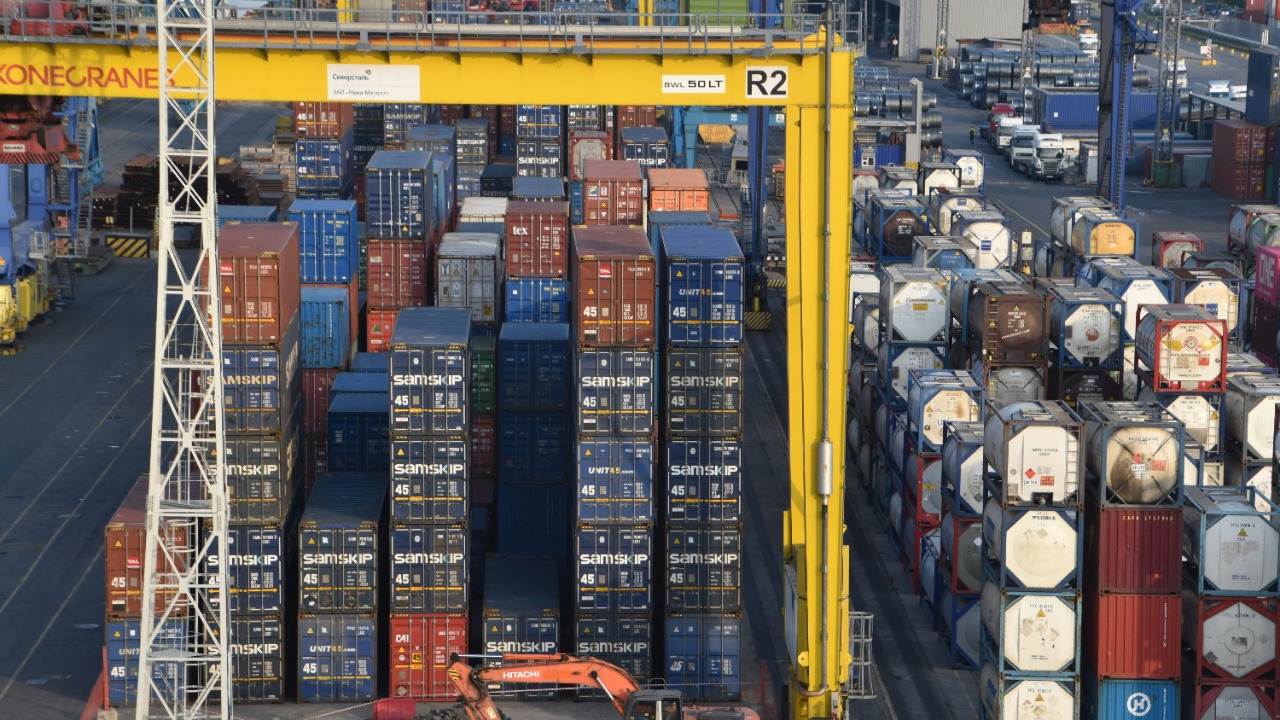
Despite the extra working days available, South Korea’s exports have experienced a decline due to the impact of U.S. tariffs. According to a report by The Business Times, the tariffs have outweighed any potential benefits from increased working days, leading to a dip in overall export figures. This decline underscores the significant challenges faced by South Korean industries, which are struggling to cope with the trade barriers imposed by the U.S.
The broader export decline highlights the difficulties encountered by various sectors within the South Korean economy, excluding the thriving used car market. As noted by Modern Diplomacy, the used car sector stands out as a resilient force amid these challenges, continuing to perform well despite the adverse conditions affecting other industries.
The imposition of U.S. tariffs has particularly affected South Korea’s electronics and steel industries, which have traditionally been major contributors to the country’s export economy. According to The Business Times, these sectors have seen a noticeable decline in export volumes, as increased costs have made their products less competitive in the U.S. market. This has forced many companies to seek alternative markets or reduce production, leading to broader economic repercussions.
Moreover, the tariffs have prompted South Korean businesses to reassess their supply chains and explore new trade partnerships. This strategic pivot is aimed at reducing dependency on the U.S. market and mitigating the risks associated with trade policy changes. As reported by Modern Diplomacy, this shift is part of a broader effort to enhance economic resilience and ensure sustainable growth in the face of ongoing trade tensions.
Resilience Factors in the Used Car Market

Analysts are examining whether the boom in used car exports represents genuine resilience or if it poses potential risks for the future. The sustained demand for used cars internationally is a key factor in maintaining South Korea’s economic stability, as highlighted by Anewz. This demand is helping to counterbalance the negative impacts of tariffs on other sectors, ensuring that the economy remains buoyant despite external pressures.
However, questions remain about the long-term sustainability of this boom. As Modern Diplomacy points out, the rapid growth in used car exports may mask underlying vulnerabilities that could emerge if market conditions change. The sector’s current success is largely driven by international demand, which could fluctuate based on global economic trends and policy shifts.
Another factor contributing to the resilience of the used car market is the strong network of South Korean dealerships and exporters who have established efficient logistics and distribution channels. This infrastructure enables quick and cost-effective delivery of vehicles to international buyers, enhancing customer satisfaction and encouraging repeat business. As highlighted by Anewz, these logistical advantages are a key competitive edge for South Korean exporters.
Additionally, the South Korean government has played a supportive role by implementing policies that facilitate the export process, such as streamlining customs procedures and providing financial incentives for exporters. These measures have helped to lower operational costs and increase the profitability of used car exports, further bolstering the sector’s growth. As noted by Modern Diplomacy, such government support is crucial in maintaining the momentum of the used car market amid global economic uncertainties.
Future Prospects and Challenges

The future prospects of South Korea’s used car export boom are uncertain, with market dynamics and international policies playing a crucial role in shaping potential outcomes. As noted by Modern Diplomacy, the long-term sustainability of this growth will depend on the ability of South Korean exporters to adapt to changing global conditions. This includes monitoring shifts in demand, currency fluctuations, and potential changes in trade policies that could impact export volumes.
Continued monitoring of global market trends and policy changes will be critical for South Korean exporters to adapt and thrive in the future. According to Reuters, staying informed about international developments and being prepared to adjust strategies accordingly will be essential for maintaining the momentum of the used car export sector. This proactive approach will help ensure that South Korea can continue to leverage its strengths in the used car market while navigating the complexities of international trade.

Grant Mercer covers market dynamics, business trends, and the economic forces driving growth across industries. His analysis connects macro movements with real-world implications for investors, entrepreneurs, and professionals. Through his work at The Daily Overview, Grant helps readers understand how markets function and where opportunities may emerge.

