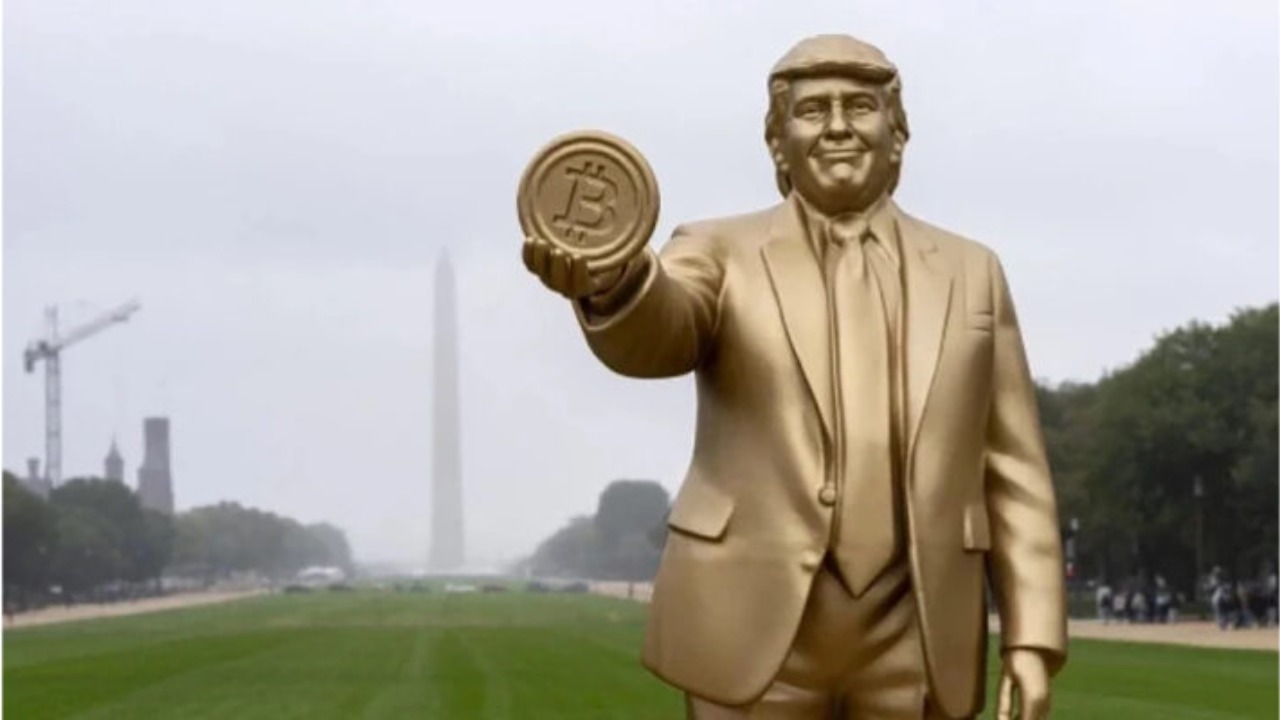
Recently, a gold statue of President Donald Trump holding a Bitcoin was erected in Washington, D.C., sparking curiosity and debate about its origins and purpose. This installation has become a focal point for discussions on the intersection of politics, art, and cryptocurrency. The statue’s presence has elicited a wide range of reactions, from political figures to the general public, highlighting its provocative nature.
The Genesis of the Gold Trump Statue

The gold statue of Donald Trump holding a Bitcoin was created by an anonymous artist who reportedly wanted to make a statement about the former president’s influence and the growing significance of cryptocurrency. The artist’s vision was to capture the essence of Trump’s controversial persona while also commenting on the increasing mainstream acceptance of digital currencies. The statue’s design, featuring Trump in a triumphant pose with a Bitcoin in hand, symbolizes the merging of political power and financial innovation.
Financial backing for the statue came from a group of cryptocurrency enthusiasts known as “memecoiners,” who are dedicated to promoting digital currencies through unconventional means. According to Cointelegraph, these individuals pooled resources to fund the statue’s creation and placement near the U.S. Capitol. The logistical challenges of installing such a large and conspicuous piece in a high-profile location were significant, but the group managed to navigate these hurdles successfully.
The statue’s design choices are laden with symbolism. The use of gold not only reflects Trump’s opulent brand but also alludes to Bitcoin’s status as “digital gold.” The decision to depict Trump holding a Bitcoin is a nod to the former president’s complex relationship with cryptocurrency, which has evolved over time. The statue’s placement near the Capitol further underscores its political undertones, inviting viewers to consider the implications of merging political and financial power.
Public and Political Reactions
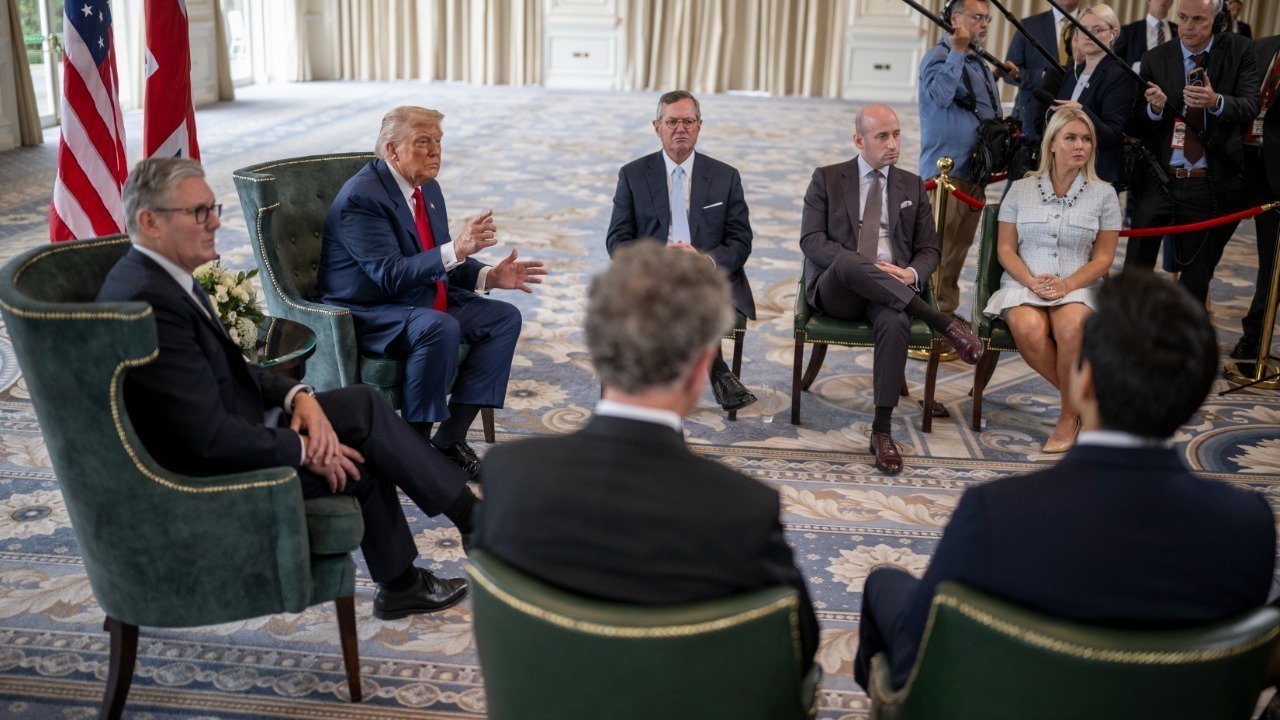
The statue has drawn mixed reactions from political figures. Some of Trump’s supporters have praised the installation as a fitting tribute to his legacy and a bold statement on the future of finance. In contrast, critics have decried it as an unnecessary glorification of a divisive figure. According to USA Today, several lawmakers have expressed concern about the statue’s presence, questioning its appropriateness in such a politically charged environment.
The general public’s response has been equally varied. While some visitors to the Capitol have taken selfies with the statue, viewing it as a humorous or intriguing addition to the landscape, others have voiced their disapproval, arguing that it detracts from the dignity of the area. The statue has become a popular topic on social media, with users sharing photos and opinions, further fueling the debate. As reported by Yahoo News, the statue’s viral nature has amplified its impact, drawing attention from both national and international audiences.
Media coverage has played a significant role in shaping the narrative around the statue. Outlets like The Cut have highlighted the statue’s controversial aspects, while others have focused on its artistic and cultural significance. This diverse coverage has contributed to a broader conversation about the role of public art in political discourse and the ways in which it can provoke thought and discussion.
The Intersection of Trump, Bitcoin, and Art
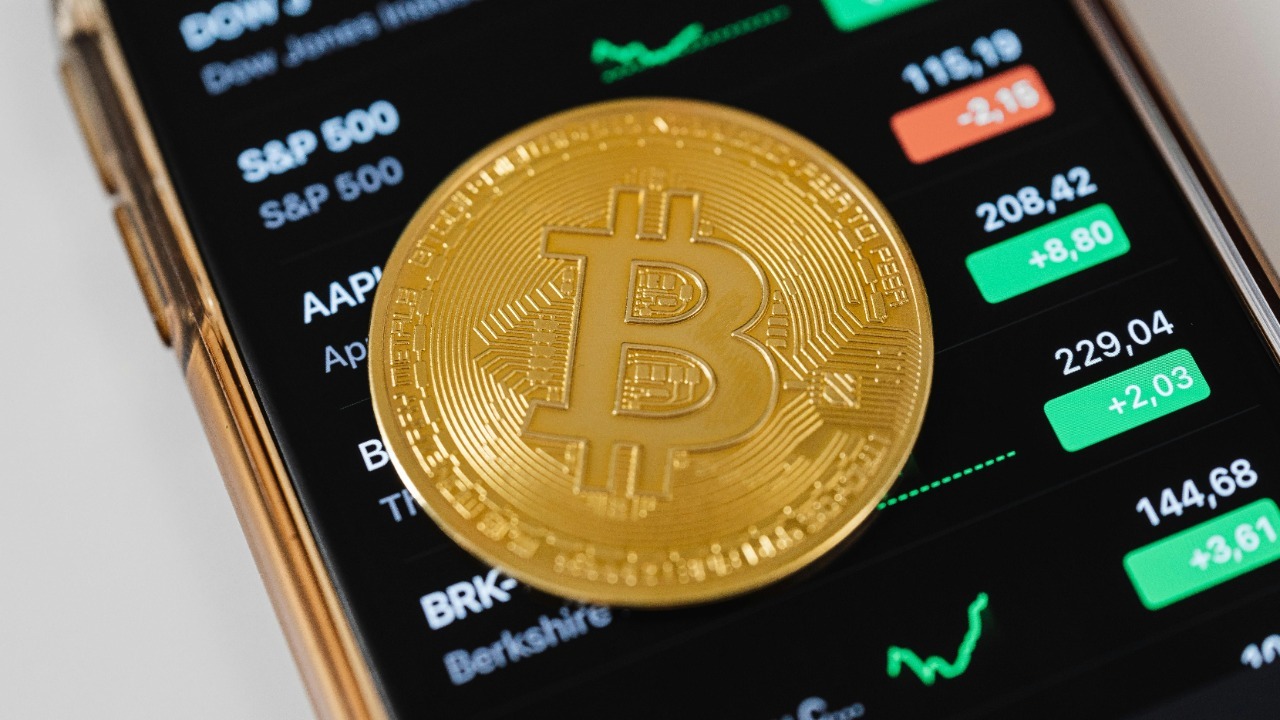
Donald Trump’s historical stance on Bitcoin and cryptocurrency has been somewhat ambivalent. During his presidency, Trump expressed skepticism about digital currencies, calling Bitcoin a “scam” and emphasizing the need for regulation. However, the statue’s depiction of Trump holding a Bitcoin suggests a shift in perception, reflecting the growing acceptance of cryptocurrency as a legitimate financial asset. This juxtaposition highlights the evolving nature of both political and financial landscapes.
Art has long served as a medium for political commentary, and the Trump statue is no exception. By combining elements of politics, finance, and art, the statue challenges viewers to consider the implications of these intersecting domains. The use of a public figure like Trump, known for his polarizing influence, adds a layer of complexity to the artwork, inviting interpretations that range from satire to homage.
Bitcoin’s inclusion in the statue underscores its cultural significance in contemporary society. As a symbol of financial innovation and decentralization, Bitcoin represents a shift away from traditional banking systems and towards a more democratized financial landscape. The statue’s portrayal of Bitcoin alongside a prominent political figure suggests a recognition of its growing influence and potential to reshape economic paradigms.
Implications and Potential Consequences
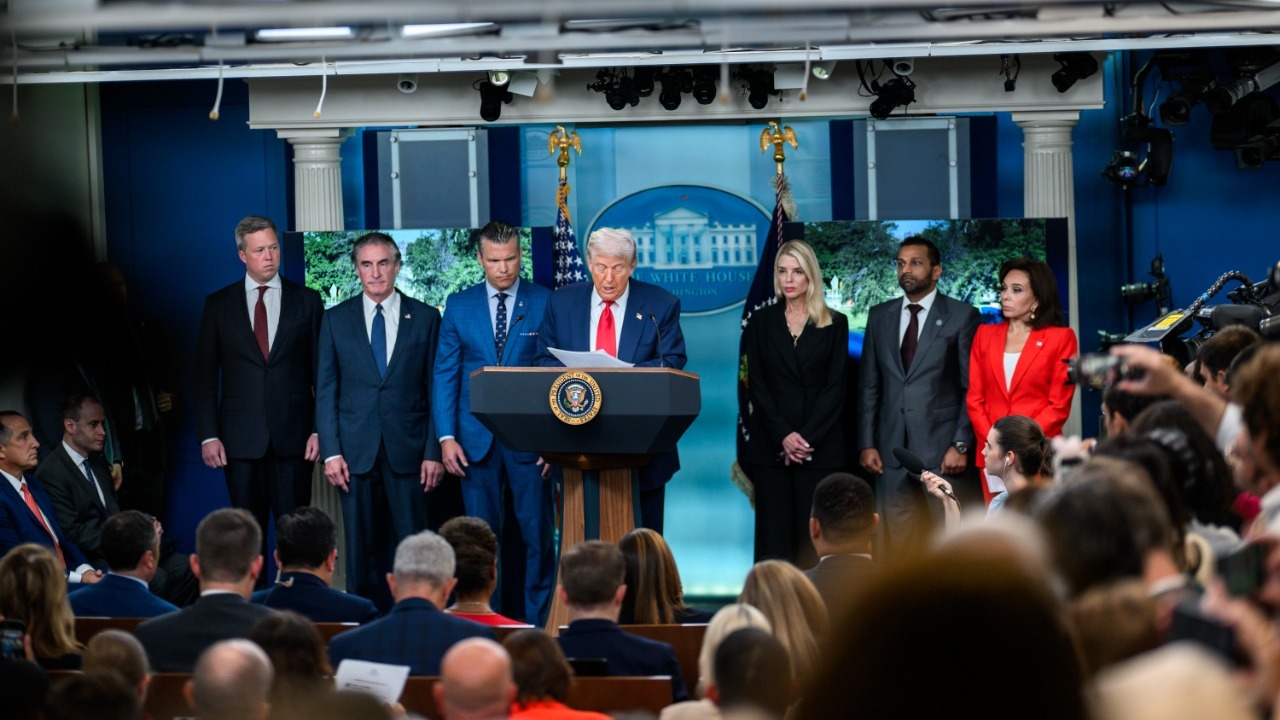
The statue’s presence in Washington, D.C., could have far-reaching implications for the political landscape. By sparking discussions about the intersection of politics and cryptocurrency, the statue may influence future policy debates and shape public perceptions of digital currencies. As noted by DC News Now, the statue’s provocative nature has already prompted conversations about the role of art in political discourse.
Legal and regulatory considerations are also at play. The statue’s installation on public land raises questions about permits and compliance with local regulations. While no legal challenges have been reported thus far, the statue’s controversial nature could lead to increased scrutiny and potential regulatory discussions. These considerations highlight the complexities of navigating public art installations in politically sensitive areas.
In the long term, the statue’s existence may influence the future of political art and the perception of cryptocurrencies. By pushing the boundaries of traditional art forms and incorporating elements of digital finance, the statue sets a precedent for future installations that seek to comment on contemporary issues. As public art continues to evolve, the integration of technology and finance into artistic expressions may become more commonplace, reflecting broader societal shifts.
The Broader Context of Statues in Political Spaces
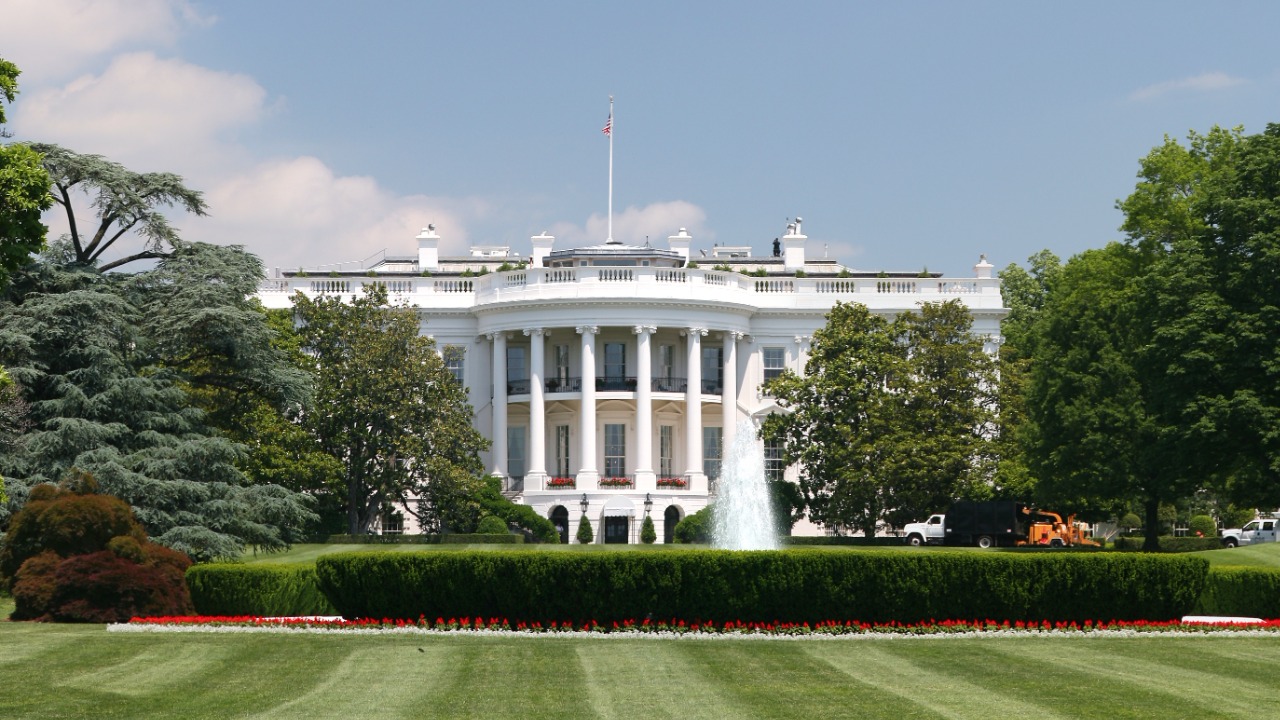
Statues have long served as reflections of societal values and political climates. In Washington, D.C., numerous statues commemorate historical figures and events, each with its own narrative and significance. The Trump statue joins a lineage of controversial installations that have sparked debate and discussion. Historical precedents, such as the removal of Confederate statues, illustrate the dynamic nature of public art and its ability to provoke change.
As societal values shift, so too do the symbols that represent them. Statues in public spaces often mirror these changes, serving as barometers of cultural and political climates. The Trump statue, with its blend of politics and cryptocurrency, captures a moment in time where these elements are at the forefront of public consciousness. Its presence invites viewers to reflect on the evolving nature of power, finance, and art in contemporary society.
Looking ahead, the future of public art in political discourse is likely to be shaped by installations that challenge conventional narratives and explore new themes. As artists continue to push boundaries and engage with current issues, public art will remain a vital component of political and cultural conversations. The Trump statue, with its bold statement and provocative design, exemplifies this trend and sets the stage for future explorations of art’s role in society.

Grant Mercer covers market dynamics, business trends, and the economic forces driving growth across industries. His analysis connects macro movements with real-world implications for investors, entrepreneurs, and professionals. Through his work at The Daily Overview, Grant helps readers understand how markets function and where opportunities may emerge.

