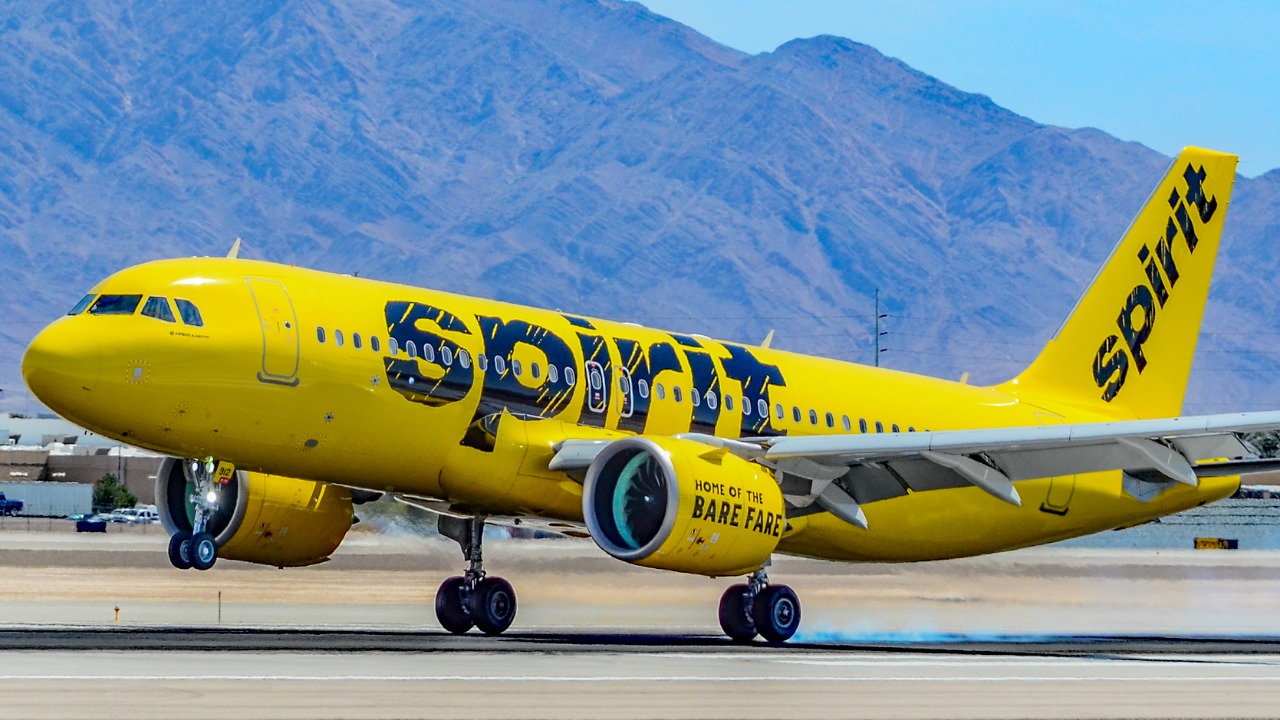
Spirit Airlines is dismantling a significant portion of its flight network and fleet as it fights to survive Chapter 11 bankruptcy, cutting service to cities, furloughing workers, and selling aircraft in a bid to slash billions in debt and lease obligations. The ultra-low-cost carrier filed for protection in the U.S. Bankruptcy Court for the Southern District of New York under Case No. 25-11897-shl, and it now aims to exit bankruptcy by summer 2026. The restructuring raises hard questions about what happens to budget airfares when the airline most associated with cheap tickets shrinks dramatically.
Inside the Chapter 11 Filing and Court Process
Spirit Aviation Holdings, Inc. landed in the Southern District of New York’s bankruptcy court, where the case has been designated a mega case on the NYSB docket, a classification reserved for large, complex proceedings that draw significant creditor participation. Claims agent Epiq is managing the case administration, processing filings from creditors, lessors, and other parties with financial stakes in the airline’s future. The mega-case designation itself signals the scale of Spirit’s financial distress and the number of parties jockeying for recoveries.
Court filings and periodic disclosures, including monthly operating reports filed on EDGAR, give a window into how Spirit is burning cash and managing expenses while in bankruptcy. These MOR documents, required under Chapter 11 reporting rules, track the airline’s receipts, disbursements, and profitability period by period, and they are monitored by the U.S. Trustee Program within the Justice Department to ensure compliance with disclosure and governance standards. For creditors and travelers alike, the MOR filings are the closest thing to a real-time financial pulse check on whether Spirit can actually reorganize or is simply delaying a liquidation.
Creditor Deal Trades Planes for a Path Forward
Spirit reached a deal with its creditors that centers on reducing debt and lease obligations while shrinking its fleet, according to reporting in the financial press. The agreement includes planned aircraft sales and fleet cost reductions designed to right-size the airline for a smaller, leaner operation. Flight volumes have already dropped sharply compared to March levels, a sign that the cuts are not theoretical but already reshaping Spirit’s day-to-day schedule. The creditor deal also sketches a projected growth timeline, suggesting Spirit’s backers believe the airline can eventually expand again once it stabilizes on a more sustainable base.
The logic behind the deal is straightforward: Spirit cannot service its pre-bankruptcy debt load while also flying a fleet it can no longer afford to maintain and fuel. Selling planes and shedding lease commitments frees up cash that would otherwise flow to lessors and lenders, giving the airline breathing room to operate on a smaller footprint. But fleet reductions are not painless. Every plane that leaves the roster eliminates dozens of daily flights, and those flights represent connections for travelers who rely on Spirit’s low fares to reach family, vacation destinations, or business meetings. The creditor agreement effectively bets that a smaller, solvent Spirit is worth more than a bloated one bleeding money on every route, even if that means near-term pain for communities and workers tied to the airline’s old network.
Service Cuts and Furloughs Hit Travelers and Workers
The operational fallout is already visible. Spirit has implemented service cuts and furloughs as part of its bankruptcy restructuring, pulling back from routes that no longer make financial sense under a reduced fleet. For workers, furloughs mean lost income and uncertainty about whether their positions will return when, or if, Spirit scales back up. Union leaders and local officials in affected cities have voiced concern that temporary furloughs could quietly become permanent job losses if the airline’s post-bankruptcy plan calls for a structurally smaller workforce.
For passengers, the cuts mean fewer options on routes where Spirit was often the only carrier offering fares well below the major airlines’ pricing floor. The ripple effects extend beyond Spirit’s own customers: ultra-low-cost carriers have historically forced competitors to match or at least moderate prices on overlapping routes, a dynamic airline economists often describe as a fare-dampening effect. When Spirit exits a market, fares on that route tend to rise because the competitive pressure disappears. Budget-conscious travelers on routes where Spirit has pulled back may find themselves paying noticeably more to fly the same distance on rival airlines, while smaller airports that depended on Spirit for volume risk losing connectivity and the associated tourism and business travel dollars.
Summer 2026 Exit Target Faces Real Obstacles
Spirit expects to emerge from Chapter 11 by summer 2026, a timeline that depends on court approvals, creditor cooperation, and the airline’s ability to stabilize operations on a much smaller scale. That target is ambitious given the complexity of unwinding aircraft leases, negotiating with dozens of creditor groups, and maintaining enough service to keep revenue flowing. Key steps, such as asset sales and assumption or rejection of contracts, must move through court-supervised procedures that can add months to the process if disputes arise. Any significant deterioration in operating performance, or an external shock to travel demand, could force Spirit back to court to revise its timetable.
The broader airline industry is watching closely because the outcome will shape competition in the ultra-low-cost segment for years. If Spirit emerges as a viable, smaller carrier, it preserves at least some pressure on fares in markets where budget options are already thin, and it could become a takeover target or codeshare partner for airlines seeking more domestic reach. If the restructuring fails or drags on too long, the airline risks losing its remaining customer base to rivals eager to absorb its market share. Frontier and other discount carriers have already been expanding into routes Spirit has abandoned, and the major airlines have shown little inclination to keep fares low on routes where discount competition disappears, especially at congested hubs where capacity is constrained.
What a Smaller Spirit Means for Airfares
The central tension in Spirit’s bankruptcy is not just whether the airline survives but what its shrinkage does to the broader fare environment. Spirit built its business model on the premise that travelers would tolerate bare-bones service in exchange for rock-bottom prices, unbundling almost every amenity into a separate fee. That approach trained a generation of budget flyers to comparison-shop aggressively and pushed competitors to introduce their own stripped-down products in response. As Spirit retreats from marginal routes and pares back frequencies, the immediate result is fewer ultra-cheap seats in the marketplace, particularly on leisure-heavy routes to sun destinations and secondary airports that legacy carriers serve less intensively.
In the short term, that contraction is likely to translate into higher average fares on affected routes because remaining carriers have less incentive to undercut one another. Over the longer term, the picture is more nuanced. A leaner Spirit with a healthier balance sheet could focus on its most profitable corridors and invest in more reliable operations, making it a more credible competitor where it still flies. At the same time, rival low-cost carriers may selectively step into the gaps Spirit leaves behind, but they face their own cost pressures and may not replicate the same ultra-low price points. For travelers, the practical takeaway is that the era of ubiquitous rock-bottom fares on every route Spirit once touched is fading, even if some pockets of intense price competition endure where multiple discount airlines still overlap.
More From The Daily Overview
*This article was researched with the help of AI, with human editors creating the final content.

Grant Mercer covers market dynamics, business trends, and the economic forces driving growth across industries. His analysis connects macro movements with real-world implications for investors, entrepreneurs, and professionals. Through his work at The Daily Overview, Grant helps readers understand how markets function and where opportunities may emerge.

