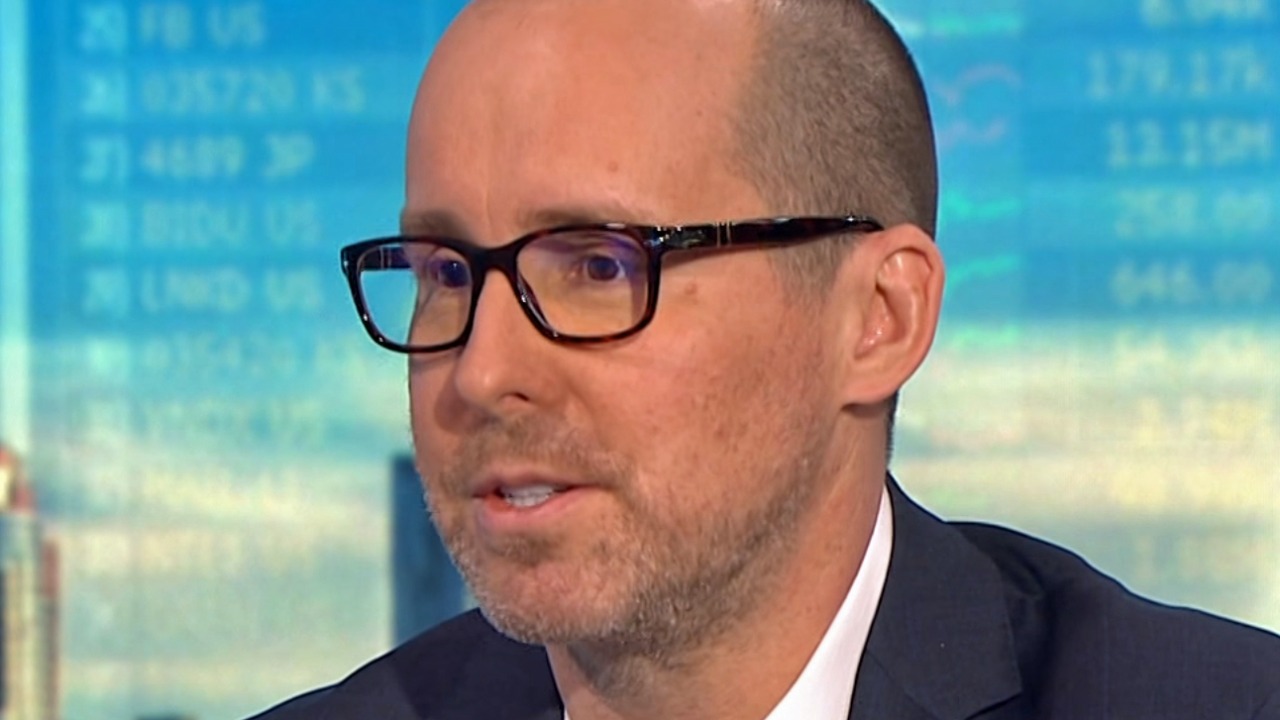
Mark Spitznagel has spent years warning that the current boom in United States Stocks is less a victory lap and more a prelude to a brutal reckoning. He now says he does “expect an 80% crash” in equities, even as he allows that markets may lurch higher first. I see his message as less a doomsday prophecy and more a blunt reminder that investors still have time to build hedges before the music stops.
The core of the argument is simple: if the greatest bubble of our lifetimes is inflating, then the real risk is not missing the last leg up, it is being fully exposed when it finally bursts. Hedging that possibility does not mean abandoning growth or trying to time the top, it means deliberately sacrificing a small slice of upside today to avoid catastrophic losses later.
Why Spitznagel thinks an 80% crash is on the table
Mark Spitznagel is not a social media pundit lobbing casual forecasts, he is an American hedge fund manager whose career has been built around profiting from rare, violent market breaks. As founder of Universa Investments, he has described his own approach as a form of tail risk hedging that accepts regular small losses in exchange for huge payoffs when markets seize up, a philosophy he traces back to Daniel Bernoulli and even calls Bernoulli “Universa’s Patron Saint” in his intellectual framework for risk. That background matters because it explains why he is willing to sound alarms about what he has called the “greatest bubble” in history, arguing that years of easy money and policy intervention have pushed asset prices far beyond what underlying cash flows justify, a setup he sees as a prelude to a significant reversal, as outlined in profiles of Mark Spitznagel.
In interviews, Spitznagel has been explicit about the scale of damage he envisions. He has told Reuters that he expects an “80% crash” in United States Stocks when the cycle finally turns, and he has repeated that same “80% crash” figure in other conversations, stressing that he does not believe the initial bouts of volatility investors have seen are the real event. In one widely cited exchange he called the current environment “a trap,” warning that the rally could lure in even more capital before the eventual collapse, a point he underscored again when he said “I expect an 80% crash when this is over. I just don’t think this is it. This is a trap,” a line that has been quoted in coverage of his Apr comments.
The track record behind the warning
Spitznagel’s credibility on market crashes rests on more than rhetoric. As an American investor he has spent decades refining strategies that are designed to lose a little money most of the time but deliver enormous gains when markets fall apart, a pattern that played out dramatically during the early stages of the COVID crisis. Universa Investments, the “black swan” fund he founded, reportedly generated a 4,144% return during that period for certain tail risk positions, a staggering figure that has been cited in coverage of his performance and that helps explain why his views on systemic risk carry such weight among professionals who follow Mark Spitznagel.
That history is central to how I interpret his current warnings. When someone whose capital has been over 100% exposed to market crashes in the past says he sees another “80% crash” ahead, he is not simply guessing, he is extrapolating from a framework that has already paid off in extreme environments. In a recent “Must Read” feature, Spitznagel again told Reuters that he does “expect an 80% crash,” while also acknowledging that United States Stocks might surge again before the downturn, a nuance that reinforces his view that the current rally is part of the problem rather than evidence that the danger has passed.
How tail risk hedging actually works
To understand how to respond to Spitznagel’s warning, it helps to unpack the tail risk hedging playbook he helped popularize. At its core, tail risk hedging is about deliberately building portfolios that are robust to rare but severe market outcomes, even if that means accepting a steady drip of small losses in normal times. In practice, that often involves buying long-dated put options on broad equity indexes, volatility futures, or other instruments that tend to spike when markets crash, while keeping the bulk of capital in traditional assets like stocks and bonds. Spitznagel’s own strategy has been described as a complex approach that loses money regularly but yields outsized gains when markets experience a sudden break, a pattern that has been highlighted in discussions of his tail risk hedging methods.
There is a growing body of more formal research around this idea as well. The book Tail Risk Hedging lays out how investors can Generate profits from volatility and illiquidity during tail risk events in equity and credit markets, treating hedging not as a drag but as a potential source of return when markets are most stressed. Another resource, available through Apple Books, describes how Vineer Bhansali and his team at PIMCO spent more than a decade building strategies aimed at benefiting from rare yet severe market outcomes, reinforcing the idea that tail hedging is not a fringe concept but a discipline that large institutions have been refining for years.
Practical hedges for everyday investors
For individual investors, the question is how to translate these institutional playbooks into something workable in a brokerage account or retirement plan. I see three broad levers. First, there is simple diversification away from pure equity risk, which can include adding high quality bonds, cash-like instruments, or even defensive sectors that tend to hold up better in downturns. Second, there are explicit hedges, such as buying long-dated put options on broad indexes like the S&P 500 or Nasdaq, which can act as insurance if Spitznagel’s “80% crash” scenario materializes. Third, there is position sizing and leverage discipline, which means resisting the temptation to chase the last euphoric gains with borrowed money or concentrated bets, especially in the kind of late-cycle environment Spitznagel has described as a trap in interviews that have been flagged as Must Read.
Spitznagel himself has suggested that the current rally may not be over, and that United States Stocks could even see a euphoric final surge before the eventual collapse. In one recent analysis of Universa’s outlook, he emphasized that “we’re in the middle of that (rally) right now, not at the end of it,” and his firm projected that equities might climb another 20% before a historic market crash, a view that has been associated with Universa. That is precisely why hedging now matters: if the market does melt up first, the cost of protection is likely to rise, and investors who wait for obvious signs of stress may find that the insurance they want is either prohibitively expensive or no longer available in size.
Using data and discipline to avoid panic
Hedging against a potential “80% crash” is not just about instruments, it is about information and behavior. I find that investors who rely on structured data rather than headlines are better able to stick with a plan when volatility spikes. In the consumer world, Google’s Shopping Graph uses billions of data points to map Product information from brands, stores, and other content providers, a reminder of how much raw data can be organized into something usable for decision making. In markets, the equivalent is building a dashboard of indicators that matter for your own risk tolerance, whether that is valuation metrics, credit spreads, or simple drawdown thresholds, instead of reacting to every new prediction that crosses your feed, a discipline that echoes the way Product data is aggregated and filtered for relevance.
Spitznagel’s repeated warnings, including his statement that “I do expect an 80% crash,” are meant to jolt investors out of complacency, not to push them into all-cash bunkers. In one detailed “Must Read” breakdown, he again stressed that United States Stocks may surge again but not for long, and that investors still have a window to protect themselves while they can, a message that has been amplified in coverage of Some of his recent comments. The real hedge, in my view, is a combination of structural protection, like tail risk strategies and diversification, and psychological preparation, so that if the wipeout he fears does arrive, you are reacting from a place of planning rather than panic.
More From The Daily Overview

Grant Mercer covers market dynamics, business trends, and the economic forces driving growth across industries. His analysis connects macro movements with real-world implications for investors, entrepreneurs, and professionals. Through his work at The Daily Overview, Grant helps readers understand how markets function and where opportunities may emerge.

