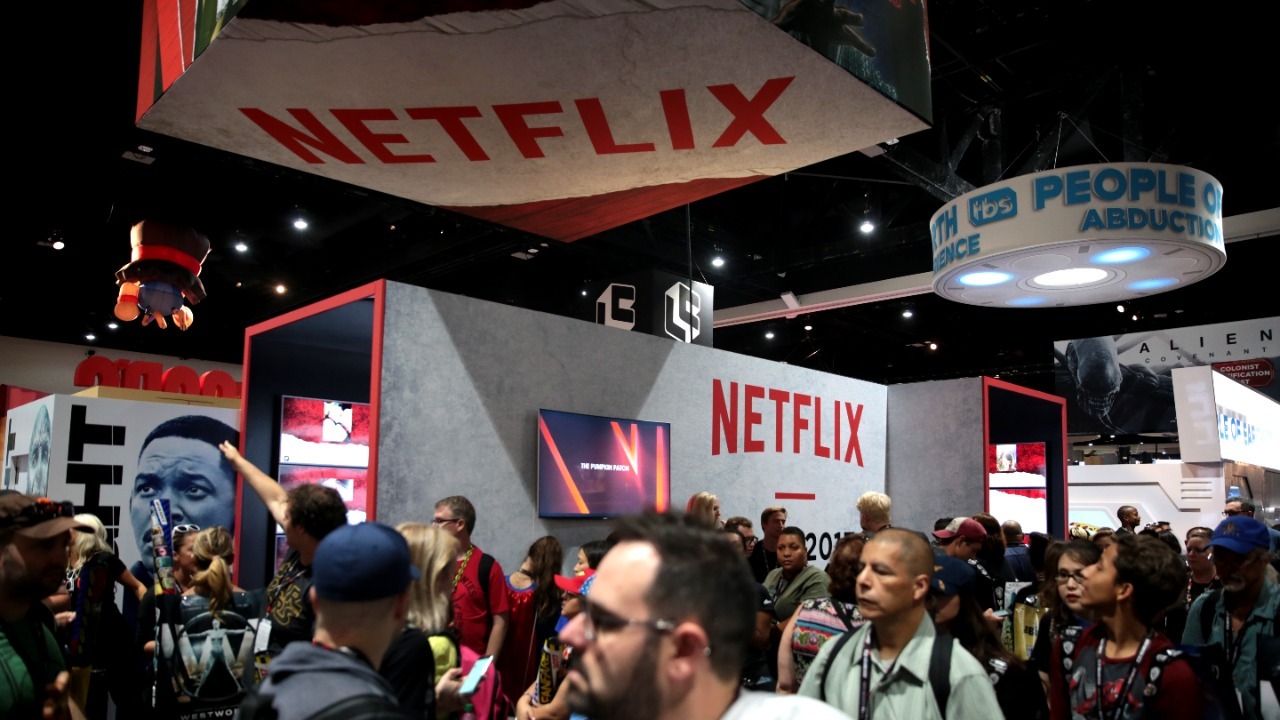
Streaming’s latest power shift is not happening on a soundstage but in boardrooms, where Warner Bros Discovery has walked away from a $161 billion courtship and instead embraced Netflix as its preferred future. The move leaves Paramount Skydance Corporation on the outside looking in and positions Netflix as the buyer of some of Hollywood’s most storied assets just as the industry is being forced to pick winners and losers. I see a landscape where Netflix looks structurally stronger, while traditional conglomerates are being carved up to survive.
Warner Bros Discovery slams the door on Paramount’s $161 billion pitch
The clearest signal that the old media merger script is being rewritten came when the Warner Bros Discovery board of directors told investors to walk away from Paramount’s cash. In a formal notice, the DISCOVERY BOARD OF that shareholders reject the amended Paramount tender offer, a rare public rebuke in a sector that usually prefers quiet negotiations. That stance was echoed in a separate corporate statement where the Warner Bros Discovery, underscoring that this was not a split decision but a strategic line in the sand.
Paramount Skydance Corporation has not backed down, insisting from LOS ANGELES and NEW YORK that it is still committed to a superior $30 per for Warner Bros Discovery shareholders. Yet the latest reporting on the saga notes that, even as Paramount Skydance and David Ellison keep pushing, the Latest Warner Bros keeps the deal at arm’s length. I read that as a bet that Warner’s assets are worth more in a different configuration than as part of a traditional studio mash-up.
Why Warner chose Netflix over a richer cash bid
Walking away from a $161 billion headline number only makes sense if management believes a different partner can unlock more value, and that is where Netflix enters. Under the newly announced 2026 plan, 2026 structure, the Studios and DTC divisions are being sold to Netflix, while the Networks business is carved out separately, a design that lets Warner Bros Discovery shed years of post merger losses tied to streaming. That split is not theoretical; earlier plans already had Warner Bros Discovery preparing to separate its streaming and cable operations into two publicly traded companies, with Warner Bros Discovery confirming that streaming and studios would sit apart from the legacy networks unit.
That restructuring logic was reinforced when another report described how Discovery would house profitable digital products such as Discovery+ and Bleacher Repor inside the streaming-focused entity, while the networks business absorbed the declining cable side. A separate account of the breakup captured the same pivot, noting that Warner Bros Discovery is breaking itself into two public companies as part of a broader media shakeup. In that context, choosing Netflix as the buyer of Studios and DTC looks less like a snub of Paramount Skydance Corporation and more like the final step in a multi year plan to separate growth assets from legacy channels.
Netflix’s deal structure and stock reaction show its growing leverage
For Netflix, acquiring Warner’s Studios and DTC operations is not just about bragging rights, it is about deepening a model that already leans on diversified subscription tiers and global scale. Analysts tracking the company highlight how Direct Consumer Subscriptions remain the primary revenue driver, split into Standard, Premium, and an ad supported tier that attracts advertisers and reduces churn. Another investor focused breakdown argues that the Netflix Warner Bros combination might perform better than most media mergers because the two businesses share similar direct to consumer DNA, with Netflix and Warner both built global brands around subscription streaming rather than cable bundles.
Markets have already started to price in that leverage, even if the initial reaction was choppy. When the transaction was announced, Netflix stock dipped while WBD shares hit a three year high, yet both companies stressed that they expect Netflix’s deal with to close in 12 to 18 months, following the already planned corporate split by mid 2026. The market’s whiplash reflects a familiar pattern: sellers get an immediate pop as uncertainty clears, while buyers are punished for taking on integration risk. I see that as a short term reaction that obscures the longer term reality that Netflix is consolidating premium content at a moment when rivals are still arguing over who should own what.
Inside the breakup: what Warner is really selling to Netflix
To understand why Netflix looks stronger coming out of this, it helps to look closely at what Warner is actually handing over. The deal jolted Hollywood and jumbled expectations about Warner’s next steps because Netflix is set to buy Warner Bros and, effectively absorbing the studio that controls DC films, a vast library of classic movies, and the prestige television engine behind series like “Succession” and “The Last of Us.” That content will be layered on top of Netflix’s existing slate, giving it a deeper bench in genres where it has sometimes lagged, such as big budget tentpole franchises and premium cable style dramas.
The streaming side of the handoff is just as consequential. HBO Max has already been through multiple reinventions, and the Netflix Warner tie up raises the question of whether the service will survive as a standalone brand. One detailed analysis of the merger asks whether the deal will kill HBO Max for good, noting that HBO Max has undergone multiple changes since 2020, including shifts in ownership and strategy, and suggests that Warner content could instead be folded into a single Netflix portal. If that happens, Netflix would not just own the shows, it would own the customer relationship for some of the most loyal streaming audiences in the world.
Winners, losers, and the risk that the market is mispricing WBD
All of this leaves Warner Bros Discovery shareholders in an awkward middle ground, celebrating a higher stock price while staring at a shrinking corporate footprint. When the company first announced its plan to split streaming from cable, Warner Bros Discovery shares surged 8 percent as investors cheered a focus on streaming amid cable decline, and executives targeted completion by mid 2026. Yet traders watching the stock now warn that WBD could be “getting exhausted,” with one technical view on WBD flagging that Warner Bro might see a 40 to 50% decline once certain price levels are hit, and even raising possible anti trust issues around the Netflix transaction.
From my vantage point, that tension captures the broader streaming shakeup: legacy media is being forced to sell crown jewels to stay afloat, while Netflix uses its stronger balance sheet and subscription engine to bulk up. Earlier coverage of the breakup emphasized that Warner would split into two companies, with one focused on streaming and studios and the other on networks, and that structure is now being stress tested in real time. If regulators sign off and integration goes smoothly, Netflix will emerge as an even more dominant gatekeeper for global entertainment, while the remaining networks business at Warner Bros Discovery is left to fight for relevance in a shrinking cable universe.
More From The Daily Overview

Grant Mercer covers market dynamics, business trends, and the economic forces driving growth across industries. His analysis connects macro movements with real-world implications for investors, entrepreneurs, and professionals. Through his work at The Daily Overview, Grant helps readers understand how markets function and where opportunities may emerge.

