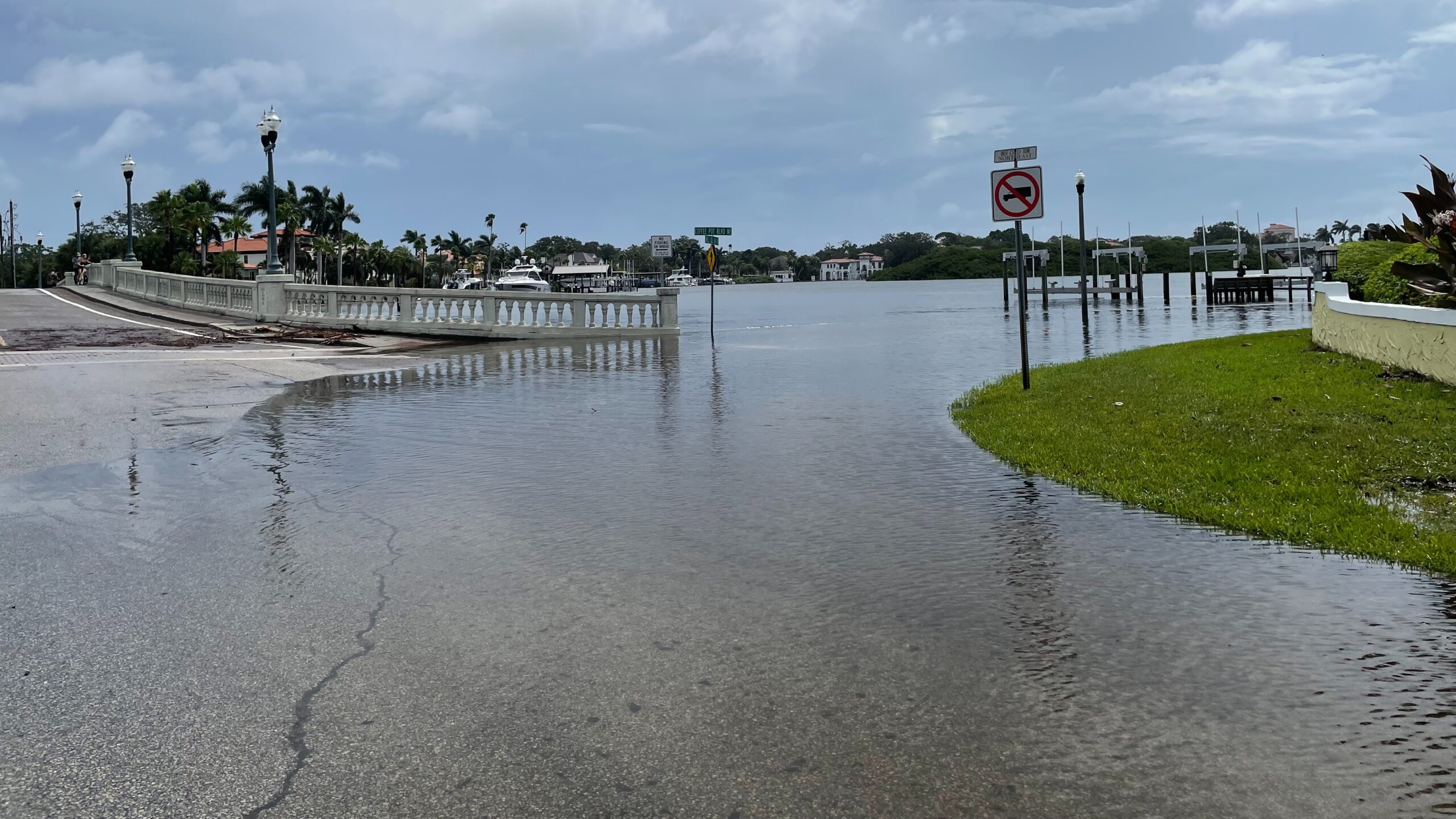
St. Petersburg is moving from sandbags to buyouts, betting that paying people to leave the most flood battered blocks will cost less than rebuilding them again and again. The city’s new plan centers on purchasing flood prone homes, steering residents toward safer ground while reshaping low lying neighborhoods into buffers against future storms.
Instead of waiting for the next disaster to wipe out the same streets, officials are trying to make retreat a realistic option, especially for households that can least afford another loss. I see a city testing whether a carefully targeted buyout strategy can double as both climate adaptation and housing policy, without pricing longtime residents out of their own community.
The $160 million bet on recovery and retreat
At the heart of the strategy is a sweeping disaster recovery package that St. Petersburg is still stitching together, a plan that pairs home repairs with the option to walk away. City leaders are finalizing the second phase of what has been described as a $160 m recovery effort, with housing assistance, infrastructure fixes and neighborhood level investments all on the table. Within that broader push, the city is carving out money specifically to acquire homes that have been repeatedly inundated, turning individual buyouts into a central tool rather than a side experiment.
Another strand of reporting describes the same initiative as a $160 million disaster recovery plan, underscoring just how much money is now being steered toward reshaping the city’s most vulnerable areas. A separate breakdown of the package highlights a $162 million figure for the overall disaster recovery plan, a small discrepancy that reflects how the package has evolved as federal dollars and local priorities have been refined. What is consistent across the accounts is that St. Petersburg is committing nine figure sums to a mix of rebuilding and retreat, with buyouts no longer treated as a fringe idea.
Inside the Sunrise St. Pete buyout offer
The most concrete expression of that shift is Sunrise St. Pete, a federally funded initiative that puts cash on the table for storm damaged homeowners who are ready to leave. In its first phase, Sunrise St. Pete is structured to give storm affected residents up to $375,000 for recovery and relocation, a figure that can make the difference between being trapped in a damaged house and being able to start over somewhere safer. The program is designed so that Participants receive the post storm fair market value of their homes, capped at $400,000, plus cash relocation incentives that help cover the real costs of moving.
City materials emphasize that those same Participants will receive that post storm fair market value up to $400,000, a detail that matters in neighborhoods where values were already rising before the water came in. Administrators have argued that the scale of interest is actually helpful, with one official saying that “the good news is that it is going to make our competitive process work very well” because it is “not just a handful of people” who want to participate, a point reflected in coverage of how Participants are lining up. The program’s branding as Sunrise St. Pete, often shortened in documents to Sunrise St, Pete, signals that the city sees this as a long term reset rather than a one off payout tied to a single storm.
Who qualifies, and why equity is built into the rules
For all the attention on dollar amounts, the fine print about who can actually access a buyout may matter even more. A key component of the broader disaster recovery plan is a $5 million Voluntary buyout program that would allow the city to purchase about 14 of the highest risk properties, a small but symbolically important slice of the housing stock. Reporting on the same package describes St. Petersburg preparing to roll out a Voluntary buyout program for flood ridden homes as part of its $162 million disaster recovery plan, underscoring that no one will be forced to sell but that the city is actively courting owners in the most flood prone pockets.
Equity is written directly into the acquisition rules. At least 80% of the acquisition must benefit households earning up to 80% of the area median income, a requirement that aims to keep the bulk of the money flowing to low and moderate income residents rather than to speculative investors. The same threshold appears again in guidance that says at least 80% of the acquisition must benefit those households, with Administrators recommending that a significant share of the remaining funds be steered to extremely low income residents. Separate coverage of how Petersburg is outlining who could qualify for disaster recovery aid and buyouts, flagged in one summary with the phrase Add Yahoo, reinforces that income limits and flood history will be central filters as applications are reviewed.
Demand, delays and the politics of “voluntary” retreat
Even before the first checks go out, the city is confronting a basic mismatch between need and capacity. City officials have made it clear that demand for help is far greater than they projected and that the process is moving slower than anyone hoped, a reality captured in reporting that notes how the City is struggling to keep up. Another account describes how Buyouts entered the conversation quietly but controversially, with repair and reconstruction aid offered Alongside the option to sell, a pairing that has divided residents and council members who disagree on how aggressively the city should push retreat.
On the ground, that tension shows up in the way people talk about “voluntary” programs that are limited by design. One breakdown of the recovery package notes that the Voluntary buyout program is capped at about 14 homes, a tiny fraction of the properties that have seen water in their living rooms more than once, and that has fueled frustration as Petersburg residents realize that not everyone who wants out will get an offer. Another report on how St. Petersburg outlines who could qualify for disaster recovery aid and buyouts, again tagged in summaries with Petersburg, underscores that the city is trying to balance geographic risk, income, and past damage in deciding which applications rise to the top. The result is a process that feels like a lifeline to some and like a lottery to others, even as officials insist that buyouts are only one piece of a larger safety net.
From flooded blocks to future green space
What happens to the land after a buyout is as important as what happens to the families who leave. City leaders have signaled that the goal is to convert the most flood prone parcels into open space that can absorb water, rather than allowing new construction that would simply reset the clock on the next disaster. One detailed account of the Sunrise St. Pete initiative explains that its first phase will provide storm affected homeowners with up to $375,000 in recovery support, while also tying those acquisitions to long term land use changes that reduce future exposure. Another report on how St. Petersburg is finalizing the second phase of its Petersburg recovery plan notes that homebuyer assistance and affordable housing investments are meant to give residents realistic options in safer neighborhoods, so that retreat does not mean leaving the city altogether.
More From TheDailyOverview
*This article was researched with the help of AI, with human editors creating the final content.

Elias Broderick specializes in residential and commercial real estate, with a focus on market cycles, property fundamentals, and investment strategy. His writing translates complex housing and development trends into clear insights for both new and experienced investors. At The Daily Overview, Elias explores how real estate fits into long-term wealth planning.