The United States has moved to pause immigrant visa processing for a large group of countries, a sweeping step that instantly reshapes who can start a new life in America through family or employment sponsorship. The State Department says the halt is tied to concerns about future reliance on public assistance and national security vetting, but the scale of the decision has stunned immigration lawyers, affected families and foreign governments alike.
Officials describe the measure as temporary while new screening rules are written, yet for applicants already deep into the process, the distinction between a pause and a shutdown may feel academic. I see this as a pivotal test of how far President Donald Trump’s administration is willing to go in using visa policy to pursue its broader agenda on welfare use and migration control.
What the State Department actually announced
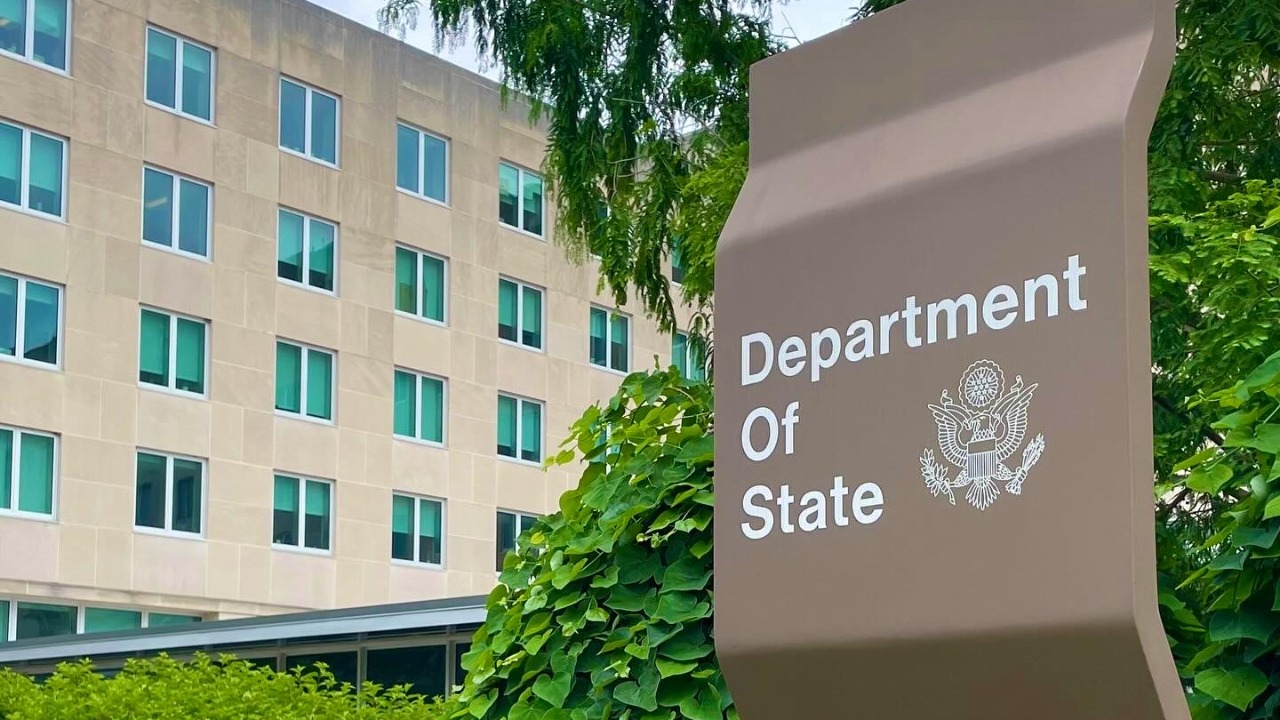
The State Department has confirmed that it will suspend consular immigrant visa processing for nationals of 75 countries, describing the move as a “Suspension of Immigrant Visa Processing” tied to concerns that some new arrivals could rely on U.S. welfare programs. According to agency guidance, the pause will apply at U.S. embassies and consulates worldwide and will cover most family and employment based immigrant categories, with only narrow humanitarian and national interest exceptions. The State Department has framed the decision as a recalibration of how it evaluates the likelihood that future immigrants will become a “public charge,” a term that already plays a central role in green card adjudications.
Officials say the freeze will begin in Jan, with consular posts instructed to stop scheduling new immigrant visa interviews for affected nationalities and to hold off on issuing visas in pending cases. Internal instructions referenced by immigration practitioners indicate that the Department of State will use the pause to design new protocols for assessing public benefits risk, building on earlier processing updates for nationalities deemed at high risk of public benefits usage. I read this as a signal that consular officers will soon be applying a more data driven, country specific lens to questions that were once handled primarily at the individual level.
How this fits into Trump’s broader immigration agenda
The visa halt does not come out of nowhere, it slots into a broader pattern of restrictions advanced under President Donald Trump that link immigration to both security and fiscal risk. Earlier, a Presidential Proclamation ordered a suspension of visa issuance to certain foreign nationals to protect the security of the United States, laying the legal groundwork for category wide pauses with limited exceptions. The Administration has now layered public charge concerns on top of that security rationale, effectively merging two long running priorities into a single, far reaching policy tool.
Reporting on the new measure underscores that the Administration expects the pause to remain in place until new protocols are finalized, not for a fixed short window. In parallel, coverage of the decision has highlighted that the Trump administration is explicitly tying immigrant admissions to its view that some countries send people who draw on American taxpayers “at unacceptable rates.” I see that framing as a deliberate political choice, one that is likely to energize supporters who favor tighter controls while deepening alarm among communities that feel singled out.
Who is affected and how consulates will implement the freeze
While the State Department has not publicly released a full list of all 75 countries, officials and practitioners describe a mix of low and middle income nations across multiple regions. Coverage of the decision notes that the State Department is targeting places where, in its view, immigrants have historically used public assistance at higher rates than others living in the United States. That approach effectively treats country of origin as a proxy for future benefit use, a choice that critics argue risks stereotyping entire populations rather than focusing on individual circumstances.
Consular posts are being instructed to reshuffle their workloads, prioritizing unaffected nationalities and narrow exception cases while putting most other immigrant visa files into a holding pattern. Internal guidance referenced in practitioner alerts indicates that DOS will lean on existing frameworks for how embassies and consulates are prioritizing IV applications, but with a new overlay for the suspended nationalities. From what I can see, that means families from unaffected countries may see their cases move faster, while those caught up in the pause could wait months or longer with little clarity.
Public charge, welfare fears and the politics of numbers
At the heart of the policy is a sharpened focus on who might become a “public charge,” a concept that has long existed in immigration law but has rarely been used to justify such a sweeping, nationality based halt. The State Department’s own materials on high risk nationalities emphasize concerns that some immigrants could rely on U.S. welfare programs, language that is echoed in the new suspension. Officials argue that pausing visas for a large group of countries will give them time to refine data models and screening tools that better predict future benefit usage, though they have not publicly detailed those metrics.
Media coverage has repeatedly cited the figure of 75 affected countries, a number that underscores just how broad the policy sweep is. One report notes that the State Department is framing the pause as a way to reassess immigrant visa processing and reduce what it sees as a strain on public resources, language that aligns with another account citing concerns about public resources. I read those justifications as part fiscal argument, part political messaging, aimed at showing that the Administration is acting aggressively to protect taxpayers even if the underlying data remain contested and, in some respects, unverified based on available sources.
Human impact, travel plans and what applicants can do now
For families and employers caught in the middle, the policy is not an abstraction, it is a sudden rupture in carefully laid plans. Coverage of the decision notes that the State Department Halts Immigrant Visas From Countries Over Public Charge Concerns, language that captures both the bureaucratic and emotional weight of the move. Applicants who have already completed interviews may now find their visas simply not printed, while those waiting for appointments could see their cases pushed indefinitely into the future. I have heard immigration lawyers describe a wave of frantic calls from clients who suddenly realize that a long planned move, a job offer or a family reunification may no longer be on the near horizon.
Even those traveling for short term reasons are being urged to pay close attention to shifting rules. Organizers of major events, such as the ITS America Conference & Expo, already advise international visitors to consult the U.S. Department of State, Bureau of Consular Affairs, for up to date visa guidance, and that advice now feels even more urgent. While the current suspension targets immigrant visas rather than temporary visitor categories, the broader climate of uncertainty means that anyone planning travel to the United States should double check requirements well before booking flights.
Supporting sources: U.S. to stop.
More From The Daily Overview

Silas Redman writes about the structure of modern banking, financial regulations, and the rules that govern money movement. His work examines how institutions, policies, and compliance frameworks affect individuals and businesses alike. At The Daily Overview, Silas aims to help readers better understand the systems operating behind everyday financial decisions.