
Stellantis, a global giant in the automotive industry, recently announced a significant $2.7 billion loss, marking a stark departure from its previously strong financial records. The downturn is attributed to the Trump administration’s tariffs and considerable production cuts, which have collectively strained the company’s operations and financial health.
Impact of Trump Tariffs on Stellantis
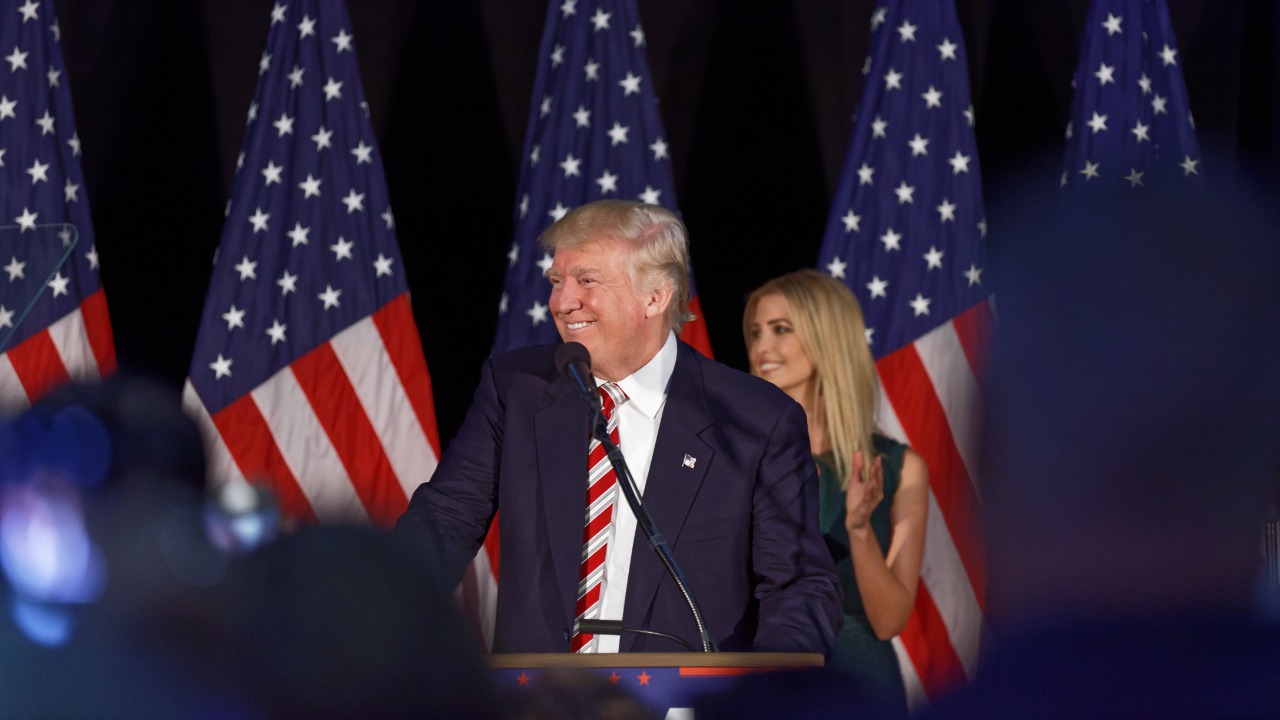
The Trump administration’s tariffs on automotive imports have significantly impacted Stellantis’ cost structure. These tariffs, aimed at boosting U.S. manufacturing, have led to increased costs of imported parts and materials, forcing Stellantis to reassess its pricing strategies. The company now faces higher expenses that cannot easily be passed on to consumers without risking sales.
The global supply chain disruptions caused by these tariffs have exacerbated the situation. Import duties on steel and aluminum have increased production costs, affecting the acquisition of raw materials and parts procurement. Stellantis has had to navigate these challenges while ensuring that its production lines remain operational, albeit at higher costs. This disruption has further strained the company’s financial position, contributing to its substantial loss.
Furthermore, the tariffs have placed Stellantis at a competitive disadvantage compared to non-U.S. based automakers. Competitors in markets not subject to these tariffs can offer more competitive pricing, eroding Stellantis’ market share and profitability. The tariff-induced cost pressures have made it challenging for Stellantis to maintain its competitive edge in the industry.
Production Cuts and Operational Challenges
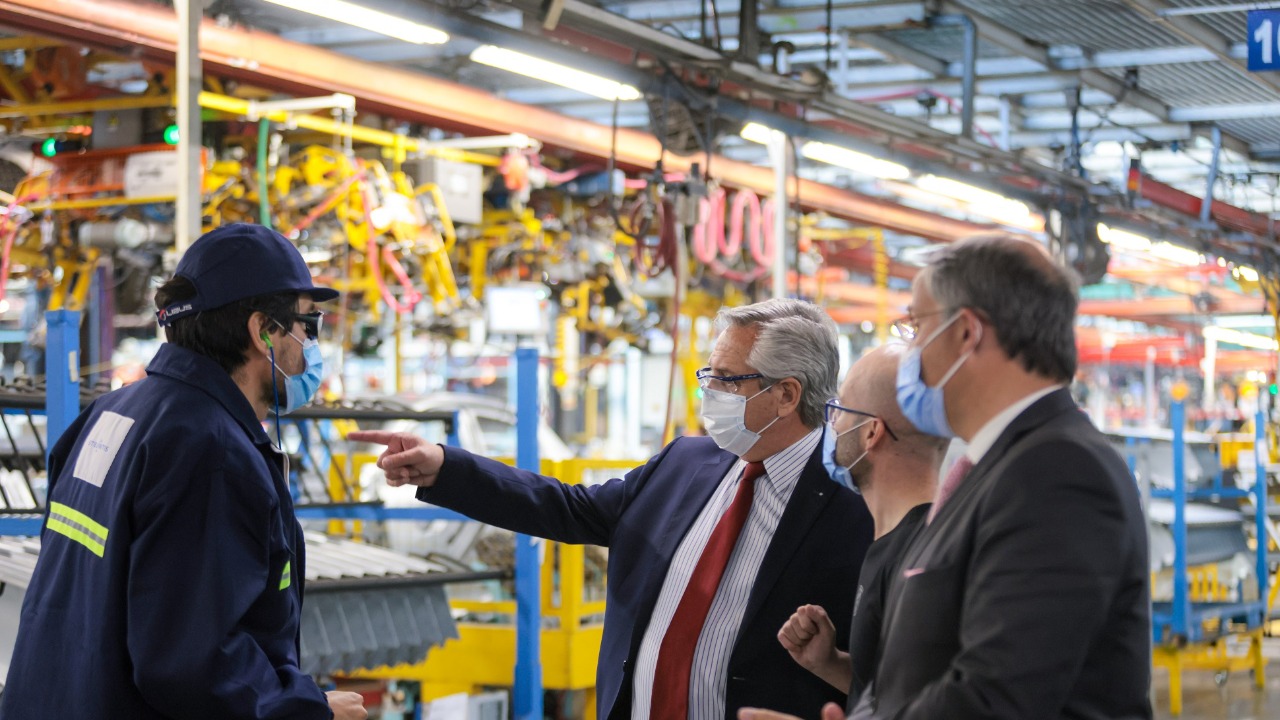
Stellantis’ decision to implement production cuts stems from a combination of declining demand and increased production costs. With the global economic slowdown impacting consumer spending, the company has faced reduced demand for its vehicles. This decline, coupled with rising costs due to tariffs, has forced Stellantis to scale back production to align with market realities.
These production cuts have significant implications for Stellantis’ workforce. Potential layoffs and shifts in labor dynamics are inevitable as the company adjusts to reduced production levels. These changes impact not only the employees but also the communities that rely on Stellantis’ manufacturing facilities for economic stability.
Operational efficiency concerns have also emerged due to the production cuts. Reduced output can lead to underutilization of manufacturing capabilities, affecting the company’s ability to innovate and respond to market demands swiftly. The long-term implications of these challenges could hinder Stellantis’ growth prospects and its ability to compete effectively in the global automotive market.
Market Response and Future Outlook

The financial markets have reacted swiftly to Stellantis’ financial results. The company’s stock price has experienced volatility, reflecting investor concerns over its ability to navigate these challenges. Investor confidence has been shaken, prompting questions about Stellantis’ strategic direction and its ability to recover from this setback.
In response, Stellantis is exploring strategic adjustments to mitigate the impacts of tariffs and production cuts. Cost-cutting measures, diversification of supply chains, and potential restructuring are among the initiatives being considered. These efforts aim to enhance operational resilience and stabilize financial performance in the face of ongoing challenges.
Looking ahead, Stellantis is focused on developing recovery plans to stabilize its financial standing. The company is evaluating opportunities to enhance efficiency, innovate in product offerings, and expand into new markets. While challenges persist, Stellantis is committed to navigating this difficult period and positioning itself for long-term growth and success in the automotive industry.

Grant Mercer covers market dynamics, business trends, and the economic forces driving growth across industries. His analysis connects macro movements with real-world implications for investors, entrepreneurs, and professionals. Through his work at The Daily Overview, Grant helps readers understand how markets function and where opportunities may emerge.

