
In a consumer-driven world, the No-Buy 2025 movement is gaining traction as individuals seek to declutter, save money, and reduce their environmental footprint. This article provides essential survival tips to help you navigate the challenges and rewards of a year-long commitment to not buying non-essential goods. Whether you’re a seasoned minimalist or a curious beginner, these strategies will support you on your journey.
Understanding the No-Buy Movement

The motivations behind the No-Buy movement are as diverse as the individuals who embrace it. Many are drawn to the prospect of achieving financial freedom by curbing unnecessary spending. This not only helps in building savings but also reduces the mental burden associated with debt. Environmental conservation is another strong motivator, as the movement aligns with sustainable living by minimizing waste and promoting conscious consumption. Simplified living, free from the clutter of material possessions, is increasingly appealing in a world that often equates success with accumulation.
Psychologically, adopting a no-buy lifestyle can lead to reduced stress and increased mindfulness. Studies have shown that living with less can improve mental health by fostering a sense of control over one’s environment and finances. This approach encourages individuals to focus on experiences rather than possessions, cultivating a deeper sense of satisfaction and well-being. However, it’s essential to debunk common misconceptions about the movement. Many believe a no-buy year equates to deprivation or extremism, but in reality, it’s about making intentional choices and prioritizing what truly adds value to one’s life.
Preparing for Your No-Buy Year
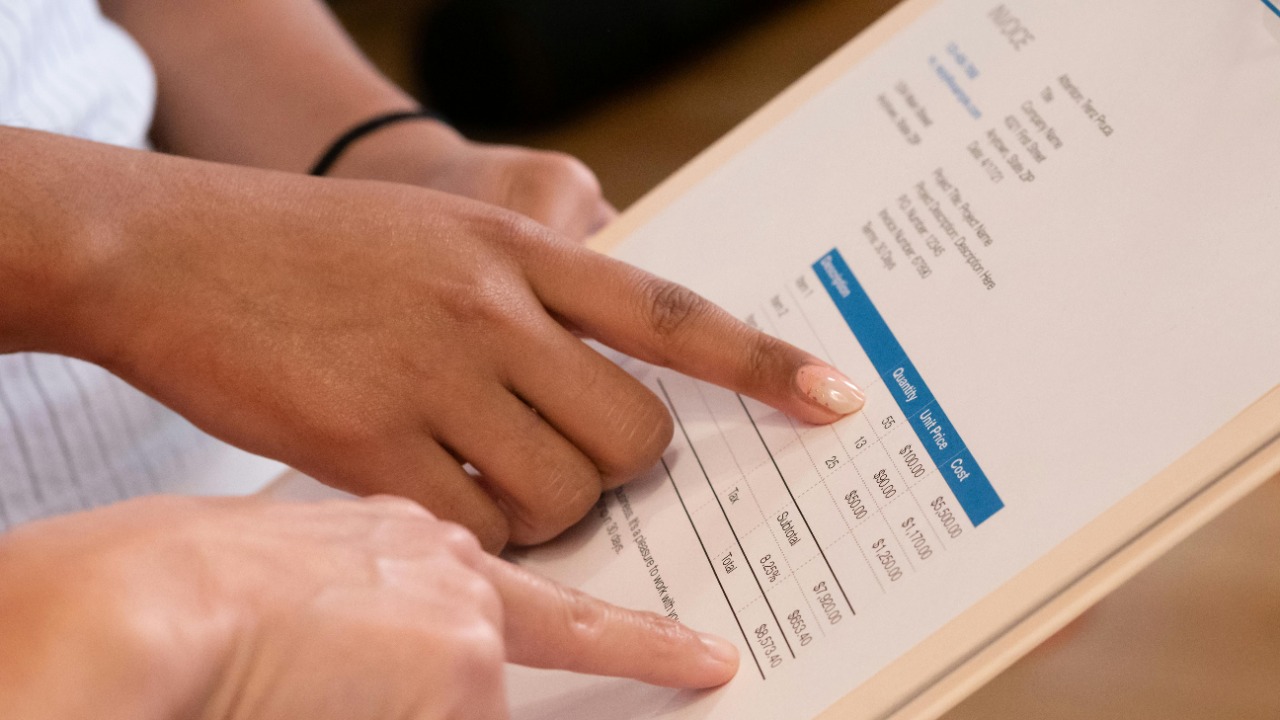
Before embarking on a no-buy year, it’s crucial to evaluate your current spending habits. Tracking expenses for a month can reveal patterns and areas where you may tend to overspend. This insight will help you set realistic goals and guidelines for your no-buy year. Clearly defining what constitutes a ‘need’ versus a ‘want’ is essential. For instance, while groceries and healthcare are non-negotiable, dining out and new clothes might fall into the ‘want’ category, depending on personal priorities.
Building a support system can significantly enhance your chances of success. Engaging with online communities, such as Reddit’s No-Buy group, provides encouragement and accountability. Sharing experiences and challenges with others on the same journey can offer valuable insights and motivation. Additionally, involving family or friends who understand your commitment can help create a supportive environment, reinforcing your resolve during moments of doubt.
Sustainable Strategies for Success
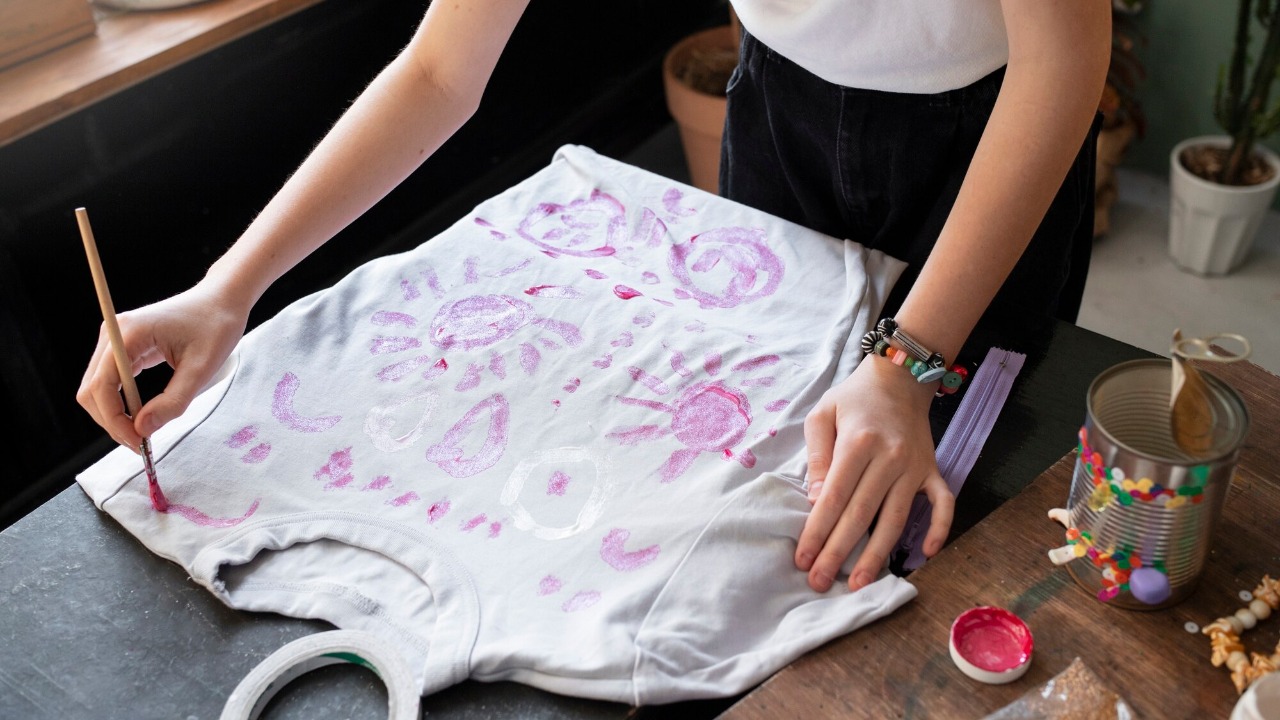
Embracing creativity and resourcefulness is key to thriving during your no-buy year. Repurposing items and undertaking DIY projects not only save money but also add a personal touch to your belongings. For example, turning old t-shirts into reusable grocery bags or refurbishing furniture can be both satisfying and practical. Exploring free resources, such as libraries or community events, can also provide entertainment and enrichment without the need for spending.
Adopting mindful consumption habits is another effective strategy. The 30-day rule, where you wait for a month before making a purchase, can help curb impulse buying. Practicing gratitude for what you already have and engaging in mindful shopping exercises can shift your focus from acquiring more to appreciating existing possessions. Additionally, managing temptations is crucial for maintaining your commitment. Avoiding marketing traps, unsubscribing from promotional emails, and setting spending alerts can prevent unplanned purchases and keep your goals on track.
Maintaining Motivation Throughout the Year
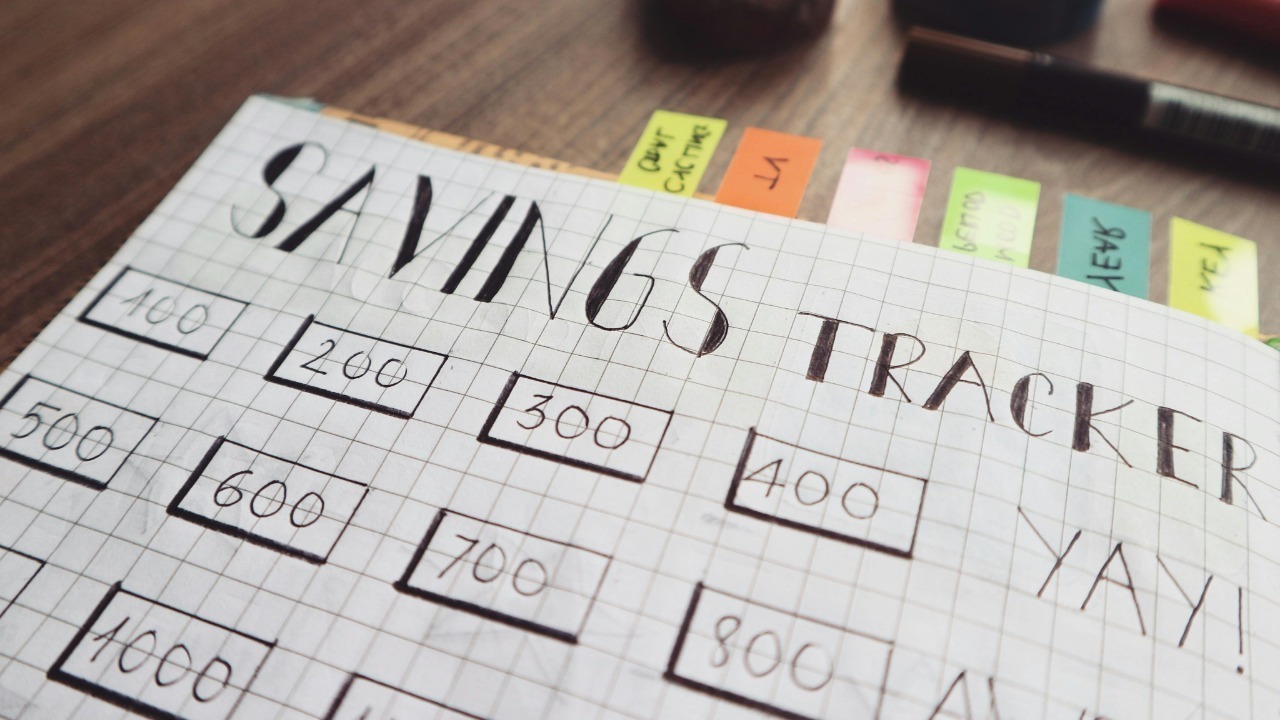
Maintaining motivation throughout your no-buy year requires a proactive approach. Celebrating small victories, such as reaching a savings milestone or successfully avoiding an impulse purchase, reinforces positive behavior. Monthly reflections or reward systems can help you acknowledge progress and stay motivated. Revisiting your motivations regularly, such as the desire for financial freedom or environmental conservation, can remind you of the benefits you hope to achieve.
Overcoming setbacks is an inevitable part of the journey. Slip-ups may occur, but it’s essential to handle them with grace and avoid guilt. Reflecting on what led to the lapse can provide insights for future prevention. Getting back on track quickly and focusing on your long-term goals will help you persevere despite occasional setbacks. Remember, the no-buy year is a personal journey, and flexibility is crucial for adapting to changing circumstances.
Reflecting on Your No-Buy Experience

As the year progresses, it’s valuable to assess personal growth and changes in your relationship with money and material goods. Consider how your perceptions and priorities have evolved, and what lessons you’ve learned. This reflection can guide future decisions and strengthen your commitment to living intentionally. Planning for the future involves incorporating learned habits into everyday life post-no-buy year. Setting new financial or personal growth goals can continue the momentum and ensure lasting change.
Finally, sharing your journey can inspire and support future no-buy participants. Documenting your experiences, whether through a blog, social media, or community forums, provides a platform for reflection and connection. By sharing your story, you contribute to a growing movement that values mindfulness, sustainability, and intentional living. Your insights and successes can empower others to embark on their own no-buy adventures, creating a ripple effect of positive change.

Cole Whitaker focuses on the fundamentals of money management, helping readers make smarter decisions around income, spending, saving, and long-term financial stability. His writing emphasizes clarity, discipline, and practical systems that work in real life. At The Daily Overview, Cole breaks down personal finance topics into straightforward guidance readers can apply immediately.
