
A recent survey conducted by Auto Research Group in September 2023 reveals that 45% of SUV owners in the United States regret their purchase, citing high fuel costs and maintenance issues as primary concerns. The study, which surveyed 2,000 SUV owners across major US cities such as New York, Los Angeles, and Chicago, highlights a significant shift in consumer sentiment towards these popular vehicles.
Rising Fuel Costs
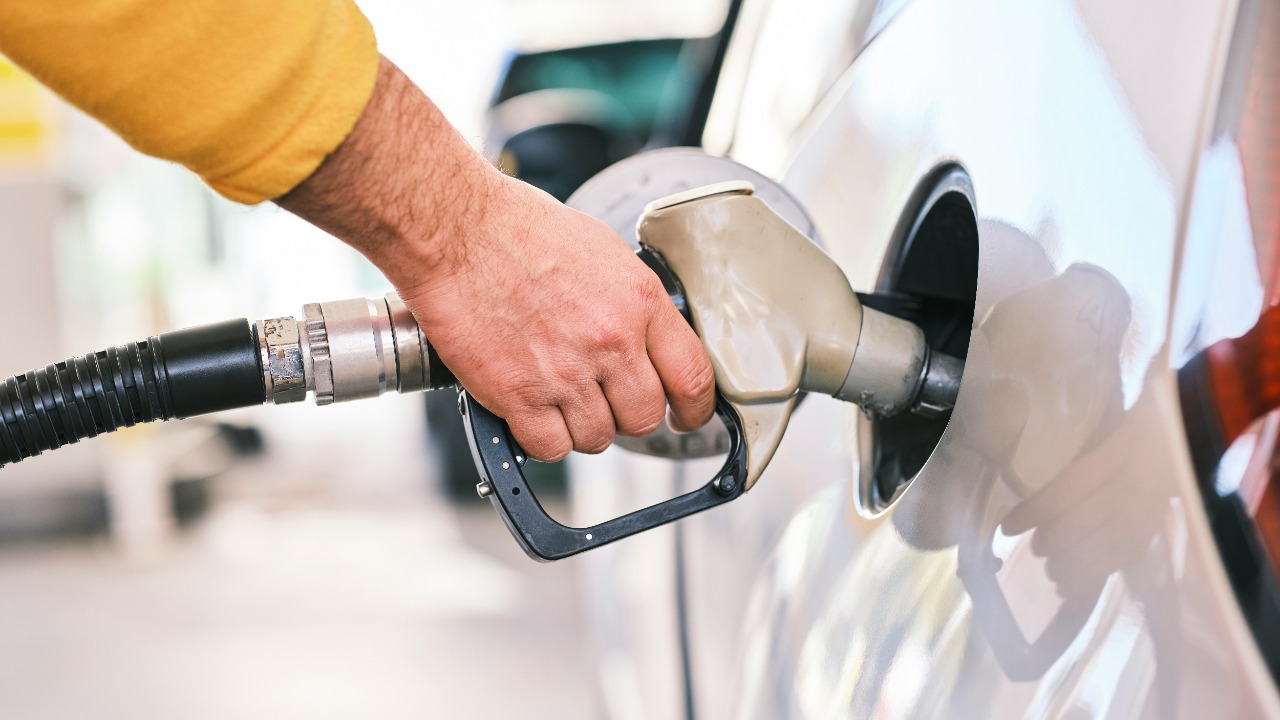
Many SUV owners report that the increasing gas prices are a major factor in their regret. Over the past year, gas prices have risen by 20%, significantly impacting the monthly budgets of those who own these larger vehicles. According to AAA, the average fuel cost for SUVs in 2023 is $4.00 per gallon, compared to $3.30 per gallon for sedans, leading to higher monthly expenses for SUV owners. This disparity in fuel costs is becoming a critical issue for many who initially chose SUVs for their spaciousness and perceived safety benefits.
The financial burden of fueling an SUV is compounded by the fact that these vehicles generally have lower fuel efficiency compared to smaller cars. As gas prices continue to climb, the cost of operating an SUV becomes increasingly prohibitive for many families. This trend is prompting a reevaluation of vehicle choices, with some owners considering more fuel-efficient alternatives to mitigate these rising expenses.
In addition to the direct financial impact, rising fuel costs are influencing broader economic behaviors among SUV owners. Many are adjusting their driving habits, opting for carpooling or reducing non-essential travel to manage expenses. This shift in behavior is also reflected in the increased interest in public transportation and ride-sharing services as viable alternatives to personal vehicle use. The economic strain is not only affecting individual households but also prompting discussions on a national level about energy policies and the need for sustainable fuel solutions.
Maintenance and Repair Challenges
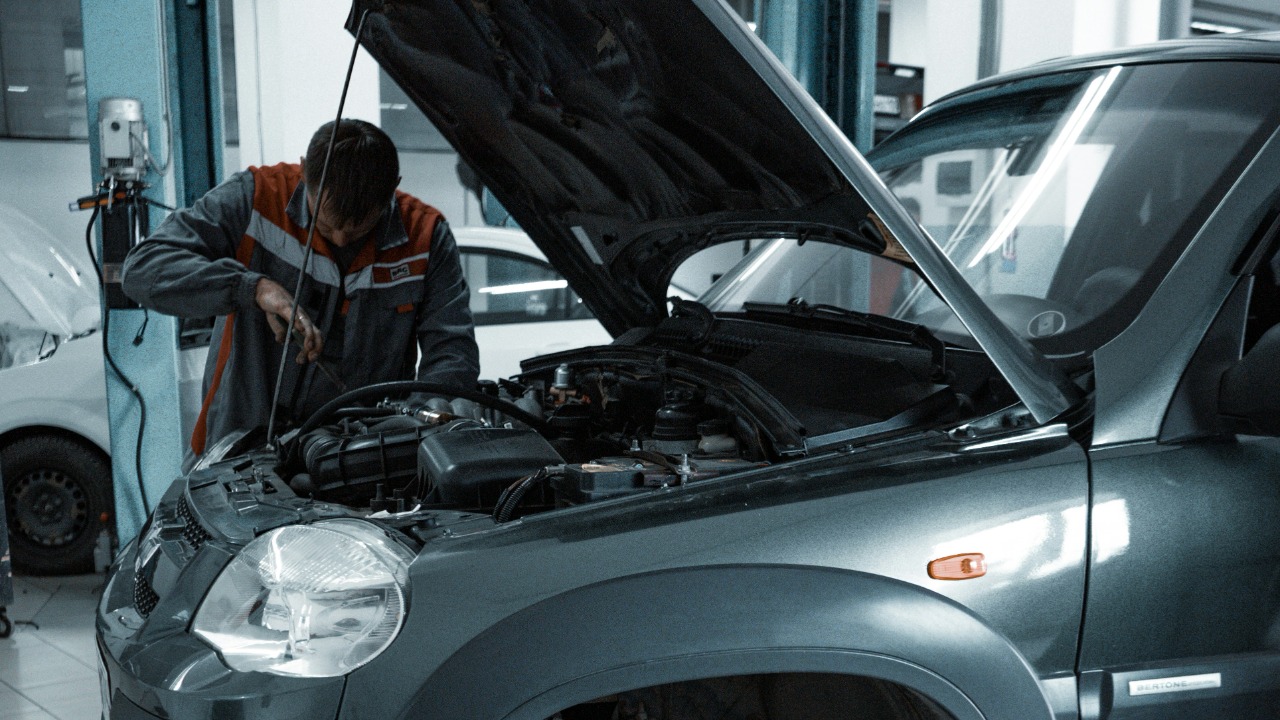
The survey indicates that 35% of SUV owners find maintenance costs higher than expected, with average annual maintenance costs exceeding $1,200. This figure highlights a significant gap between initial expectations and the reality of owning an SUV. Frequent mechanical issues further exacerbate this problem; for instance, 25% of respondents experienced transmission problems within the first three years of ownership. Such issues not only increase maintenance costs but also contribute to the overall dissatisfaction among SUV owners.
These maintenance challenges are not limited to mechanical failures. The cost of routine services, such as oil changes and tire replacements, tends to be higher for SUVs due to their size and complexity. As a result, many owners are finding that the long-term financial commitment of maintaining an SUV is more burdensome than anticipated, leading to increased regret over their purchase decision.
Beyond the immediate financial implications, the higher maintenance costs associated with SUVs are affecting resale values. Vehicles with a history of frequent repairs or significant maintenance issues tend to depreciate faster, leading to lower trade-in values. This depreciation is a growing concern for owners who initially viewed their SUV as a long-term investment. Additionally, the complexity of modern SUVs, with advanced electronics and specialized components, often requires more expensive diagnostic tools and skilled labor, further driving up repair costs and contributing to owner dissatisfaction.
Environmental and Ethical Concerns
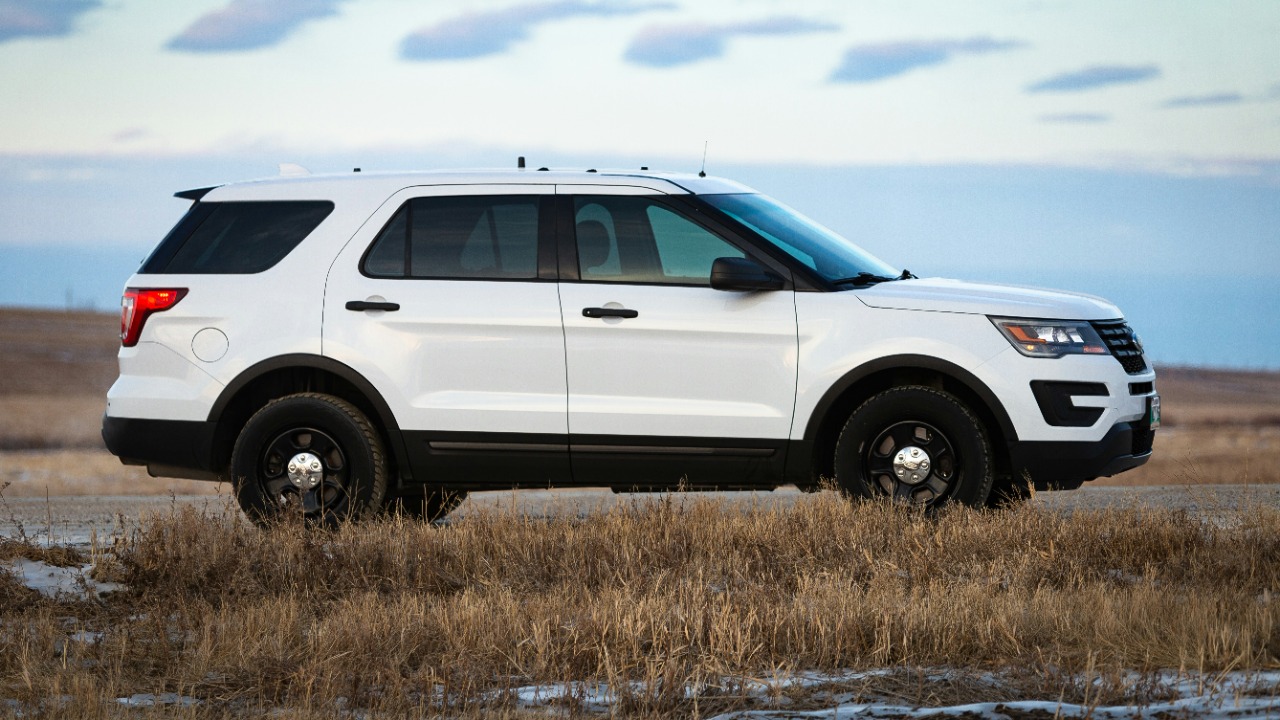
A growing awareness of environmental impact is leading to regret, with 30% of surveyed owners expressing concern over the carbon footprint of SUVs. This concern is particularly pronounced among younger SUV owners, especially those under 35, who are more likely to feel guilty about their vehicle’s environmental impact. The environmental implications of driving an SUV, including higher emissions and greater fuel consumption, are becoming more significant factors in the decision-making process for many consumers.
The shift in consumer attitudes towards environmental responsibility is influencing the automotive market. As awareness of climate change and sustainability grows, more individuals are reconsidering the ethical implications of their vehicle choices. This trend is prompting a broader discussion about the role of personal transportation in contributing to environmental degradation and the steps that can be taken to reduce one’s carbon footprint.
Moreover, the environmental concerns associated with SUVs are not limited to emissions alone. The production process of larger vehicles typically requires more resources, from raw materials to energy consumption, compared to smaller cars. This broader environmental impact is becoming a critical consideration for environmentally conscious consumers. As a result, there is a growing demand for transparency from manufacturers regarding the sustainability of their production practices. This demand is part of a larger movement towards corporate accountability in environmental stewardship, influencing how companies approach vehicle design and production.
Shifts in Consumer Preferences
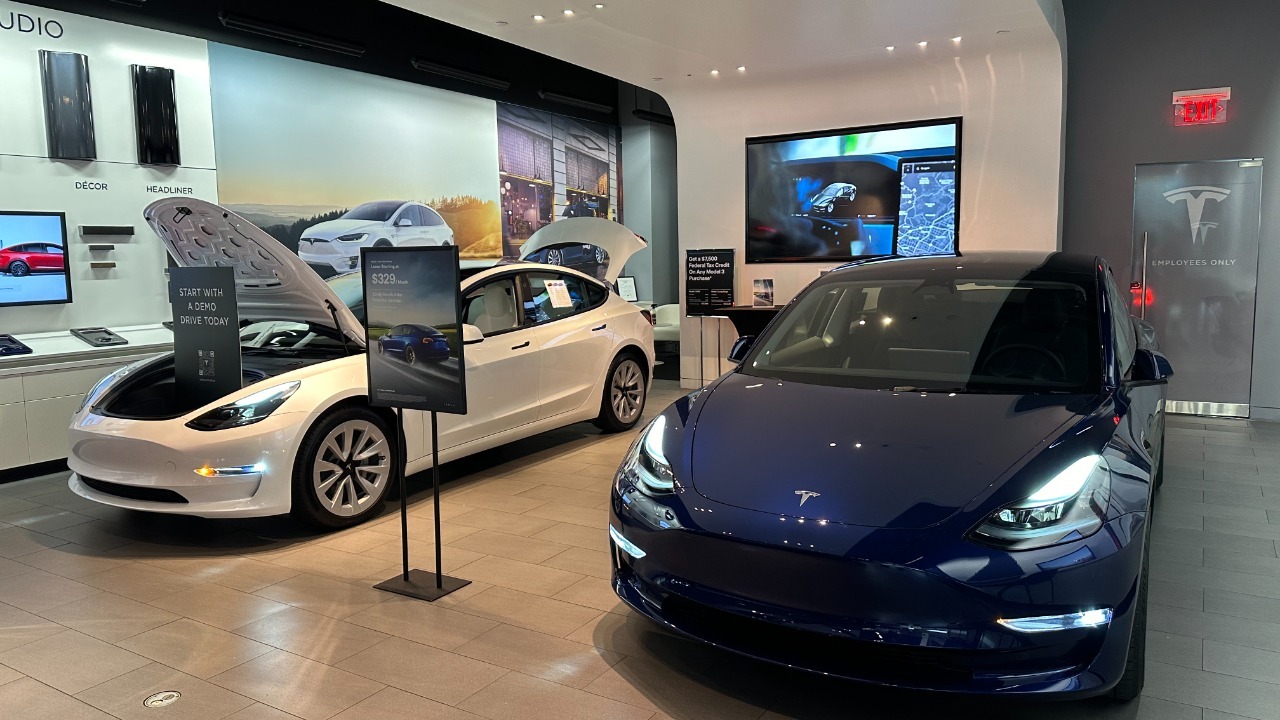
The study found that 40% of SUV owners are considering switching to more fuel-efficient vehicles such as hybrids or electric cars within the next two years. This shift in consumer preferences reflects a growing desire for sustainability and cost-effectiveness in personal transportation. Industry analysts from Green Car Reports suggest that this trend could lead to a 15% decline in SUV sales by 2025, as consumer preferences shift towards sustainability.
As more consumers prioritize environmental and economic considerations, the automotive industry is responding with an increased focus on developing and promoting alternative fuel vehicles. The potential decline in SUV sales underscores the need for manufacturers to adapt to changing market demands by offering a wider range of eco-friendly options. This evolution in consumer preferences is likely to shape the future of the automotive industry, driving innovation and encouraging the adoption of cleaner technologies.
Furthermore, the shift towards more sustainable vehicle options is being supported by government incentives and policies aimed at reducing carbon emissions. Tax credits and rebates for electric and hybrid vehicles are making these alternatives more financially accessible to a broader range of consumers. This governmental support is crucial in accelerating the transition towards greener transportation solutions. Additionally, advancements in battery technology and charging infrastructure are making electric vehicles more practical for everyday use, further encouraging consumers to make the switch from traditional SUVs.

Cole Whitaker focuses on the fundamentals of money management, helping readers make smarter decisions around income, spending, saving, and long-term financial stability. His writing emphasizes clarity, discipline, and practical systems that work in real life. At The Daily Overview, Cole breaks down personal finance topics into straightforward guidance readers can apply immediately.

