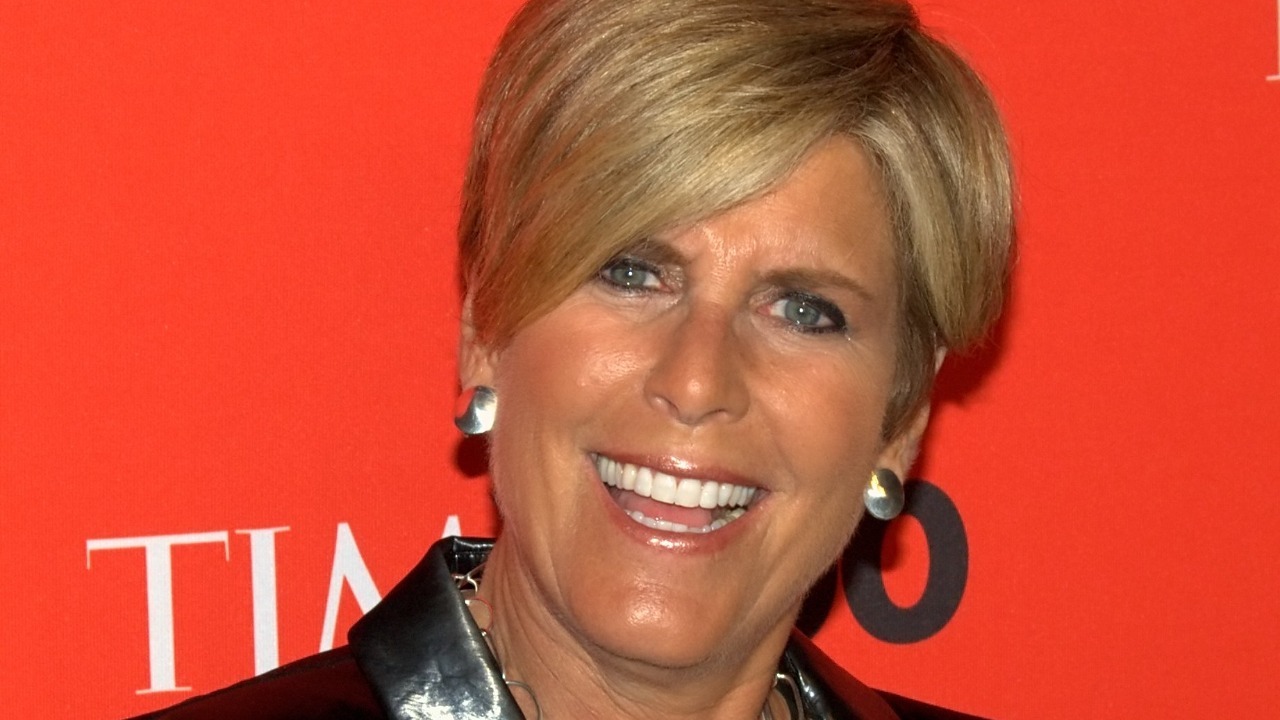
Financial expert Suze Orman has long been a vocal advocate for delaying Social Security benefits, particularly for those who can afford to wait. Her advice is grounded in the potential for significantly higher lifetime payouts by postponing benefits until age 70, rather than claiming as early as 62. Orman emphasizes that despite concerns about the program’s future, “payments will not stop,” urging older Americans to carefully consider their options. Her guidance is particularly relevant for those weighing the decision of whether to start benefits at 67 or 70, and she highlights six key factors to consider before making this crucial decision.
Suze Orman’s Core Recommendation on Delaying Benefits
Suze Orman’s primary recommendation is clear: delaying Social Security benefits until full retirement age or later can maximize monthly payments. In her recent commentary, Orman bluntly advises that waiting can lead to a substantial increase in benefits. Specifically, benefits increase by approximately 8% annually after reaching full retirement age, up to age 70. This financial upside is significant, as illustrated by Orman’s example of choosing between starting benefits at age 67 versus waiting until 70, which can result in a much higher income stream.
Orman particularly urges those in good health to consider postponing their claims. The rationale is simple: if you expect to live a longer life, delaying benefits can lead to a more secure financial future. This advice is especially pertinent for individuals who can extend their working years or rely on other savings to bridge the gap until they start receiving Social Security.
The Key Factor That Triggers Delaying Social Security
Longevity expectations are the critical factor that Suze Orman highlights when advising individuals to delay Social Security benefits. For those who anticipate living into their 80s or beyond, delaying benefits can prevent the reduced payouts associated with early claiming. This consideration is closely tied to personal health assessments, with Orman advising against early collection if a long retirement span is expected.
Orman’s specific call to “wait past your early 60s” is essential for those without immediate financial pressures. By delaying, individuals can ensure they receive the maximum possible benefits over their lifetime, which is particularly advantageous for those in good health and with a family history of longevity.
Addressing Fears and Misconceptions About Social Security
Amid concerns about the future of Social Security, Suze Orman reassures that “payments will not stop,” using cited facts to counter fears of program insolvency. Despite projections of trust fund depletion by 2035, Orman emphasizes the program’s stability and the benefits of delayed claiming within a secure framework. Her advice encourages older Americans to focus on individual strategies rather than short-term political debates.
Orman’s guidance is designed to ease concerns for those approaching retirement age, emphasizing that the program’s structure remains robust. By advocating for delayed claiming, she underscores the importance of maximizing benefits within a stable system, particularly for those who can afford to wait.
Practical Considerations for Following Orman’s Advice
Before deciding to delay Social Security benefits, Suze Orman suggests weighing several factors, including current income needs, spousal benefits, and tax implications. Her guidance outlines these considerations, emphasizing that delaying might not suit everyone. For instance, individuals with health issues or limited savings may find early claiming more practical.
Orman’s frank response to the 67 vs. 70 dilemma is clear: for most, waiting until 70 optimizes total benefits over a lifetime. However, she acknowledges that each individual’s situation is unique, and the decision should be based on personal circumstances and expectations of longevity.
Ultimately, Orman’s advice centers on the principle of maximizing financial security in retirement. By carefully considering the factors she outlines, individuals can make informed decisions that align with their long-term financial goals. Her insights provide a valuable framework for navigating the complexities of Social Security, ensuring that retirees can enjoy a more secure and prosperous future.

Nathaniel Cross focuses on retirement planning, employer benefits, and long-term income security. His writing covers pensions, social programs, investment vehicles, and strategies designed to protect financial independence later in life. At The Daily Overview, Nathaniel provides practical insight to help readers plan with confidence and foresight.