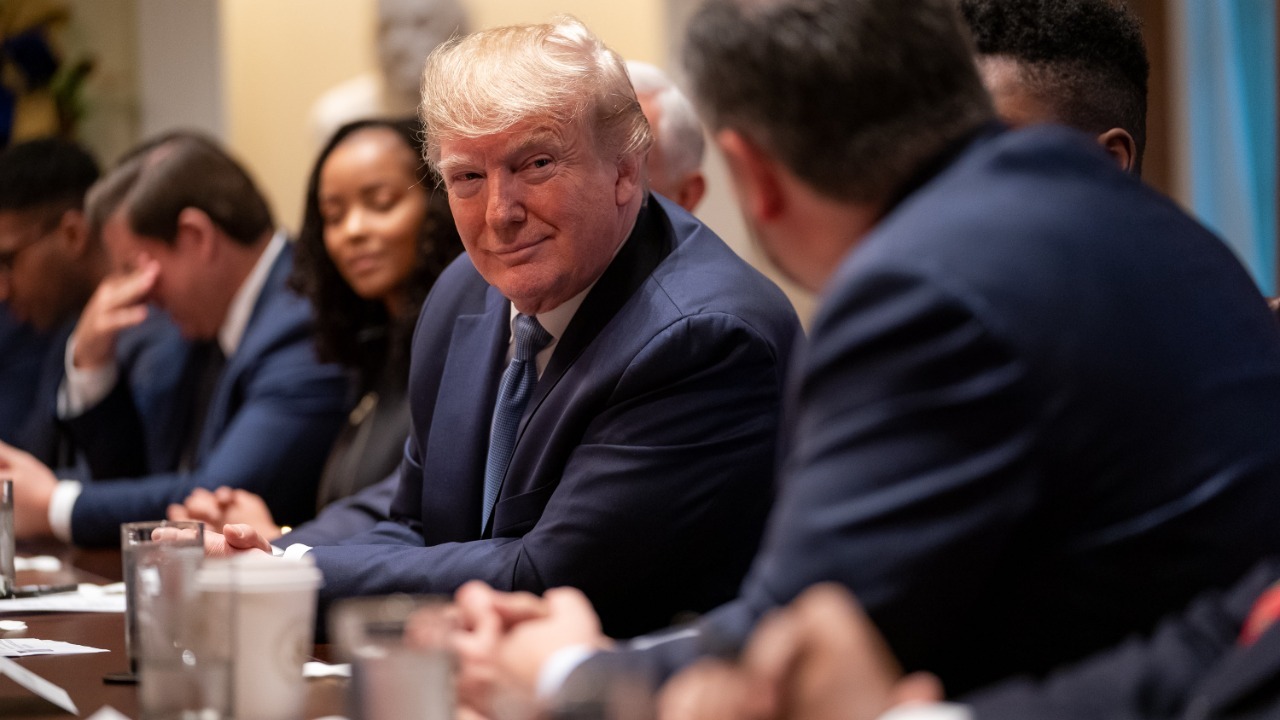
Swiss billionaires have emerged as key players in influencing U.S. policy, particularly in the context of ongoing tariff negotiations between the United States and Switzerland. By leveraging their personal connections with President Donald Trump, these wealthy individuals have been instrumental in advancing discussions toward a potential tariff agreement. As Switzerland moves closer to securing an improved 15% U.S. tariff deal, the role of private wealth in shaping international diplomacy becomes increasingly evident, highlighting how economic power can drive significant policy changes.
Swiss Billionaires’ Influence on US Policy
Several prominent Swiss billionaires have been at the forefront of efforts to sway U.S. policy in favor of Switzerland. These individuals, whose wealth spans industries such as luxury goods and finance, have utilized their economic clout to gain access to President Trump. Notable figures include Ernesto Bertarelli, a billionaire in the biotech sector, and Johann Rupert, a key player in luxury goods. Their combined net worth and influence have provided them with the leverage needed to engage in direct interactions with Trump, including private meetings and campaign contributions, as reported by Bloomberg.
Their lobbying efforts have been characterized by a strategic focus on the economic impacts of tariffs on Swiss exports. By articulating the potential benefits of reduced trade barriers, these billionaires have effectively communicated the stakes involved, thereby facilitating diplomatic progress. Quotes from these influential figures underscore their commitment to ensuring favorable outcomes for Swiss industries, particularly in sectors like pharmaceuticals and luxury goods, which are heavily impacted by U.S. tariffs.
Background on US-Switzerland Trade Tensions
The trade tensions between the U.S. and Switzerland have their roots in the baseline 15% U.S. tariff applied to Swiss goods, a point of contention in previous negotiations. This tariff has significantly affected key Swiss exports, including precision instruments and chemicals, which are vital to Switzerland’s economy. Recent trade data highlights the substantial volume of these exports, underscoring the importance of securing a more favorable tariff agreement. Geneva, a strategic location for these trade talks, has served as a hub for diplomatic negotiations, providing a backdrop for discussions aimed at resolving these trade disputes.
Switzerland’s efforts to address these tensions have been driven by the need to protect its economic interests and maintain its competitive edge in the global market. The country’s strategic positioning and its role as a major exporter of high-value goods have made it imperative to seek reductions in trade barriers. As negotiations progress, the focus remains on achieving a balanced agreement that addresses the concerns of both nations while promoting economic growth and stability.
Progress Toward the Tariff Agreement
Recent developments indicate significant progress toward an improved 15% U.S. tariff deal, as reported by Yahoo Finance. Switzerland’s strategic moves in the negotiation process have brought the two countries closer to an agreement that could see reductions in tariffs for targeted sectors. Official statements highlight specific concessions under consideration, including potential rate reductions for key exports such as watches and pharmaceuticals.
The role of bilateral summits and envoys has been crucial in accelerating the negotiation process. These diplomatic engagements have provided a platform for both sides to articulate their positions and work toward mutually beneficial outcomes. The involvement of high-level officials and the strategic timing of these discussions have been instrumental in driving the negotiations forward, with the aim of finalizing an agreement that supports economic growth and strengthens bilateral relations.
Implications for Swiss Economy and Global Trade
The potential economic benefits for Switzerland from an improved tariff deal are significant. Projected figures suggest substantial export growth post-deal, which could bolster the Swiss economy and enhance its global trade position. The reduction of trade barriers is expected to provide a competitive advantage for Swiss industries, allowing them to expand their market reach and increase their share in the U.S. market.
Beyond the immediate economic gains, this agreement could have broader implications for President Trump’s tariff strategy with other nations. By successfully negotiating a favorable deal with Switzerland, the U.S. may set a precedent for future trade agreements, influencing how tariffs are approached in other bilateral negotiations. Swiss officials have expressed optimism about the deal’s long-term stability, emphasizing the importance of maintaining strong economic ties with the U.S. and leveraging billionaire involvement to achieve sustainable outcomes.
More From TheDailyOverview
- Dave Ramsey says these two simple questions show whether you’re rich or poor
- Retired But Want To Work? Try These 18 Jobs for Seniors That Pay Weekly
- IRS raises capital gains thresholds for 2026 and what’s new
- 12 ways to make $5,000 fast that actually work

Grant Mercer covers market dynamics, business trends, and the economic forces driving growth across industries. His analysis connects macro movements with real-world implications for investors, entrepreneurs, and professionals. Through his work at The Daily Overview, Grant helps readers understand how markets function and where opportunities may emerge.


