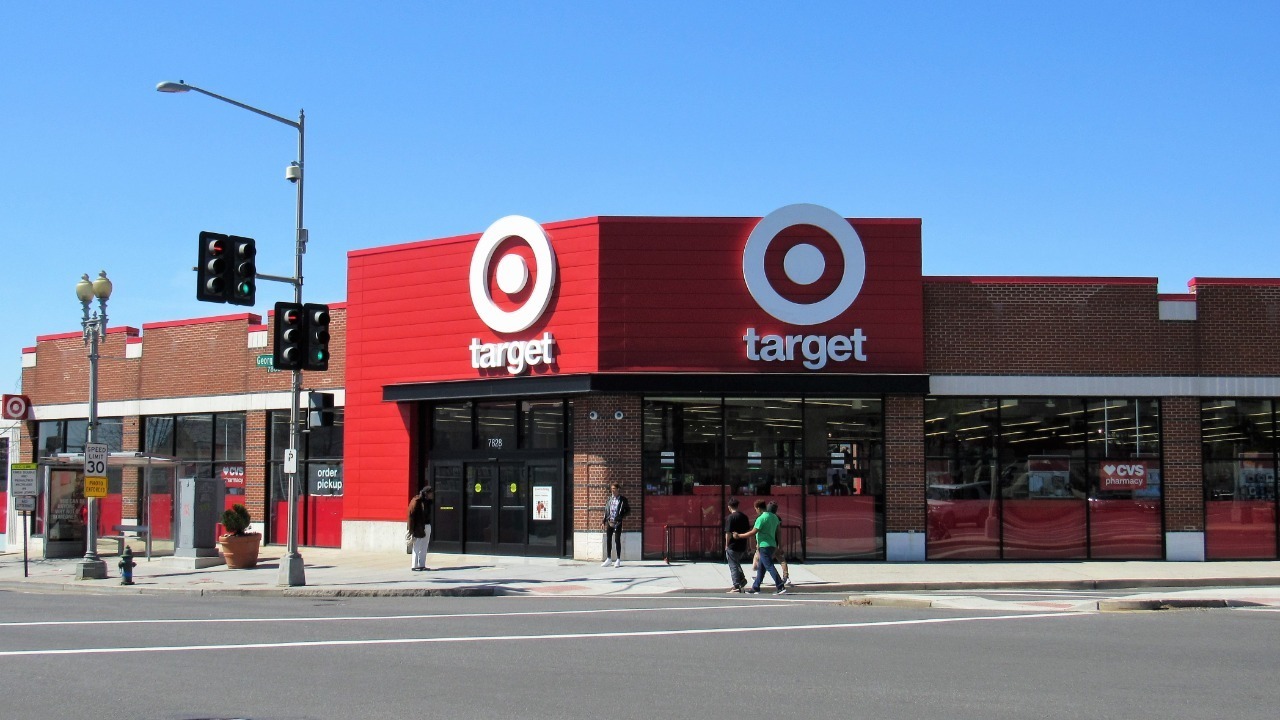
Target has recently implemented significant price cuts on thousands of items across its stores, a move that analysts suggest is more than just a temporary sales tactic. This strategic initiative, announced in November 2025, comes at a time of economic uncertainty, with job losses making consumers more vulnerable to financial scams. Target’s efforts aim to regain market share by addressing affordability concerns in a highly competitive retail environment.
The Announcement of Target’s Price Strategy
Target’s latest initiative involves substantial price cuts on thousands of items, marking a deliberate response to current market dynamics rather than a fleeting promotional effort. The timing of this rollout, officially announced on November 12, 2025, underscores its strategic importance in the retail calendar. This move is not just about attracting customers with temporary discounts; it represents a fundamental shift in Target’s pricing approach, as highlighted in early reports from November 2, 2025. These reports frame the cuts as a significant change in strategy, aimed at making Target a more affordable option for consumers.
By implementing these price reductions, Target is positioning itself to better compete in a challenging retail landscape. The decision to lower prices on such a large scale reflects a commitment to long-term affordability, differentiating Target from competitors who may rely on short-term sales events. This approach is designed to attract cost-conscious shoppers and build customer loyalty over time, rather than simply boosting sales in the short term.
Why the Cuts Extend Beyond Marketing Tactics
Analyses of Target’s price cuts suggest that they are more than just a marketing gimmick. Insights from November 11, 2025, reveal that the underlying business motivations include inventory management and customer retention. By reducing prices on thousands of items, Target is signaling a commitment to affordability that goes beyond temporary sales tactics. This strategy is designed to address consumer concerns about inflation without significantly impacting profit margins.
The scale of the price cuts indicates a long-term strategy rather than a short-term promotion. By affecting thousands of items, Target is making a clear statement about its dedication to providing value to its customers. This approach is supported by expert perspectives that emphasize the data-driven nature of the decision, aimed at combating inflation perceptions while maintaining financial stability. Such a comprehensive strategy sets Target apart from competitors who may not be as committed to sustained affordability.
Economic Pressures Influencing Retail Decisions
The broader economic context in early 2025 has put pressure on retailers like Target to prioritize price sensitivity among consumers. With job market instability leading to increased unemployment, many households are facing financial uncertainty. This economic backdrop has made it essential for retailers to offer more affordable options to attract and retain customers. Target’s major price reductions are a direct response to these pressures, helping to alleviate spending hesitancy among consumers affected by layoffs.
Additionally, the rise of vulnerabilities for those out of work, including the threat of scams targeting the unemployed, has heightened the need for retailers to offer genuine value. Reports from March 17, 2025, warn of con artists preying on individuals who have lost their jobs, adding another layer of complexity to the economic challenges faced by consumers. By offering significant price cuts, Target is not only addressing affordability concerns but also providing a measure of financial relief to those navigating these difficult circumstances.
Consumer Benefits and Long-Term Implications
For consumers, the benefits of Target’s price cuts are clear. Shoppers can enjoy sustained savings on thousands of everyday items, which fosters loyalty in a cost-conscious environment. This commitment to affordability is likely to resonate with consumers who are increasingly focused on stretching their budgets. By maintaining lower prices over the long term, Target is positioning itself as a reliable choice for value-conscious shoppers.
The implications of Target’s strategy extend beyond individual consumer benefits. The announcement of major price reductions on November 12, 2025, could prompt similar moves from competitors, as retailers strive to maintain their market positioning. This potential ripple effect could lead to a broader trend of price reductions across the retail industry, benefiting consumers as a whole.
Moreover, Target’s strategy includes raising awareness about economic pitfalls, such as scams targeting the unemployed. By empowering consumers with information and offering price relief, Target is helping to create a more informed and resilient customer base. This approach not only enhances Target’s reputation as a consumer-friendly retailer but also contributes to a more stable and secure economic environment for all stakeholders.
More From TheDailyOverview
- Dave Ramsey says these two simple questions show whether you’re rich or poor
- Retired But Want To Work? Try These 18 Jobs for Seniors That Pay Weekly
- IRS raises capital gains thresholds for 2026 and what’s new
- 12 ways to make $5,000 fast that actually work

Grant Mercer covers market dynamics, business trends, and the economic forces driving growth across industries. His analysis connects macro movements with real-world implications for investors, entrepreneurs, and professionals. Through his work at The Daily Overview, Grant helps readers understand how markets function and where opportunities may emerge.