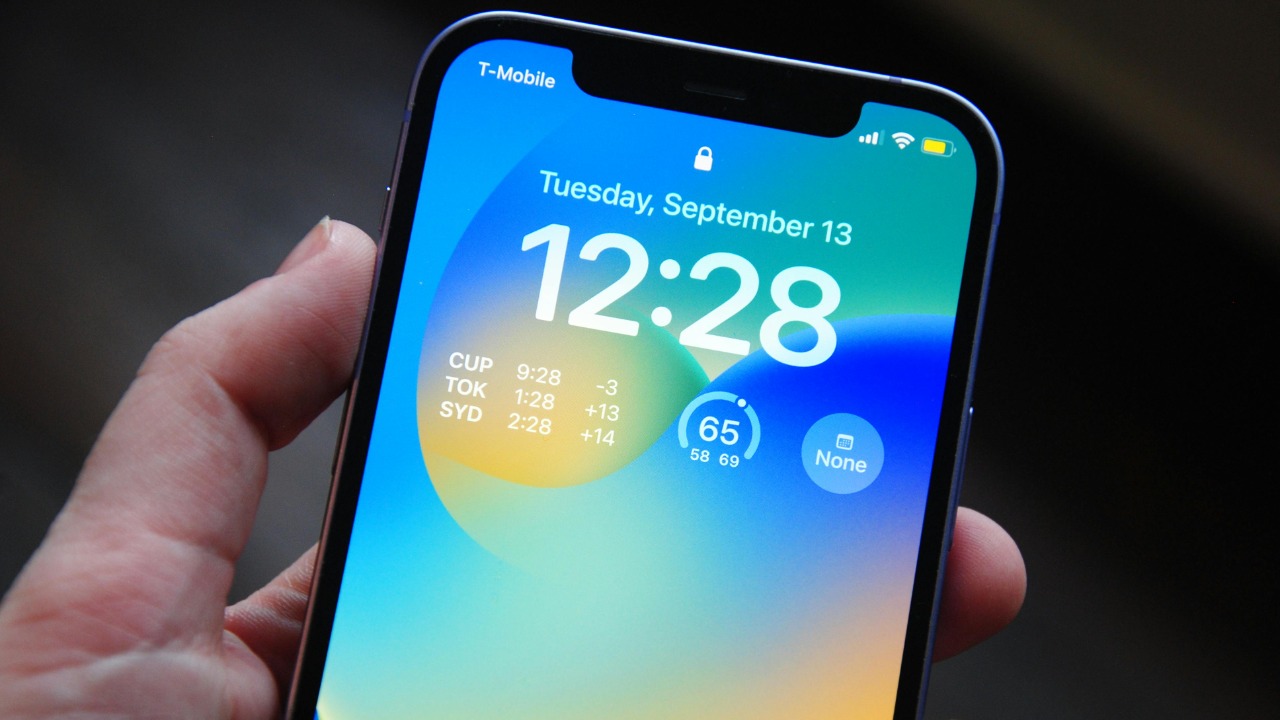
T-Mobile built its brand on being the “uncarrier,” the company that did what rivals would not. Now, as more subscribers quietly slip away, the company is leaning on a very different playbook, tightening policies and layering on new fees that many long‑time users experience as a cold turn. The latest billing and policy shifts land just as frustrated customers are already reconsidering their loyalty, raising the risk that short‑term revenue moves could deepen a longer‑term exodus.
Instead of easing friction for people who stay, T-Mobile is rolling out stricter payment rules, higher surcharges, and more aggressive pushes into its own apps and systems. The result is a widening gap between the company’s marketing about value and the reality customers see on their bills and in stores.
Fees creep up while “Regulatory Program” takes center stage
The most visible change for many households is on the bill itself, where T-Mobile is raising a key surcharge by $0.50 per line for certain users. The company frames this as part of its broader Regulatory Program, a bucket that typically covers government‑related costs and compliance. For customers, the nuance matters less than the pattern: this is the second such increase in under a year, after a similar hike of up to $0.50 per line in 2025.
For a family with four or five lines, that extra $0.50 per line is not life‑changing, but it compounds on top of device payments, streaming add‑ons, and taxes. Android‑focused coverage notes that some subscribers are shielded by older “price lock” promises, while others on newer plans are not, creating a sense that loyalty is being rewarded unevenly. When people see a line item labeled as a regulatory charge grow twice in quick succession, it feels less like a pass‑through cost and more like a quiet price hike.
The “cold move”: stricter payment rules and fewer lifelines
At the same time, T-Mobile is tightening how it handles customers who fall behind, a shift that has been described as a cold move precisely because it hits long‑time subscribers who once counted on flexibility. Reporting indicates that more customers have been cutting service in recent months, and instead of loosening terms to keep them, the carrier is enforcing harsher rules around late payments and reconnections. That is a sharp contrast with the “we’ve got your back” messaging that helped T-Mobile grow after its merger with Sprint.
The billing clampdown goes further. The company has started requiring people who want to set up payment arrangements for past‑due balances to go through its automated phone system, a change highlighted in coverage of the harsh billing changes. For someone already stressed about keeping service on, being funneled into a robot instead of a human agent can feel like a deliberate barrier. It may reduce call‑center costs, but it also strips away one of the last safety valves for customers trying to stay current.
Store walkouts, app pressure and a 2026 tech pivot
The tension is not limited to billing. In physical stores, T-Mobile has rolled out a new in‑person policy that is driving some shoppers right back out the door. Employees are now required to walk customers through the company’s T‑Life app and a new in‑store system called Magen, even when people say they just want to pay a bill or ask a quick question. Some shoppers have described the app push as “harassment,” and internal accounts say customers are literally leaving stores over the policy. For a brand that once differentiated itself on friendly, low‑friction retail experiences, that is a striking reversal.
Those in‑store changes are part of a broader digital pivot. T-Mobile is also moving toward a 2026 deadline that would route all transactions via the T‑Life app, a plan that has already triggered backlash from both customers and employees. Internal pressure reportedly pushed the company to adjust the timeline, but the direction is clear: fewer traditional service channels and more reliance on a single digital gateway. For tech‑savvy users, that might be fine. For older or less connected customers, it risks turning everyday account management into a chore.
Device financing stretches to 36 months as “big changes” hit
On the hardware side, T-Mobile is reshaping how people pay for tablets and wearables, and the details matter. Instead of the familiar 24‑month installment plans, the carrier is shifting these devices to a 36-month schedule. That lowers the monthly payment but locks customers into longer commitments, making it harder to switch carriers without swallowing a larger remaining balance. The change is one of three sweeping changes hitting all customers in 2026, alongside network upgrades that promise 5G‑Advanced features.
Analysts have framed these shifts as part of a broader wave of Mobile Has Big 2026 Customers Need To. The company is betting that faster networks and more bundled services will justify longer financing and deeper integration into its ecosystem. Yet for someone who just wants a basic smartwatch or tablet for a child, a three‑year obligation can feel like a trap, especially when combined with rising fees and stricter billing rules.
Customer anger, social media backlash and a loyalty test
As these changes stack up, customer sentiment is fraying in visible ways. A YouTube creator who posted a video titled T-Mobile Customers Heated, described being shocked by the scope of the policy shifts, reflecting a broader wave of frustration in comment sections and forums. The same clip, also linked via a separate Dec listing, captures how quickly word of new fees and policies spreads among people who once championed the brand. When loyalists start warning others away, that is a red flag for any subscription business.
On Reddit, Some users have voiced concern that T-Mobile’s latest billing and policy moves will expand to more plans and services, citing a recent survey that found many people are already considering switching providers. That anxiety is amplified by reports that Patricia Battle and other analysts see TMUS already losing customers and facing a growing pool of people who are considering switching phone providers. When a company that once led the industry in net additions starts playing defense, every policy tweak carries more weight.
More From TheDailyOverview
*This article was researched with the help of AI, with human editors creating the final content.

Grant Mercer covers market dynamics, business trends, and the economic forces driving growth across industries. His analysis connects macro movements with real-world implications for investors, entrepreneurs, and professionals. Through his work at The Daily Overview, Grant helps readers understand how markets function and where opportunities may emerge.