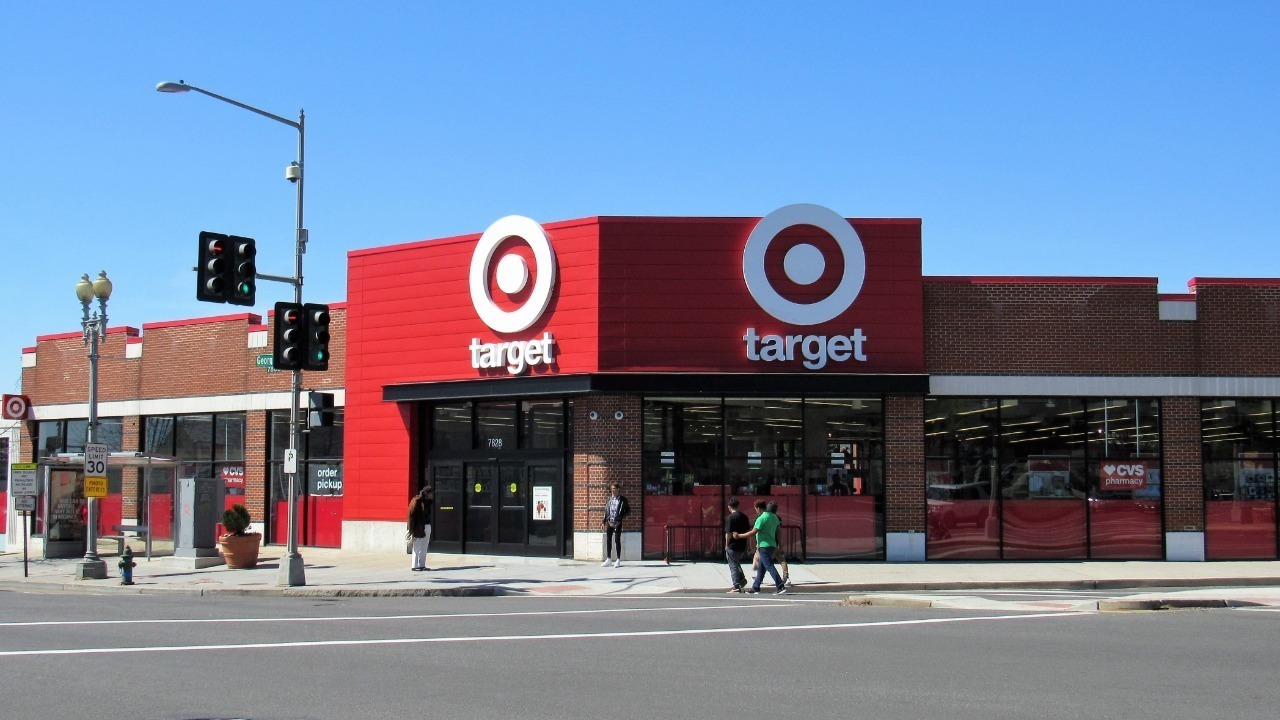
Target is finally spelling out a mistake that has quietly hollowed out its once enviable sales engine: it let shoppers lose confidence in its prices and its promise. The retailer that cultivated the “Tar-zhay” mystique is now confronting a mix of pricing missteps, merchandise bets that missed the moment, and political backlash that together have opened the door to rivals. The financial hit is large, but the more serious damage is to trust, which is far harder to rebuild than a quarterly profit line.
What makes this moment so striking is that Target is not blaming only the economy or Washington. Executives have acknowledged self‑inflicted wounds in how the chain priced, stocked, and positioned its stores, even as outside critics hammered its decisions on diversity, equity, and inclusion. The result is a case study in how a modern retailer can lose its footing when operational discipline and brand values fall out of sync.
The quiet leak: pricing accuracy and eroding trust
Long before culture‑war boycotts or tariff shocks, Target had a more basic problem: customers could not always trust that the price on the shelf would match the price at the register. That issue was serious enough that Target Agrees To pay nearly $4 million to settle allegations of inaccurate pricing, with regulators in MINNEAPOLIS citing repeated failures in price‑accuracy audits at stores and requiring more rigorous checks across the chain. Consumer advocates highlighted how often items scanned higher than the lowest posted price, warning that shoppers already peeved about being overcharged were being told to flag errors themselves rather than rely on the system.
Those earlier lapses matter now because they set a precedent. When a retailer trains customers to double‑check receipts, every later controversy lands on a foundation of skepticism. The language in one watchdog notice, which urged shoppers to speak up “if an item scans at a price higher than the lowest currently advertised or posted price,” captured how Target had shifted the burden of accuracy onto the very people it was overcharging. That kind of friction may not show up as a line item on an earnings call, but it chips away at the emotional shorthand that once made a Target run feel easy and safe.
From “Tar-zhay” to tariff trouble and merchandise misfires
As sales started to soften, Target’s leadership initially framed the problem as a tough macro backdrop and a consumer pulling back on discretionary purchases. In a detailed look at what went wrong, CEO Brian Cornell and his team have been pressed on how much of the slump stems from their own choices on merchandise and pricing, rather than just the broader economy, with one analysis pointing to a pattern of misjudged assortments and promotional strategies that left stores heavy on the wrong goods at the wrong time. That critique lines up with the sense many shoppers have had walking past aisles of seasonal décor and fashion while hunting for basics that were out of stock.
Tariff policy then turned a strategic miscalculation into a structural disadvantage. Target’s model leans heavily on nonessential merchandise, from home décor to apparel, which left it more exposed when new import costs hit categories that shoppers can easily delay. Reporting on the Tariff hit notes that the chain stocks more nonessential merchandise compared to competitors such as Walmart and Costco, identified by their tickers WMT and COST, which are more anchored in groceries and everyday staples. In effect, Target built a business optimized for impulse and aspiration just as the policy and economic winds shifted toward caution.
DEI rollback, boycotts and the political price of hesitation
Into that fragile mix came Target’s decision to roll back parts of its diversity, equity, and inclusion agenda, a move that pleased some critics but alienated others and muddied the brand’s identity. According to Key Takeaways on the financial fallout, Target Corp and its ticker TGT have seen their stock plummet 33% since the rollback of DEI initiatives, a figure that reflects not just earnings pressure but also investors’ doubts about management’s strategic compass. When a company that once marketed itself as a progressive, inclusive space appears to retreat under pressure, it risks looking both politically exposed and commercially indecisive.
The backlash has not been confined to Wall Street. One widely shared summary of the controversy notes that Forbes reports that Target lost nearly $1 BILLION in sales in a recent period and that activists argue the fallout is “not over,” even if the exact breakdown between boycott‑driven losses and broader consumer weakness remains contested. What is clear is that the DEI reversal did not calm the waters. Instead, it layered a values‑driven boycott on top of existing frustrations about pricing and product mix, turning a retail strategy problem into a referendum on what the red bullseye stands for.
Flat sales, inventory headaches and a costly reset
Operationally, the pain has shown up in flat or declining sales and a profit outlook that keeps getting trimmed. In one investor‑focused video, analysts dissect how Target cut its profit forecast after a period of flat sales, with particular concern about inventory that was not turning fast enough and markdowns that were eroding margins. The message was that the trouble was “below the top line,” meaning the company was still moving product but at a cost to profitability that signaled deeper structural issues in how it bought and priced goods.
Target’s own guidance has reinforced that sobering picture. In its first results after dropping DEI programs, the company told investors it was facing an “exceptionally challenging environment” and lowered its expectations for the year, acknowledging that both the political fallout and softer demand were weighing on performance. A separate social‑media summary of that period, citing that Forbes reports that Target lost nearly $1 BILLION in sales, has become a rallying point for critics who see the company’s stumbles as proof that abandoning DEI carries a measurable financial price, even if the precise attribution between factors remains Unverified based on available sources.
Spending billions to fix what trust once did for free
To its credit, Target is not pretending it can coupon its way out of this mess. The company has committed to a sweeping physical reset, with plans to spend $5B on a store revamp as a months‑long sales slump deepens and with some observers noting that the stock is down roughly 33 in the same window. That capital will go into remodeling locations, refreshing layouts and, crucially, trying to make stores feel like destinations again rather than commodity boxes. It is a tacit admission that the old “Tar-zhay” magic has faded and that regaining it will require hard cash, not just clever marketing.
On top of that, Target revealed that it plans to increase its capital expenditures by 25 percent to $5 billion next year, including another $1B focused on merchandising and store operations to accelerate supply chains and keep goods in stock. The logic is straightforward: if shoppers can once again count on finding the right items at the right price, some of the lost traffic may return without the company having to buy it back through endless promotions. Yet it is also a reminder that trust, once squandered, is expensive to rebuild. What used to be handled by brand goodwill now requires billions in hard investment.
More From The Daily Overview
*This article was researched with the help of AI, with human editors creating the final content.

Grant Mercer covers market dynamics, business trends, and the economic forces driving growth across industries. His analysis connects macro movements with real-world implications for investors, entrepreneurs, and professionals. Through his work at The Daily Overview, Grant helps readers understand how markets function and where opportunities may emerge.

