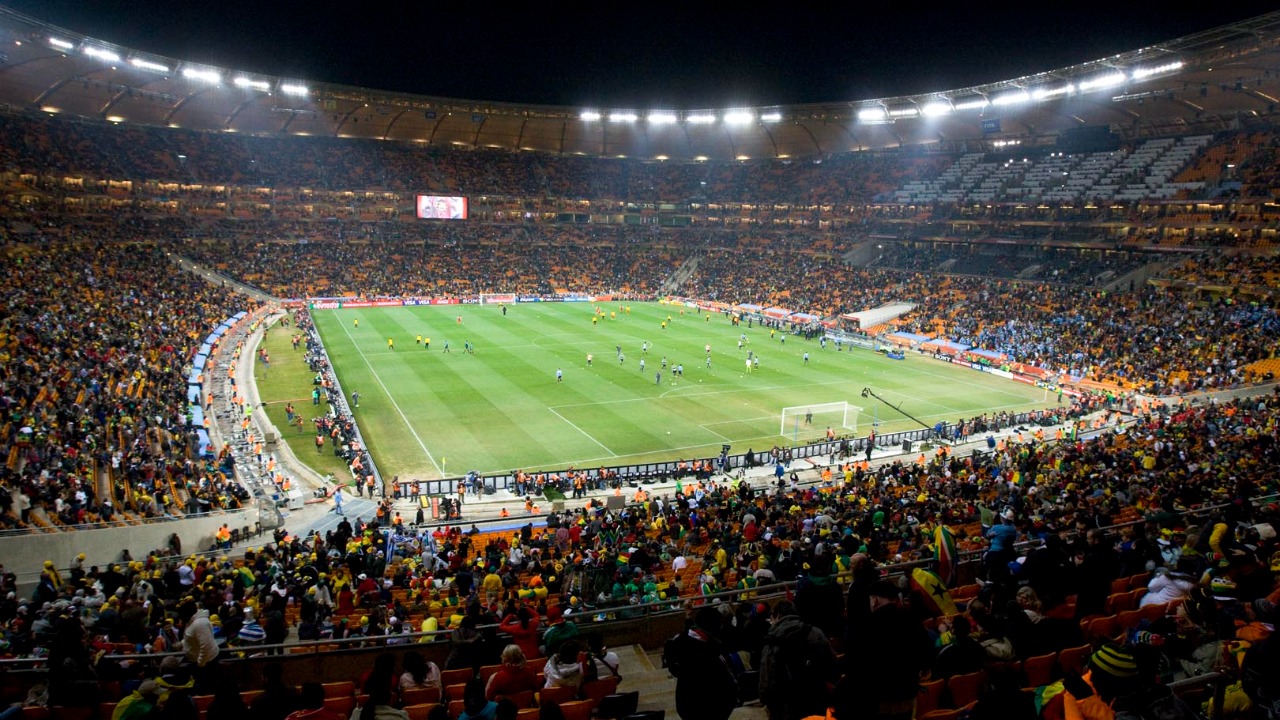
The cheapest ticket available to see Team USA play in the 2026 FIFA World Cup is currently priced at $1,640. This ticket grants access to their group stage match against Mexico on June 11, 2026, at Estadio Azteca in Mexico City. These prices are reflective of secondary market listings, as official sales have not yet commenced.
Analysts predict that prices will continue to rise due to the limited supply and global interest in the expanded 48-team tournament co-hosted by the United States, Canada, and Mexico. MarketWatch reports that demand is already driving costs up from initial expectations.
Ticket Availability and Secondary Market Dynamics

Currently, tickets for the 2026 FIFA World Cup are unavailable through official FIFA channels. The prices being quoted, including the $1,640 for Team USA’s opener, are from secondary resellers such as Vivid Seats and StubHub. This reflects a market where demand is high, and supply is limited, leading to inflated prices even before official sales begin. The secondary market is often the first indicator of how much fans are willing to pay, and in this case, it suggests a strong interest in Team USA’s matches.
Hospitality packages further inflate the base prices, with premium seating options starting at $2,500. These packages often include additional perks such as exclusive access to lounges and complimentary food and beverages, which contribute to the overall high cost barrier for fans. Such offerings are designed to cater to corporate clients and high-net-worth individuals, leaving average fans with fewer affordable options.
For fans looking to attend potential knockout stage games, prices can exceed $3,000, illustrating the tiered pricing structure on resale platforms. This pricing strategy highlights the premium placed on high-stakes matches, where the excitement and significance of the games drive up demand and, consequently, prices.
Factors Driving the High Costs
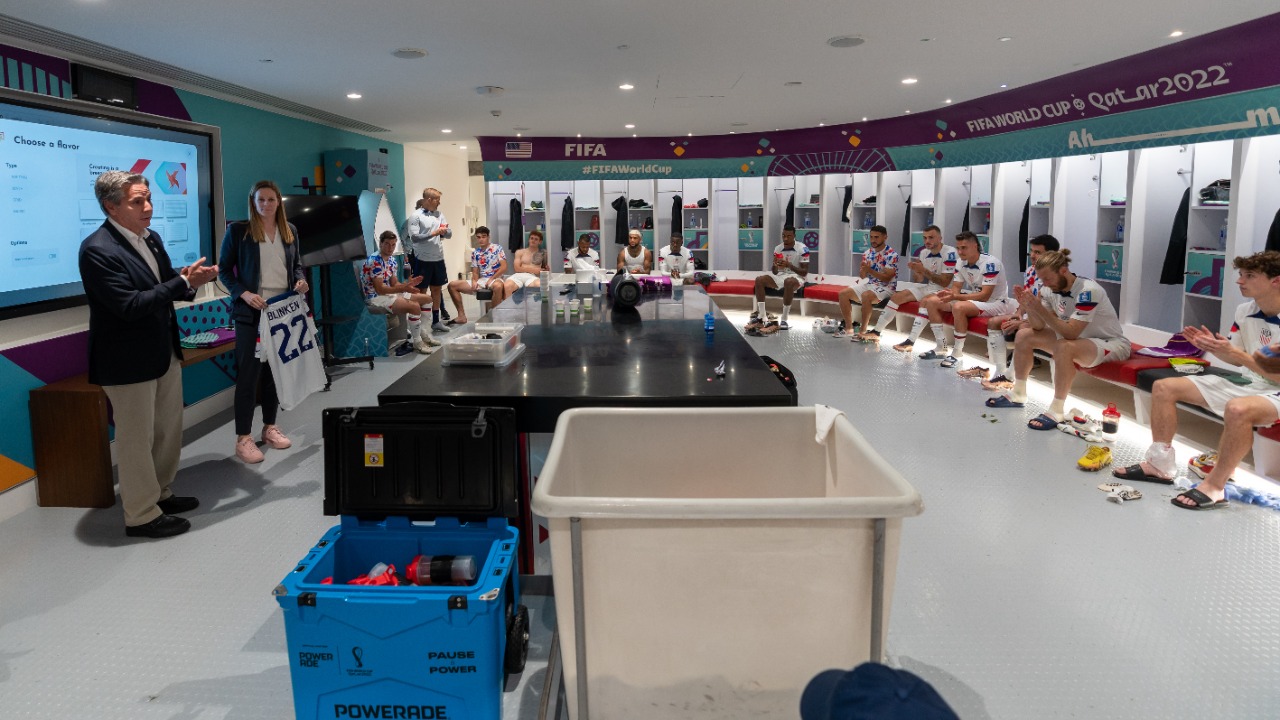
FIFA’s revenue model for the 2026 tournament prioritizes corporate and VIP sales, which leaves general admission tickets scarce. This scarcity pushes secondary market prices to $1,640 as the entry point for Team USA matches. The model is designed to maximize revenue from high-paying customers, which inadvertently raises the bar for regular fans who wish to attend.
The expansion of the tournament to 48 teams, increasing the total number of matches to 104 across 16 host cities, also contributes to the high costs. This expansion heightens competition for desirable games, such as Team USA versus Mexico, driving up demand. The increased number of matches means more opportunities for fans to attend, but it also means that marquee games become even more sought after.
Logistical challenges, including travel to international venues like Mexico City for the June 11, 2026, match, add indirect costs that make the $1,640 ticket less accessible for average U.S. fans. These additional expenses, such as airfare and accommodation, further compound the financial burden on fans eager to support their team in person.
Comparisons to Previous World Cups
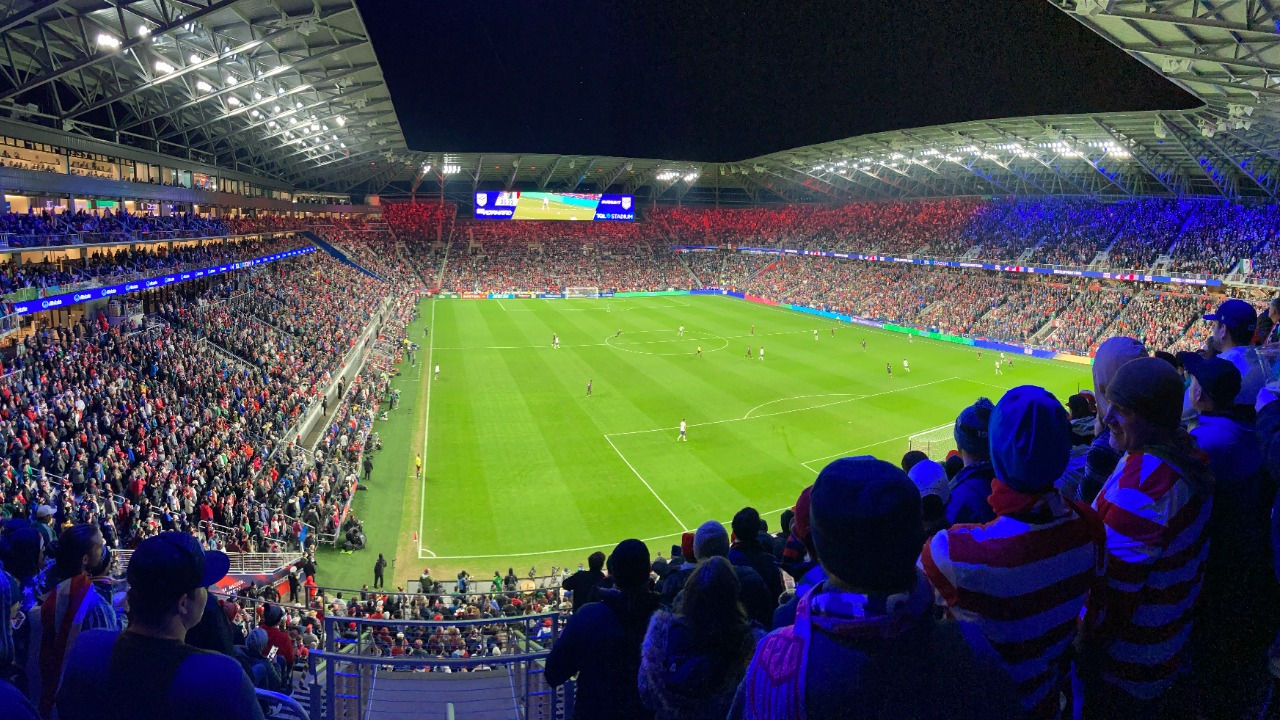
The $1,640 price for Team USA’s 2026 opener starkly contrasts with the 2022 Qatar World Cup, where U.S. fans paid around $500 for similar group stage access. This more than threefold increase highlights the escalating costs associated with attending the World Cup, driven by both market dynamics and the tournament’s growing global profile.
Resale trends from the 2018 Russia tournament, where prices for high-profile U.S. games doubled post-draw, serve as a precedent for why 2026 costs like $1,640 could escalate further. The anticipation and excitement surrounding the draw often lead to a surge in demand, which is reflected in the secondary market prices.
FIFA’s pricing strategy has evolved significantly, with 2026 marking the first North American-hosted event since 1994, where tickets averaged under $200. This underscores the inflation in global soccer economics, driven by increased commercialization and the sport’s growing popularity worldwide.
Future Price Trends and Fan Strategies
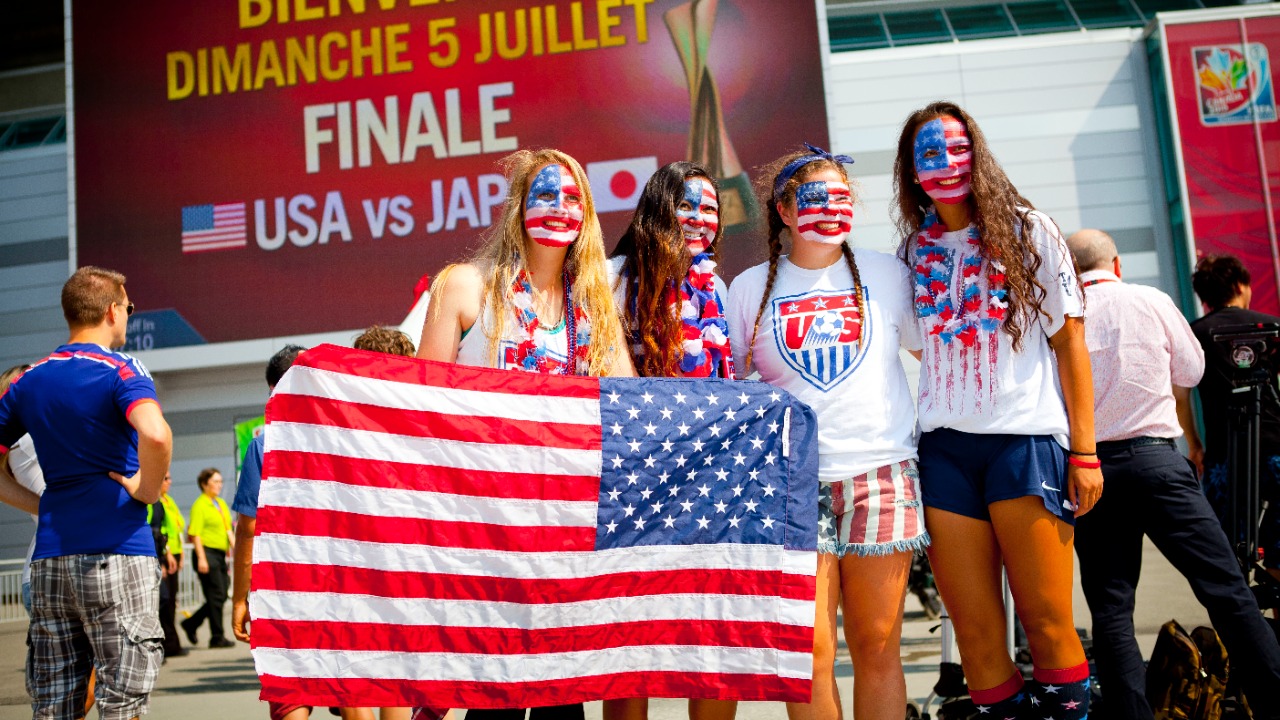
Experts warn that the $1,640 baseline could reach $2,000 or more by the time official sales begin in late 2025, due to anticipated U.S. team hype. Historical data suggests that as the tournament approaches, the excitement and media coverage will likely drive prices even higher, making early purchases on the secondary market a potentially cost-effective strategy.
Fans are advised to monitor FIFA’s lottery system for official tickets, which may start at potentially $100 for non-U.S. games, compared to the current $1,640 resale for Team USA’s Mexico City match. This system offers a more affordable alternative for those willing to take a chance on securing tickets through official channels.
Exploring alternatives, such as attending U.S.-hosted matches, could also be a viable strategy. Tickets for Team USA games in cities like Los Angeles or Seattle may start lower than $1,640 but will still face upward pressure from local demand. These matches offer fans the opportunity to experience the World Cup atmosphere without the added costs of international travel.

Cole Whitaker focuses on the fundamentals of money management, helping readers make smarter decisions around income, spending, saving, and long-term financial stability. His writing emphasizes clarity, discipline, and practical systems that work in real life. At The Daily Overview, Cole breaks down personal finance topics into straightforward guidance readers can apply immediately.