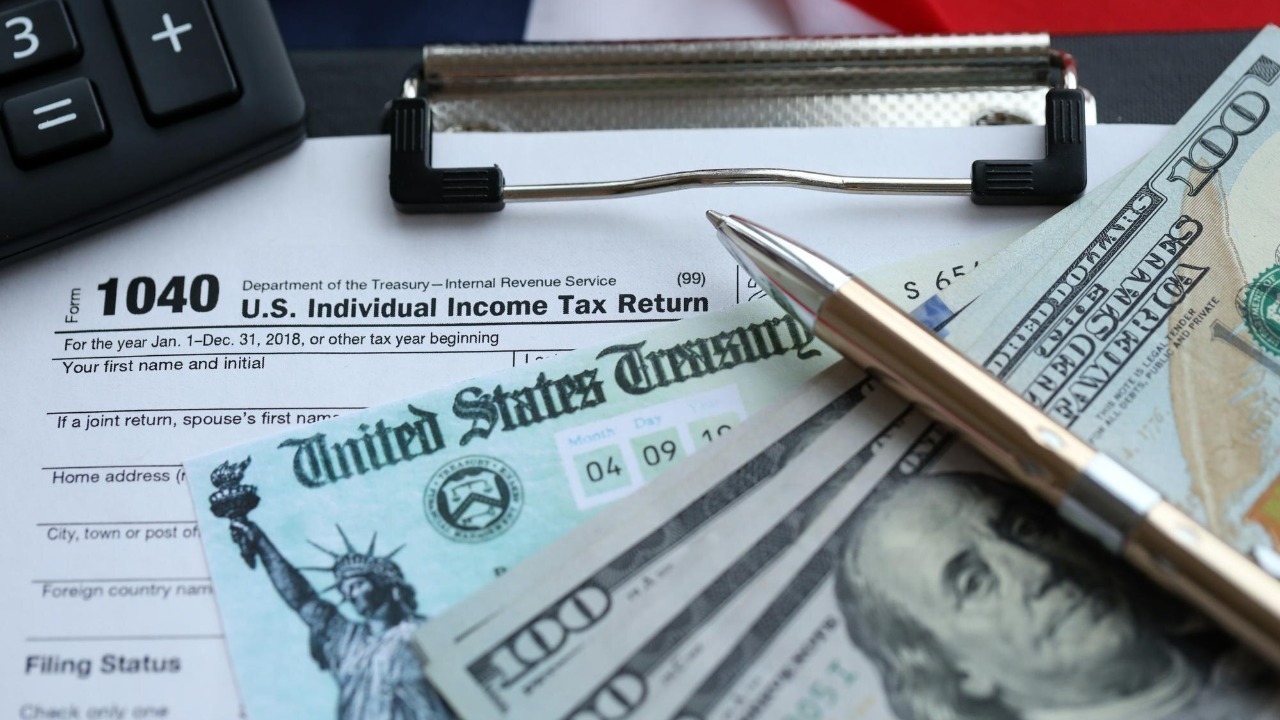
Cash still feels like the purest form of money, a stack of notes you can hand over with no passwords, apps, or waiting for a bank transfer to clear. Yet the law treats physical currency very differently from the way many people assume, and there are hard limits on what you are allowed to do with it, how much you can move, and how you can use it in the modern financial system.
Across criminal law, tax rules, consumer protection and anti-money-laundering regimes, governments have drawn bright lines around cash that can trip up anyone from a small landlord to a traveler at the airport. I want to walk through ten of the most important boundaries, so you know where the freedom to pay in paper ends and the risk of fines, forfeiture or even prison begins.
You cannot use cash to hide income from tax authorities
Some people still treat cash as invisible money, assuming that if there is no digital trail then there is no tax bill. That belief is not just wrong, it is the foundation of a long list of criminal cases in which business owners, freelancers and landlords have been prosecuted for failing to report cash takings as taxable income. Tax law in the United States and other developed economies is clear that income is taxable regardless of whether it arrives as a bank transfer, a check or a roll of notes in a paper bag, and deliberately omitting cash receipts can be charged as tax evasion or filing a false return.
Authorities have built specific tools to detect that kind of behavior, from comparing card and cash ratios in similar businesses to running undercover “mystery shopper” visits that document unrecorded sales. When investigators find that a restaurant or car wash has been skimming cash off the books, they can reconstruct the missing revenue using bank deposits, supplier invoices and even electricity usage, then pursue back taxes, penalties and, in serious cases, criminal charges backed by detailed audit techniques. The same logic applies to side gigs paid in cash, tips that never hit a paycheck and rent collected in envelopes: the form of payment does not change the obligation to report the income, and using cash to conceal it is itself an illegal act.
You cannot structure cash deposits to dodge reporting rules
Once cash enters the banking system, another set of legal limits kicks in. Banks in the United States must file a Currency Transaction Report when a customer deposits or withdraws more than 10,000 dollars in cash in a single day, and regulators treat any deliberate attempt to stay just under that threshold as a separate crime called structuring. Splitting 30,000 dollars into four deposits of 7,500 dollars over a few days, or asking friends to each bring 9,000 dollars to different branches, can be prosecuted even if the underlying money is from a lawful source.
Financial institutions are required to monitor for patterns that look like structuring and to file suspicious activity reports when they see repeated sub‑10,000 dollar deposits that do not fit a customer’s profile. Those reports can trigger investigations that lead to civil forfeiture of the cash, criminal charges, or both, and courts have upheld structuring convictions where the only proven misconduct was the pattern of deposits itself, not drug dealing or fraud behind the money. The same anti‑evasion logic appears in other jurisdictions’ anti‑money‑laundering rules, which treat deliberate fragmentation of cash movements as a red flag that must be reported under bank secrecy and counter‑laundering laws.
You cannot move large amounts of cash across borders without declaring it
Carrying a thick envelope of notes through airport security is not illegal by itself, but once the amount crosses a legal threshold you are required to tell customs exactly what you are moving. In the United States, anyone transporting more than 10,000 dollars in cash or monetary instruments into or out of the country must file a report with Customs and Border Protection, and similar declaration rules apply in the European Union and other major economies. The obligation applies to families and groups as well as individuals, so a couple carrying 6,000 dollars each for a joint purchase can still be treated as moving 12,000 dollars in total.
Failing to declare that cash, or lying about the amount, can lead to immediate seizure of the money and potential criminal charges, even if the funds are legitimate savings or business proceeds. Border agents are trained to look for travelers who appear nervous about currency questions or who carry stacks of notes in hand luggage, and they can detain people for questioning while they verify the source of the funds under cross‑border reporting rules. Once seized, cash can be difficult and time‑consuming to recover, and in some cases authorities have kept the money through civil forfeiture proceedings even when no separate crime was charged, which is why lawyers advise anyone traveling with large sums to file the paperwork meticulously.
You cannot use cash to buy certain assets without triggering extra scrutiny
Law enforcement agencies have long warned that criminals like to launder illicit proceeds by buying high‑value assets in cash, then reselling them to create the appearance of legitimate wealth. In response, regulators have imposed special reporting and due‑diligence rules on sectors such as real estate, luxury cars and high‑end jewelry when buyers show up with suitcases of notes. In the United States, title insurance companies in certain markets must identify the true owners behind shell companies that purchase residential property with large cash payments, and similar “know your customer” expectations now apply to dealers in precious metals and stones.
Those rules do not make it illegal to pay cash for a used car or a diamond ring, but they do mean that businesses in those sectors must collect identification, keep detailed records and, in some cases, file reports when a transaction crosses a threshold or looks suspicious. A dealership that accepts 60,000 dollars in notes for a late‑model Mercedes without asking questions risks violating anti‑money‑laundering obligations and can face fines or loss of licenses if regulators find a pattern of lax controls. The practical effect is that, beyond modest amounts, buyers cannot expect to walk into a showroom with a duffel bag of currency and drive out anonymously, because the law treats such deals as potential laundering events that must be documented under real‑estate and patriot‑act frameworks.
You cannot pay employees entirely in cash to avoid payroll rules
Paying wages in cash is not inherently unlawful, and many small businesses still hand out envelopes on payday. The legal problem arises when employers use cash to sidestep payroll taxes, minimum wage laws or record‑keeping requirements, for example by paying staff “off the books” and failing to withhold income tax, Social Security and Medicare contributions. Labor and tax authorities treat that as a form of evasion that cheats both the government and the workers, who may later find that they have no documented earnings for benefits or retirement calculations.
Investigators look for signs such as restaurants or construction firms with large crews but very low reported payrolls, or workers who are told they will be fired if they ask for a pay stub. When agencies uncover such schemes, they can demand back taxes, impose penalties and, in serious cases, bring criminal charges for willful failure to collect and remit payroll taxes under employment‑tax rules. Employers also violate labor law if they use cash to pay less than the legal minimum wage or to avoid overtime, and courts have ordered back pay and damages in cases where companies tried to hide illegal pay practices behind informal cash arrangements.
You cannot use cash to knowingly fund criminal activity
Handing over cash for an obviously illegal purpose is itself a crime, regardless of whether you ever touch the contraband. If you provide a stack of notes to someone knowing that the money will be used to buy cocaine, firearms or other contraband, prosecutors can charge you with aiding and abetting, conspiracy or money laundering, because the law focuses on the intent behind the transaction rather than the payment method. The same principle applies when people pool cash to pay smugglers, hire hackers or finance other illicit operations, even if they never see the underlying goods or services.
Anti‑money‑laundering statutes also make it illegal to conduct financial transactions with the proceeds of specified unlawful activities when you know, or deliberately ignore, that the funds come from crime. That can include paying rent or buying a car with cash that you understand is drug money, or helping someone else move such cash through a series of purchases to disguise its origin, conduct that prosecutors have charged as laundering under federal statutes. Courts have treated willful blindness as equivalent to knowledge in many of these cases, so claiming not to have asked questions about a suspiciously large pile of notes is not a reliable shield when the surrounding facts point to criminal funding.
You cannot ignore identification rules for large cash transactions
One of the quietest but most consequential limits on cash use is the requirement that businesses collect and, in some cases, report customer information when deals involve large sums of currency. In the United States, for example, any person or company that receives more than 10,000 dollars in cash in a single transaction, or in related transactions, must file a report with the Internal Revenue Service that identifies who paid, how much, and in what form. That obligation applies to car dealers, art galleries, lawyers and even individuals who sell high‑value items, and failing to file can lead to civil penalties or criminal charges.
Customers sometimes push back against these requests for identification, arguing that “cash is anonymous,” but the law gives businesses little choice. If a buyer insists on paying 15,000 dollars in notes for a piece of equipment and refuses to provide a name or taxpayer identification number, the seller is effectively barred from completing the transaction without risking a violation of cash‑reporting rules. Many firms now adopt internal policies that go beyond the legal minimum, such as refusing cash above a certain amount altogether, because the compliance burden and regulatory risk of handling large anonymous payments have grown steadily under global anti‑money‑laundering standards.
You cannot use cash to bribe public officials or in sanctioned dealings
Bribery laws do not care whether a payoff arrives as a wire transfer, a luxury watch or a brown envelope of notes, and using cash to try to hide a corrupt payment can aggravate the legal consequences. Offering or giving money to a public official in exchange for a specific favor, such as steering a contract or fixing a regulatory problem, is a crime in most jurisdictions, and prosecutors routinely present evidence of cash handoffs as part of corruption cases. The same is true in the corporate context, where paying foreign officials in cash to win business can violate statutes that ban overseas bribery.
Sanctions regimes add another layer of restriction by making it illegal to provide funds, including cash, to certain individuals, companies or governments that appear on official blacklists. Even if a transaction would otherwise be lawful, handing over money to a sanctioned entity can trigger severe penalties, and enforcement agencies have pursued cases where intermediaries tried to use cash couriers and informal networks to evade sanctions controls. In both bribery and sanctions contexts, the idea that cash is “off the grid” is a dangerous illusion, because investigators can and do reconstruct payment chains using witness testimony, surveillance and seized records.
You cannot treat large unexplained cash holdings as automatically legitimate
Owning cash is not a crime, but when someone is found with a large amount of currency that they cannot credibly explain, they can quickly run into legal trouble. Police and federal agents in the United States have used civil asset forfeiture laws to seize tens of thousands of dollars from motorists, travelers and small business owners on the theory that the money is connected to drug trafficking or other crime, even when the person carrying it is not charged with an underlying offense. Courts have allowed such seizures to proceed when the government can show, by a lower standard than “beyond a reasonable doubt,” that the cash is likely tied to illegal activity.
Critics argue that this practice flips the presumption of innocence, forcing people to prove that their own money is clean, often at significant legal expense. Some jurisdictions have tightened forfeiture rules in response, but the basic reality remains that walking around with 40,000 dollars in notes and no documentation or plausible story invites scrutiny under forfeiture statutes. From a practical standpoint, anyone who legitimately needs to hold large sums of cash, such as a business that deals with cash‑only customers, is far safer keeping detailed records and using secure banking channels than relying on the assumption that possession alone will be treated as proof of legality.
You cannot force every business or creditor to accept your cash
Many people assume that because banknotes say they are “legal tender,” every shop, landlord or lender must accept them in any amount. In reality, legal tender laws typically mean that cash is valid for settling debts, not that every private business is obliged to take it for every transaction, and companies are generally free to set reasonable payment policies. That is why airlines can refuse cash for in‑flight purchases, why some urban cafes now operate card‑only counters, and why online services like app stores and streaming platforms can insist on digital payments.
Governments have carved out exceptions in some contexts, such as requiring public transit systems or certain essential services to accept cash, but there is no universal right to pay with notes and coins in whatever way you choose. Creditors can also specify how they want to be paid, and courts have rejected stunts where debtors try to settle large bills with buckets of coins or deliberately awkward denominations, treating such behavior as bad faith rather than valid tender under currency‑law guidance. The broader trend toward digital payments has prompted debates about financial inclusion and access, yet within that debate the law still allows many private actors to say no to cash, especially when handling it would be costly or risky.
More From TheDailyOverview
- Dave Ramsey warns to stop 401(k) contributions
- 11 night jobs you can do from home (not exciting but steady)
- Small U.S. cities ready to boom next
- 19 things boomers should never sell no matter what

Cole Whitaker focuses on the fundamentals of money management, helping readers make smarter decisions around income, spending, saving, and long-term financial stability. His writing emphasizes clarity, discipline, and practical systems that work in real life. At The Daily Overview, Cole breaks down personal finance topics into straightforward guidance readers can apply immediately.
