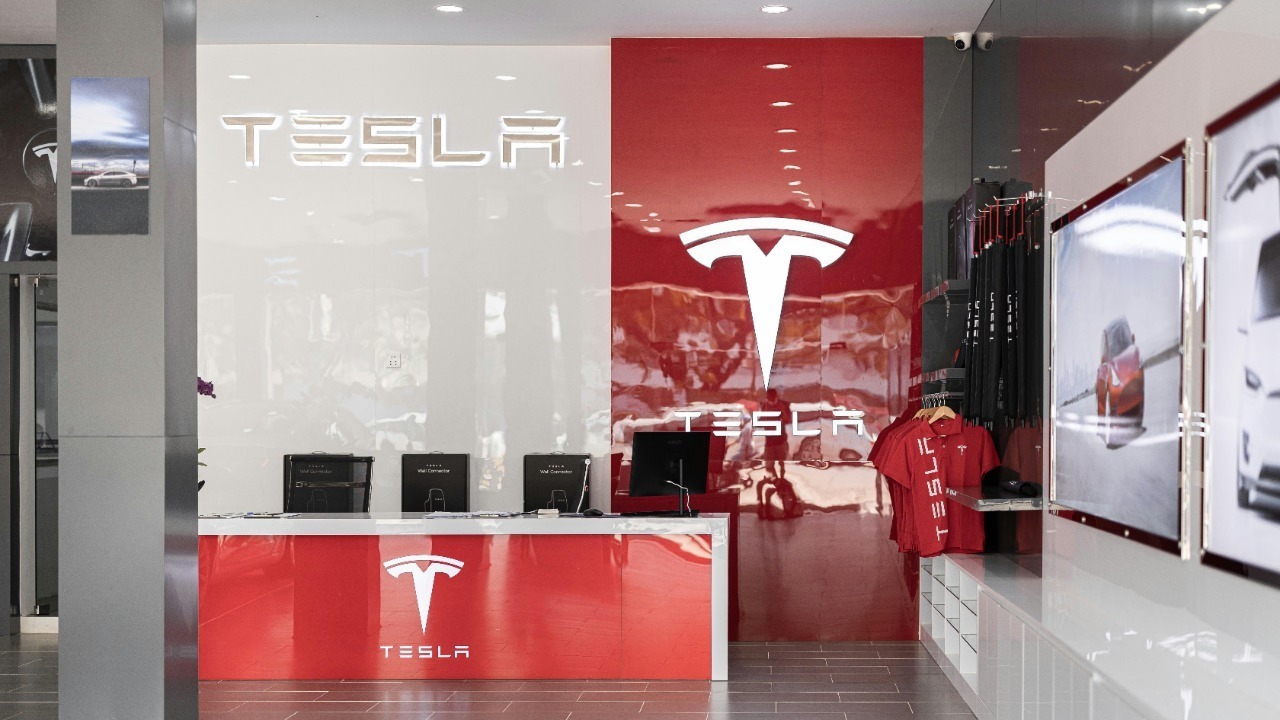
Tesla’s recent loss of its Cybertruck leader has sparked concerns about the future of the electric pickup’s development and production. This leadership change comes at a time when Tesla is grappling with a complex stock dilemma tied to Elon Musk’s leadership. The company struggles with Musk at the helm, yet its shares tend to crash without his influence. Additionally, the AFT Teachers Union is targeting Musk through actions involving Tesla’s stock. Investors are now faced with the decision of whether to buy, sell, or hold TSLA shares, especially with the anticipated launch of a Robotaxi service and analysts suggesting that the stock deserves to fall further.
The Impact of Losing the Cybertruck Leader
The departure of Tesla’s Cybertruck leader is a significant blow to the company, potentially affecting the vehicle’s design and market rollout. This leader played a crucial role in driving the Cybertruck’s innovative features and ensuring its competitive edge in the electric vehicle market. Their exit could lead to delays in production timelines or hinder the introduction of new features that were in the pipeline. Immediate reactions from Tesla’s team and Elon Musk have been mixed, with some expressing concern over potential disruptions, while others remain optimistic about the company’s ability to adapt. The reasons for the leader’s departure have not been fully disclosed, but it raises questions about internal stability and the potential for further leadership changes.
This leadership change ties into broader challenges facing the Cybertruck, such as ongoing supply chain issues and quality concerns. Recent production updates have highlighted difficulties in sourcing materials and maintaining quality standards, which could be exacerbated by the loss of a key leader. These challenges underscore the importance of strong leadership in navigating the complexities of electric vehicle production and maintaining Tesla’s reputation for innovation and quality. The impact of this leadership change will likely be felt across the company’s operations, potentially affecting investor confidence and market performance.
Elon Musk’s Leadership Dilemma at Tesla
Elon Musk’s leadership at Tesla presents a unique conundrum for the company. While his visionary approach and charismatic persona have been instrumental in driving innovation and maintaining investor interest, they also bring controversy and unpredictability. Tesla is often described as “cooked with Musk” due to his controversial decisions and public persona, which can impact company operations and brand reputation. However, the stock tends to crash without him, highlighting his pivotal role in sustaining share value through investor confidence and innovation hype.
Musk’s influence is evident in key projects like autonomous driving technology, where his involvement polarizes stakeholders. His ambitious goals and bold statements often generate excitement and drive stock prices, but they also come with risks. Investors must weigh the benefits of Musk’s leadership against the potential downsides, such as regulatory challenges and public relations issues. This leadership dilemma is a critical factor in determining the future direction of Tesla and its stock performance.
Union Actions Targeting Musk and Tesla Stock
The AFT Teachers Union has taken a strategic approach to challenge Elon Musk by targeting Tesla’s stock. This initiative includes divestment campaigns and shareholder proposals aimed at influencing corporate governance and holding Musk accountable. The union’s actions reflect broader concerns about labor practices and executive compensation tied to Musk’s leadership. Increased scrutiny from union-led pressure could have significant implications for TSLA shares, potentially affecting investor sentiment and market performance.
Historically, union efforts against Tesla have focused on worker rights and corporate accountability. The February 27, 2025, initiative by the AFT Teachers Union escalates these tensions, highlighting the ongoing struggle between labor interests and corporate leadership. This conflict underscores the importance of addressing labor concerns and ensuring fair treatment of workers, which could impact Tesla’s reputation and long-term success. The outcome of these union actions will be closely watched by investors and stakeholders, as it could influence the company’s future direction and stock performance.
The Robotaxi Launch and Its Stock Implications
The anticipated launch of Tesla’s Robotaxi service represents a potential game-changer for the company’s revenue streams. This autonomous ride-hailing service could significantly boost Tesla’s market position and drive new growth opportunities. Analysts are divided on whether TSLA is a buy or sell in light of the Robotaxi timeline, with some expressing optimism about the potential for increased revenue and market share, while others caution about technological hurdles and regulatory challenges.
The Robotaxi launch is a key component of Tesla’s broader autonomous vehicle strategy, which aims to revolutionize transportation and reduce reliance on traditional vehicles. This initiative could help offset recent setbacks, such as leadership changes and production delays, by providing a new source of revenue and enhancing Tesla’s competitive edge. However, the success of the Robotaxi service will depend on overcoming technical challenges and gaining regulatory approval, which could impact the timeline and overall impact on Tesla’s stock performance.
Assessing TSLA Stock: Buy, Sell, or Hold?
Analysts have argued that Tesla stock deserves to fall further, citing concerns about overvaluation and competitive pressures in the electric vehicle sector. The October 23, 2025, analysis highlights the challenges Tesla faces in maintaining its market dominance amid increasing competition from other automakers and technological advancements. These factors contribute to the argument for selling TSLA shares, as the stock may struggle to sustain its current valuation.
However, there are also buy signals from upcoming catalysts like the Robotaxi launch, which could drive new growth opportunities and enhance Tesla’s market position. The potential for increased revenue and market share from the Robotaxi service could offset some of the negative pressures from leadership instability and external challenges, such as union actions. Investors must weigh these factors carefully when deciding whether to buy, sell, or hold TSLA shares.
For those considering holding TSLA, the long-term growth potential in electrification and autonomy remains a compelling argument. Despite short-term volatility from the Cybertruck leader’s departure and other challenges, Tesla’s commitment to innovation and sustainability positions it well for future success. Investors should consider their risk tolerance and investment goals when assessing TSLA stock, as the company’s future direction will be shaped by a complex interplay of internal and external factors.
More From TheDailyOverview
- Dave Ramsey says these two simple questions show whether you’re rich or poor
- Retired But Want To Work? Try These 18 Jobs for Seniors That Pay Weekly
- IRS raises capital gains thresholds for 2026 and what’s new
- 12 ways to make $5,000 fast that actually work

Elias Broderick specializes in residential and commercial real estate, with a focus on market cycles, property fundamentals, and investment strategy. His writing translates complex housing and development trends into clear insights for both new and experienced investors. At The Daily Overview, Elias explores how real estate fits into long-term wealth planning.

