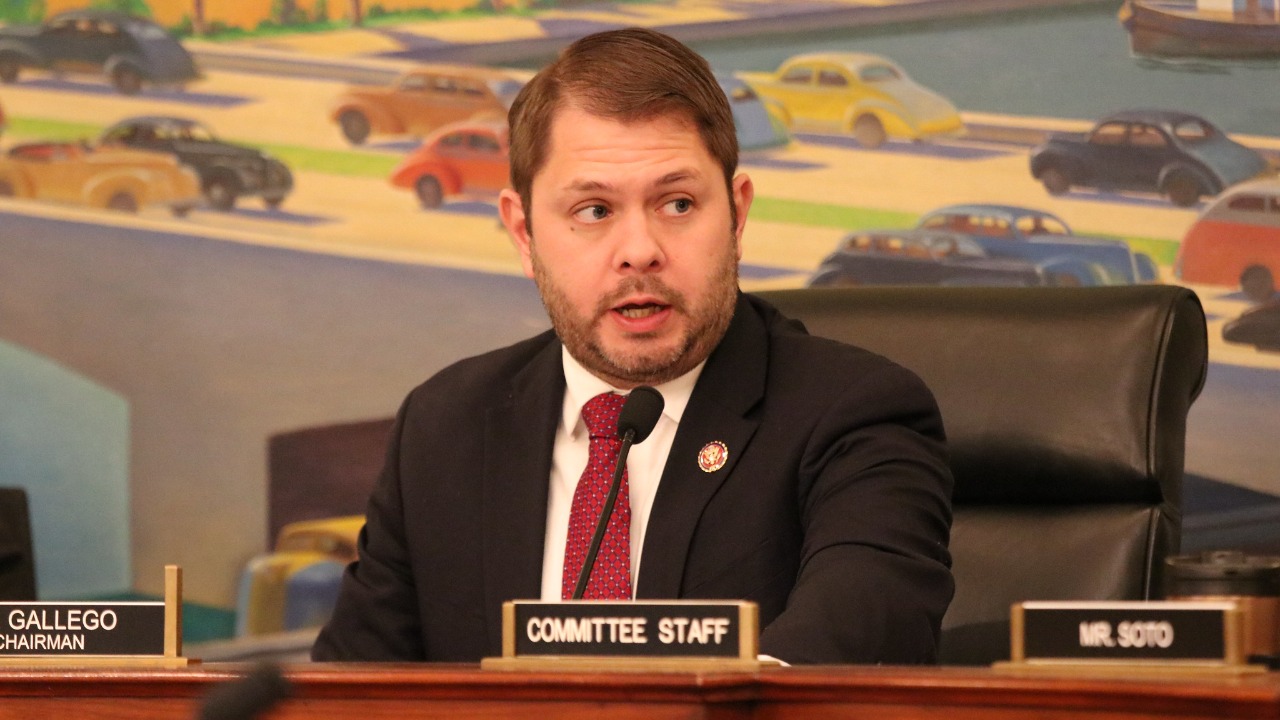
A new legislative proposal, the “You Earn It, You Keep It Act,” aims to permanently eliminate federal taxes on Social Security benefits for retirees. Sponsored by Rep. Ruben Gallego, the bill seeks to address the long-standing issue of retirees being “taxed twice” on their earnings. If passed, the legislation would take effect in 2026, providing lasting relief from these taxes, which many argue have unfairly burdened retirees by taxing income that has already been contributed to the Social Security program.
Background on Social Security Taxation
Federal taxes on Social Security benefits were first introduced in 1983 as a temporary measure to bolster the program’s funding. Over time, these taxes have become a permanent fixture, affecting up to 85% of benefits for higher-income retirees. The taxation is based on combined income thresholds, where individuals earning over $25,000 and joint filers earning over $32,000 face taxes on their benefits. This has led to widespread frustration among retirees, who feel they are being “taxed twice” on earnings that were already deducted for Social Security during their working years. Many retirees express dissatisfaction with this system, viewing it as an unfair financial burden that diminishes their retirement income.
Recent reports highlight the growing discontent among retirees, who argue that the current taxation system effectively penalizes them for saving and investing wisely throughout their careers. The sentiment of being “taxed twice” resonates strongly with those who have spent decades contributing to Social Security, only to face additional taxes during retirement. This frustration underscores the urgency of legislative action to address what many see as an inequitable aspect of the current tax code.
Key Provisions of the Bill
The “You Earn It, You Keep It Act” aims to permanently end all federal income taxes on Social Security benefits starting in 2026. This sweeping change would apply to all retirees, regardless of their income level, effectively repealing the taxation provisions under the Internal Revenue Code. The bill, sponsored by Rep. Ruben Gallego, seeks to provide a full and “actual” elimination of these taxes, contrasting with previous bipartisan efforts that offered only partial or temporary relief. By removing these taxes, the legislation intends to enhance the financial security of retirees, allowing them to retain more of their benefits.
Rep. Gallego’s proposal has garnered attention for its straightforward approach to resolving a complex issue. By targeting the complete removal of taxes on Social Security benefits, the bill aims to simplify the tax code and provide retirees with a clearer understanding of their financial obligations. This approach is designed to offer a permanent solution, ensuring that retirees can plan their finances with greater certainty and confidence.
Potential Impacts and Legislative Outlook
The financial benefits for retirees under this bill could be significant, with average annual tax savings estimated between $1,000 and $2,000 for those currently taxed on 50–85% of their benefits. This increase in disposable income could improve the quality of life for millions of retirees, allowing them to better manage their expenses and enjoy a more comfortable retirement. However, the fiscal implications for the federal budget are substantial, with a projected revenue loss of $1.5 trillion over 10 years. This potential shortfall raises concerns about the long-term solvency of the Social Security program, especially if no offsetting measures are implemented.
The bill’s chances of passage are uncertain, given the current political landscape. While there is support from figures like Sen. Rick Scott, the Republican control of Congress presents both opportunities and challenges. The bill must navigate the complexities of budget reconciliation and align with broader Democratic priorities to gain traction. Despite these hurdles, the proposal has sparked a necessary debate about the fairness and sustainability of taxing Social Security benefits, highlighting the need for a balanced approach that considers both retiree welfare and fiscal responsibility.
More From TheDailyOverview
- Dave Ramsey says these two simple questions show whether you’re rich or poor
- Retired But Want To Work? Try These 18 Jobs for Seniors That Pay Weekly
- IRS raises capital gains thresholds for 2026 and what’s new
- 12 ways to make $5,000 fast that actually work

Nathaniel Cross focuses on retirement planning, employer benefits, and long-term income security. His writing covers pensions, social programs, investment vehicles, and strategies designed to protect financial independence later in life. At The Daily Overview, Nathaniel provides practical insight to help readers plan with confidence and foresight.

