Tesla investors just got a fresh reminder that their fortunes are tied not only to electric cars but also to Elon Musk’s sprawling empire. Reports that Musk’s SpaceX is interviewing Wall Street banks for a potential listing sent Tesla stock lower, even as the rocket company’s private valuation and expected fundraising look spectacular on paper. The market reaction underlines a simple point: a blockbuster SpaceX deal could reshape Musk’s time, capital, and risk profile in ways that matter directly for Tesla shareholders.
The pullback also lands at a delicate moment for Tesla, which is already grappling with slowing growth, rising competition, and a more skeptical analyst community. When a new SpaceX initial public offering suddenly moves closer to reality, investors are forced to ask whether the next leg of Musk’s ambition will lift Tesla, or quietly push it to the back of the queue.
What the SpaceX banker chatter actually signals
The immediate trigger for the latest Tesla wobble was a report that Tesla stock decreased, following a 1.8% decline on Wednesday, as investors digested word that SpaceX, valued at about $800 billion, is interviewing bankers. I see that as more than routine deal prep. For a company of that size, sounding out underwriters is the clearest sign yet that Musk is serious about turning SpaceX from a private juggernaut into a public-market force. The fact that this development immediately fed back into Tesla’s share price shows how tightly markets link the two stories.
Behind the banker meetings sits a broader plan. One Source has indicated that SpaceX will pursue an IPO in 2026 that raises more than $25 billion, with a large share of revenue expected to come from Starlink. Separate reporting says SpaceX is preparing to pursue a 2026 IPO raising above $25 billion, underscoring just how large this offering could be. When that much capital and attention is at stake, I expect every other Musk venture, including Tesla, to feel the gravitational pull.
Why a SpaceX IPO cuts both ways for Tesla
For Tesla shareholders, a successful SpaceX listing could be a double edged sword. On one side, a public SpaceX with a towering valuation would reinforce the idea that Musk is a once in a generation founder whose ecosystem spans rockets, satellites, AI and cars. That halo effect has long supported the premium multiple that investors are willing to pay for Tesla, and it is why chatter that SpaceX is looking for bankers can move Tesla shares even before any deal is filed. Some traders have already treated SpaceX IPO talk as a reason to position ahead of Tesla earnings, betting that a rising Musk tide could lift all boats.
On the other side, a giant new listing risks diluting Tesla’s claim on Musk’s time and capital. One report notes that Another former Morgan Stanley banker, Jared Birchall, who has advised Musk on various Wall Street dealings, helped build the family office that now coordinates much of his financial strategy. If Morgan Stanley is seen as a front runner for the SpaceX deal, that would signal a tightly managed push to maximize SpaceX’s value. I read that as a sign that Musk’s financial center of gravity could tilt further toward rockets and satellites, just as Tesla needs heavy investment in new models and manufacturing.
Tesla’s fundamentals are already under pressure
The timing of the SpaceX excitement is awkward because Tesla is not entering this moment from a position of unchallenged strength. Earlier this month, NEW YORK based reporting highlighted that NEW YORK investors watched Tesla lose its crown as the world’s bestselling electric vehicle maker on Friday, after sales fell for a second year in a row and global deliveries dropped 9% from a year earlier. That loss of leadership is not just symbolic. It reflects intensifying competition in China and Europe, and it chips away at the growth narrative that once made Tesla almost untouchable in the EV space.
Analysts are increasingly vocal about these headwinds. One detailed breakdown of Tesla, Inc argues that the company faces mounting headwinds with declining vehicle deliveries and eroding margins, even as its leadership in software and charging remains intact. Another assessment of Tesla’s 2026 Outlook notes that, as was the case last year, analyst opinions vary widely, but the Overall message is that expectations have come down from the most euphoric days. Against that backdrop, any hint that Musk’s attention might be diverted can weigh more heavily on the stock.
Stock performance shows sentiment is fragile
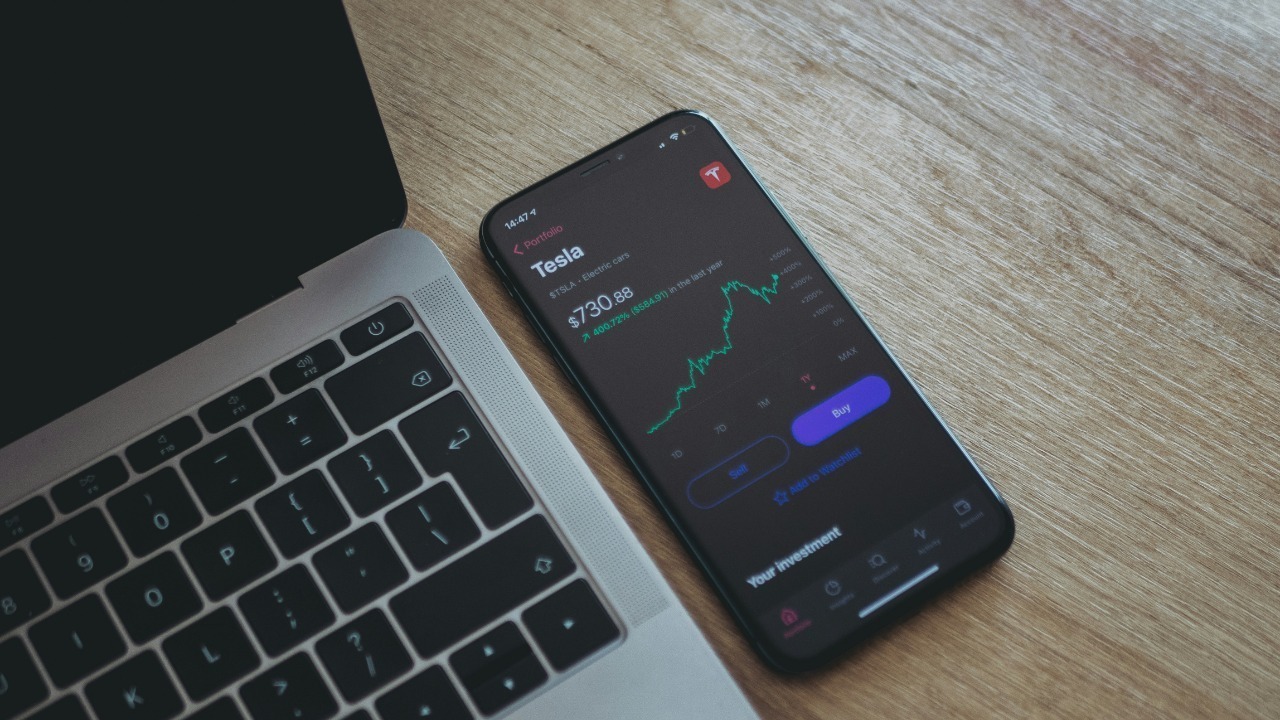
The market tape around the SpaceX news tells its own story. The Tesla stock price fell by 0.131% on the last day of trading, slipping from $439.15 to $438.57, and it has now fallen three days in a row. Another snapshot of The Tesla trend flags a negative short term forecast, which fits with the idea that traders are quick to sell on any sign of fresh uncertainty. When a stock that once shrugged off controversy starts reacting to incremental headlines, I read that as a sign that the margin for error has narrowed.
That fragility has been building for weeks. A detailed blog on how Tesla Stock Struggles in 2026 describes how the shares have faced heavy selling pressure and some of the highest trading volume in the company’s history. Another analysis of Tesla Stock Strugg points to a market that is still trying to find a new equilibrium after years of explosive gains. In that context, the 1.8% slide tied to SpaceX banker talk is less about the absolute move and more about what it reveals: investors are increasingly willing to question whether Tesla still deserves its old premium.
Musk’s multi-front agenda complicates the story
Layered on top of cars and rockets is Musk’s growing push into AI and chips, which further complicates how I think about Tesla’s place in his empire. One investor account notes that Nvidia‘s Blackwell chips began shipping in volume in the first quarter of 2025, and xAI, with its substantial allocation, will be a major customer. That AI buildout is strategically important for Tesla’s autonomous driving ambitions, but it also means Musk is juggling yet another capital intensive, high stakes project. When I add a $25 billion plus SpaceX IPO to that mix, the question becomes how much bandwidth remains for the grind of scaling Model Y, Cybertruck and future mass market vehicles.
Investors have already heard Musk warn that there could be “rough quarters” ahead, and coverage of Tesla’s Full Self Driving roadmap noted that the company plans to Get Additional Reasoning Features into its software in the near term. That kind of long term, software heavy promise is part of why some bulls still see Tesla as a tech platform rather than just an automaker. Yet when I weigh it against the immediate reality of lost EV market share, falling deliveries and a looming SpaceX IPO, it is clear why the stock is reacting sharply to any sign that Musk’s priorities might be shifting.
More From The Daily Overview

Silas Redman writes about the structure of modern banking, financial regulations, and the rules that govern money movement. His work examines how institutions, policies, and compliance frameworks affect individuals and businesses alike. At The Daily Overview, Silas aims to help readers better understand the systems operating behind everyday financial decisions.