Property taxes have long been the price of admission to American homeownership, underwriting schools, police, parks and libraries. Now lawmakers and activists in Texas and Ohio are trying to blow up that bargain, promising to end annual tax bills on homes and land altogether. Their campaigns tap into deep frustration over rising assessments, but they also raise a harder question: if the tax on property disappears, who pays instead, and how much more fragile do core public services become?
What is emerging in these two states is not just a fight over line items on a bill, but a test of whether the United States shifts more heavily toward taxing what people buy rather than what they own. The push to erase property taxes could ease pressure on homeowners, yet it risks shifting the load onto renters and consumers through higher sales taxes and fees. That tradeoff, if it spreads, would reshape the country’s tax map and, over time, widen the gap between those with appreciating assets and those living paycheck to paycheck.
Texas turns property tax relief into a campaign to end school levies
In Texas, Republican leaders have turned property tax relief into a defining political project, with the long term goal of eliminating school maintenance and operations taxes on homes. The state has already poured billions into rate compression and homestead exemptions, including targeted relief for older homeowners, and the next phase is framed as finishing the job rather than starting from scratch. The political logic is straightforward: in a fast growing state where home values have surged, promising to end school property taxes is one of the few ideas that can unite suburban families, rural landowners and small business operators.
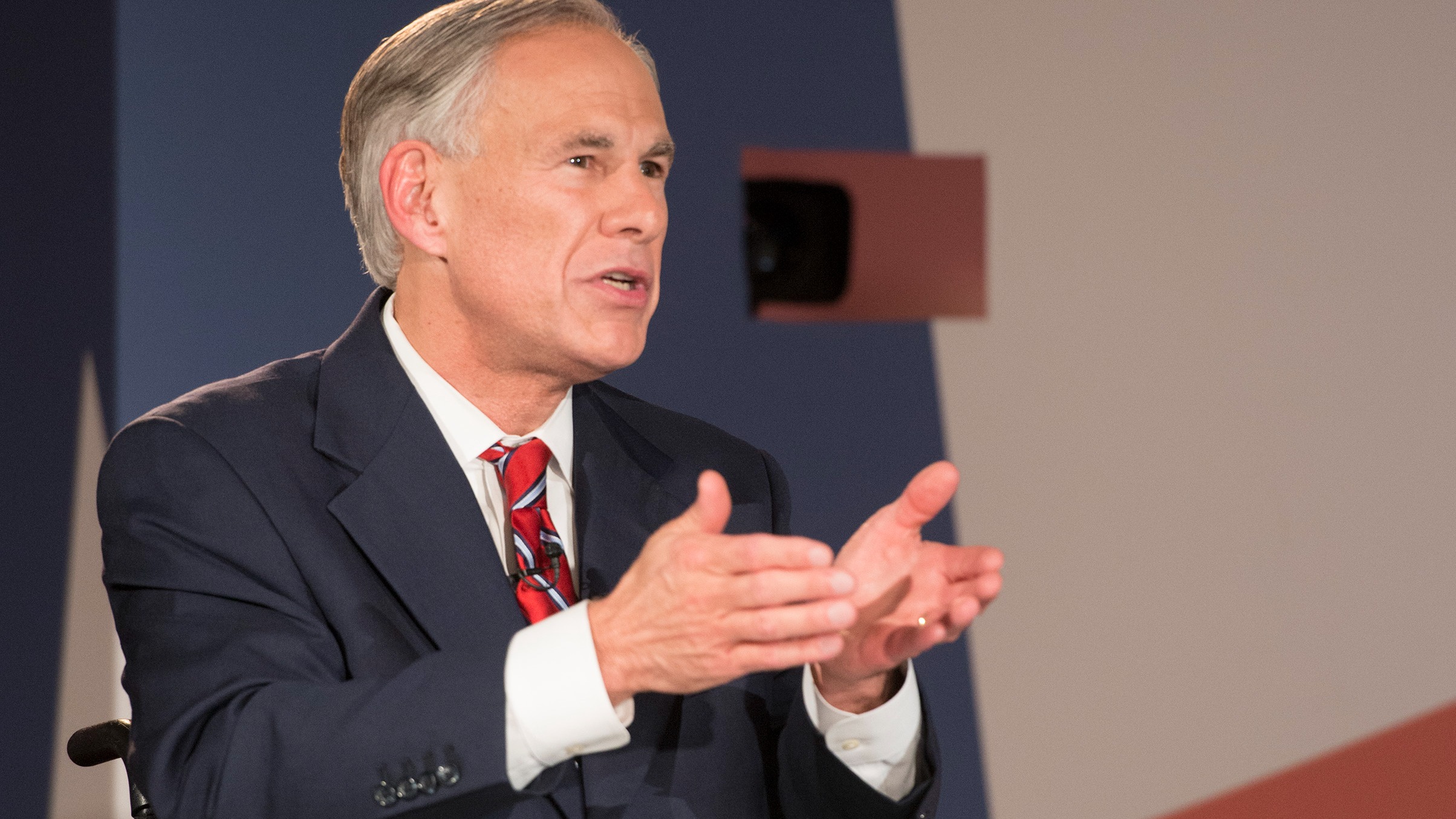
Governor Greg Abbott has made that ambition central to his reelection message, telling voters that he wants to wipe out school property taxes for homeowners and replace them with state level funding, a pledge that has sharpened a split inside the Texas GOP over how fast to move and how to pay for it, according to coverage of Gov. Greg Abbott. Lieutenant Governor Dan Patrick has pushed in the same direction, championing repeated increases in the school homestead exemption and signaling that further cuts will be a top Republican priority in the next legislative session, as reflected in reporting on Dan Patrick. Their strategy leans on the state’s strong revenue growth and on a broader conservative argument that Texas, already known for having no state income tax, can become even more attractive to investors and migrants by steadily buying down school levies.
The Texas “buydown” blueprint and local government anxiety
The policy mechanism behind this vision is a buydown model in which the state uses surplus dollars to pay down school property tax rates year after year. Under this approach, every dollar not spent elsewhere is directed to reduce the maintenance and operations tax, with the goal of eventually driving that rate to zero for homeowners. Advocates argue that this creates a virtuous cycle in which economic growth feeds state coffers, which then fund tax cuts that, in turn, attract more growth, a framework laid out in detail in a one pager titled “Lower Taxes, Better Texas: Eliminating Property Taxes in Texas Through Buydown Over Time,” which notes that buydown approach every unspent state dollar produces a property tax cut for Texans. For homeowners, especially those on fixed incomes, the promise is simple and powerful: over time, the school portion of their bill shrinks until it disappears.
Local officials, however, see a different risk profile. Cities, counties and school districts worry that tying their primary revenue source to the ups and downs of state budgeting could leave them exposed in a downturn, particularly if lawmakers prioritize new programs or other tax cuts over continuing the buydown. Recent legislative developments, including measures like Texas Senate Bill 4 that affect appraisal caps, local tax rates and how school districts calculate their levies, have already complicated planning for local budgets, as outlined in an analysis of Texas legislative developments. When an Abbott spokesperson stresses that any new homestead exemption increases must be paired with state funding for counties, cities and other locales, as reported in coverage of Lt. Gov. Dan, it is an implicit acknowledgment that the buydown model only works if the state keeps writing ever larger checks.
Ohio’s ballot-box revolt: from $3 billion in relief to a total ban
While Texas leaders are driving the change from the top down, Ohio’s property tax rebellion is bubbling up from the grassroots. A group of activists has formed the Committee to Abolish Ohio’s Property Taxes and is pushing a constitutional amendment that would eliminate real property taxes on land, buildings, structures and improvements statewide. The proposal, formally titled the Ohio Eliminate and Prohibit Taxes on Real Property Initiative, would bar the state and local governments from levying such taxes at all, according to a detailed description of the Ohio Eliminate and. Supporters frame the effort in stark terms, arguing that “if you can lose it for taxes, you do not own it,” a slogan highlighted in reporting on citizen activism In Ohio.
State leaders have already responded to the political pressure with a sweeping $3 billion overhaul designed to soften property tax hikes and change how bills are calculated. House Bill 335 adjusts the way Ohio’s 20 mill floor interacts with rising values and is expected to reduce school property taxes by hundreds of millions of dollars in the late 2020s, according to an overview of changes to Ohio’s. Agricultural and rural communities, which had effectively been on an automatic escalator because of the 20 mill floor, are expected to see particular relief, as explained in an initial view of Ohio property tax. Yet for the Committee to Abolish Ohio’s Property Taxes, these changes are treated as a down payment, not a solution, and they are still working to place their amendment on the November 3, 2026 ballot, as noted in a report on how Ohioans formed the.
DeWine’s 20 percent warning and the inequality tradeoff
Governor Mike DeWine has emerged as the most prominent critic of the Ohio amendment, warning that abolishing property taxes without a detailed replacement plan would blow a hole in school and local government budgets. He has argued that to keep services whole, the state sales tax might have to climb to 20 percent, a level he has described as “absolutely devastating” for families and businesses, according to televised remarks by Governor Mike DeWine. A separate report from Columbus notes that DeWine’s administration has already backed more than 2 billion dollars in property tax relief but still sees the proposed constitutional ban as a bridge too far, highlighting the tension between incremental reform and outright abolition in COLUMBUS, Ohio. His 20 percent figure is less a precise forecast than a political flare, but it captures the core arithmetic: if one major tax disappears, another has to swell or services must shrink.
That tradeoff is where the equity implications become clearest. Property taxes fall more heavily on those who own valuable real estate, while sales taxes hit every purchase, from groceries to school supplies, and take a larger share of income from lower earners. If Ohio were to replace school and local levies with a sharply higher sales tax, the burden would shift from wealthier property owners to renters and working class consumers, a pattern that tax analysts have flagged in broader discussions of consumption based systems, including an analysis by the Tax Foundation’s Jared Walczak that framed 2026 as a potential turning point in the debate over homeowner levies, as noted in a piece citing Tax Foundation research. If that shift spreads beyond Ohio and Texas, it would mark a quiet but profound redistribution of who pays for public goods, with long term consequences for inequality.
More From The Daily Overview
*This article was researched with the help of AI, with human editors creating the final content.

Julian Harrow specializes in taxation, IRS rules, and compliance strategy. His work helps readers navigate complex tax codes, deadlines, and reporting requirements while identifying opportunities for efficiency and risk reduction. At The Daily Overview, Julian breaks down tax-related topics with precision and clarity, making a traditionally dense subject easier to understand.

