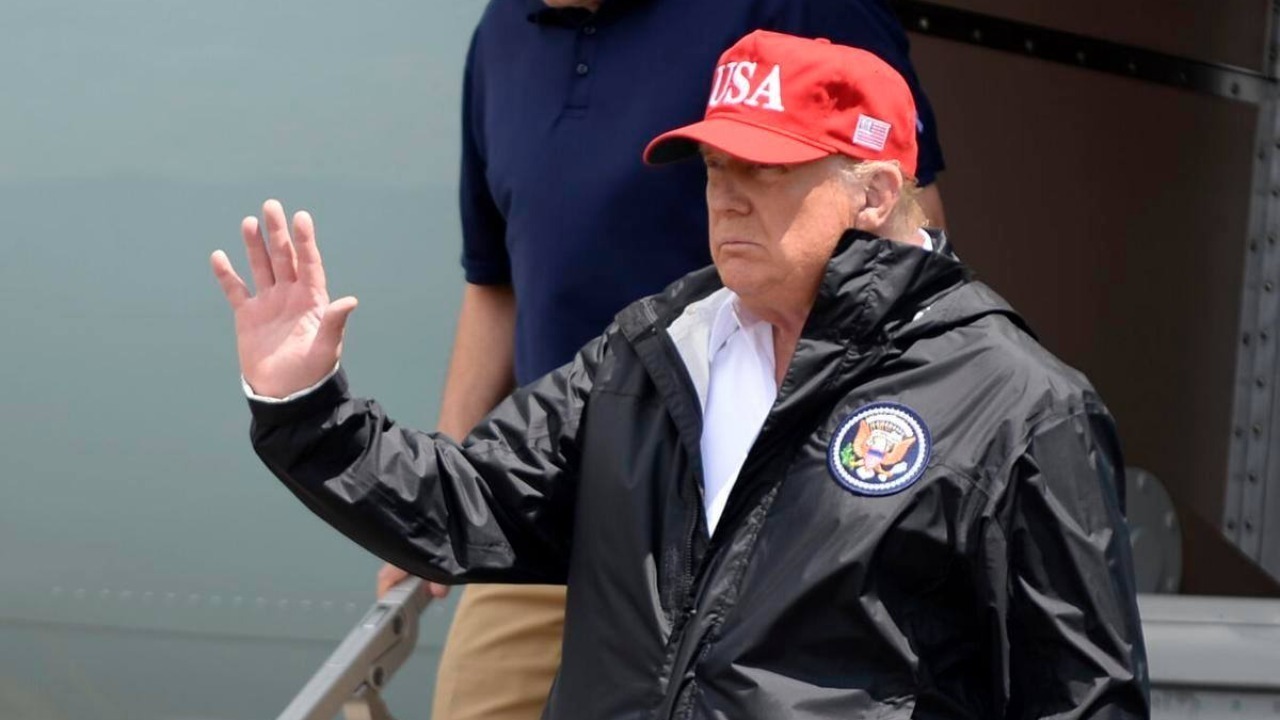
Standing before a cheering crowd in Iowa, President Trump promised to “supercharge” the economy just as the 2026 midterm races begin to harden. He cast himself as the architect of a “booming” recovery, insisting that incomes are rising and grocery prices are falling, even as official inflation data tells a more complicated story. The clash between that confident narrative and the lived reality of voters, especially in rural states that decided the 2024 race, will shape not only who controls Congress but how Americans judge Trump’s economic stewardship.
What I see emerging in Iowa is less a traditional stump speech and more a stress test of Trump’s core political bet: that if he can convince working- and middle-class voters he personally tamed inflation and revived growth, they will reward his party regardless of whether their own bills back up the boast. The midterms will show whether that bet still pays off in places where farm incomes, energy costs, and small-town main streets are on the line.
Trump’s “booming” story meets stubborn prices
In his Iowa appearance, Trump described the economy as “booming,” telling supporters that paychecks are getting bigger and that grocery costs are coming down. In one televised segment, the president was quoted declaring that the economy is “booming, incomes are going up and grocery prices down,” a line that neatly captures the upbeat story he wants voters to internalize, even as many families still feel squeezed at the checkout line. The political logic is clear: if he can turn every supermarket run into a reminder of his claimed success, he can blunt Democratic attacks on lingering inflation.
Independent data, however, complicates that picture. Coverage of the Iowa speech noted that Trump claimed to have personally brought down grocery prices even though the Consumer Price Index still shows prices elevated compared with pre-pandemic levels, with only modest easing in some categories. Another report on the same event quoted Trump touting a “booming” economy in Iowa as midterms loom, underscoring how central that phrase has become to his message and how often he repeats that incomes are rising and grocery prices falling in states he carried in 2024, including key Midwestern battlegrounds like Iowa. That gap between macro indicators and household budgets is where Democrats see an opening, but it is also where Trump’s talent for simple, confident storytelling has historically been most potent.
From “day one” promises to midterm pressure
Trump’s Iowa pitch did not emerge in a vacuum. It is the latest chapter in a long-running narrative in which he casts himself as the leader who can flip a struggling economy into a success story almost by force of will. During his 2024 campaign, he pledged that, “Starting on day one, we will end inflation and make America affordable again, to bring down the prices of all goods,” a sweeping promise cataloged in a timeline of Trump’s that also highlights his vow to “bring us back” from what he portrayed as a period of national decline. Those early commitments set a high bar, and they now frame how voters will judge his claims that the mission has already been accomplished.
Inside the White House, Trump’s team is banking on policy mechanics catching up with the rhetoric. Advisers are hoping that an economic turnaround materializes as measures like the extension of tax cuts kick in so that, by the time ballots are cast, voters will feel that these policies “are already delivering results,” as one analysis of Trump’s midterm strategy put it. That same reporting notes that Trump is trying to turn the economy “back on” Democrats, essentially arguing that any remaining pain is the lingering effect of earlier policies he inherited rather than a verdict on his own tenure. The risk is that voters may not parse that distinction when they open their credit card statements.
Iowa as test lab: farmers, tariffs and tech
Iowa is where this economic story becomes tangible, because it is one of the few places where Trump’s trade, energy and tech policies collide directly with daily life. In his Iowa speech, he did not just talk about inflation; he also leaned heavily on energy policy, touting an initiative to let tech companies build their own power sources in rural areas and insisting that such moves would be “great for the farmers.” Coverage of the event described how, aside from the economy, Aside from the focused on energy on Tuesday, Touting his plan to let tech companies build their own power infrastructure and promising that it would help rural communities. For farmers facing volatile diesel prices and rising input costs, the idea of cheaper, more reliable power is appealing, but the benefits are far from guaranteed.
Democrats in the state argue that Trump’s broader economic agenda has already hurt the very people he claims to champion. Iowa Democratic Party chairwoman Rita Hart has stressed that Mr Trump’s tariff policies have hurt Iowa farmers and said those measures have “taken a wrecking ball to our economy,” a critique highlighted in national coverage of his visit to Iowa Democratic Party responses. The party’s own organizing hub, reflected on the Iowa Democrats site, has been amplifying that message, tying tariffs to lower commodity prices and uncertainty in export markets. When Trump insists that new tech-driven energy projects will be “great for the farmers,” he is not just making an economic claim; he is trying to overwrite years of anxiety in a state where his trade wars were felt in every grain elevator.
Leadership shake-ups and a hard-edged message
Trump’s Iowa push comes as he is also reshaping his own team. One broadcast segment described “President Trump in Iowa pushing his economic message ahead of the 2026 midterms, this coming as the president shaking up lead…” in his administration, a reference to leadership changes that have raised questions about internal stability and policy follow-through. The clip, which showed President Trump in, underscored how he is trying to project control and momentum even as key economic and political advisers move in and out of top roles. Frequent shake-ups can signal urgency and a desire for fresh thinking, but they can also slow the implementation of complex policies like tax changes and energy infrastructure plans that require sustained bureaucratic focus.
At the same time, Trump is pairing his economic pitch with a familiar, hard-edged message on immigration and national identity. In one YouTube clip from late January, he described what he called a “mass invasion of our border” and said the country was being “laughed at all over” the world, language that appeared in a Jan border clip that has circulated widely among his supporters. Another video segment captured him again in late January declaring that the economy is “booming” and that grocery prices are down while he attacked what he called the “Biden” record, a moment preserved in a Jan video. The fusion of economic boasting with warnings about border “invasion” is not accidental; it is designed to frame prosperity and security as a single package that only he can deliver.
More From The Daily Overview
*This article was researched with the help of AI, with human editors creating the final content.

Grant Mercer covers market dynamics, business trends, and the economic forces driving growth across industries. His analysis connects macro movements with real-world implications for investors, entrepreneurs, and professionals. Through his work at The Daily Overview, Grant helps readers understand how markets function and where opportunities may emerge.

