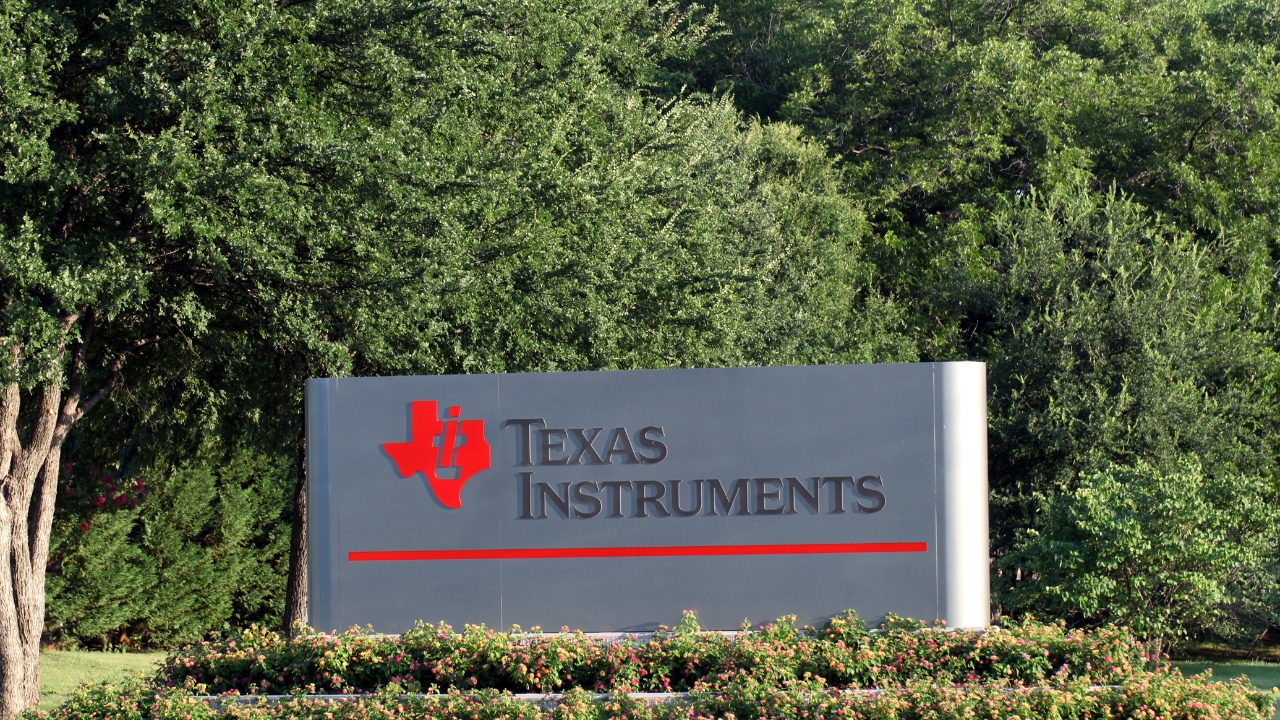
Texas Instruments, a prominent semiconductor manufacturer headquartered in Dallas, has announced the elimination of 400 jobs at its facilities in Richardson and Sherman. This decision is part of a broader strategy to cut costs amid declining demand in the manufacturing sector. Despite these layoffs, the company is actively pursuing hundreds of H-1B visas to recruit skilled foreign labor, highlighting a complex dynamic in the local tech and manufacturing economy. This development, reported on October 21, 2025, underscores the challenges faced by the industry in balancing domestic employment with the need for specialized talent.
Details of the Job Cuts
Texas Instruments is set to cut 400 positions across its Dallas-area operations, affecting sites in Richardson and Sherman. This decision comes as a response to a downturn in semiconductor demand and an inventory overhang that has plagued the manufacturing industry. The layoffs, announced in late 2025, primarily impact engineering and production staff, reflecting the company’s need to streamline operations in the face of economic pressures. The affected employees are part of a broader trend of job reductions in the sector, as companies grapple with shifting market conditions.
The rationale behind these cuts is rooted in the declining demand for semiconductors, which has led to an excess of inventory and reduced production needs. As a result, Texas Instruments has been forced to reassess its workforce requirements, focusing on maintaining efficiency and competitiveness in a challenging economic environment. The decision to target engineering and production roles highlights the specific areas where the company sees the most significant need for adjustment.
Texas Instruments’ H-1B Visa Strategy
In contrast to the job cuts, Texas Instruments is actively recruiting foreign talent by filing for hundreds of H-1B visas for fiscal year 2025. These visas are intended to fill specialized roles in semiconductor design and manufacturing, areas where the company seeks to maintain a competitive edge. The pursuit of H-1B visas underscores the company’s commitment to securing high-skill positions, even as it reduces its domestic workforce in the Dallas area.
The juxtaposition of job cuts and visa pursuits highlights a strategic focus on acquiring specialized skills that may not be readily available in the local labor market. The H-1B visa program, capped at 85,000 annually, plays a crucial role in enabling companies like Texas Instruments to access global talent pools. Historically, the company has secured a significant share of these visas, reflecting its ongoing need for expertise in cutting-edge semiconductor technologies.
Broader Decline in Area Manufacturing
The layoffs at Texas Instruments are part of a broader decline in the manufacturing sector in North Texas. The region has experienced reduced output in semiconductors and electronics, contributing to the company’s decision to cut jobs. This trend is mirrored by slowdowns at other local firms, which have also faced challenges due to global supply chain issues and decreased demand reported in 2025.
Economic factors such as these have led to a contraction in the industry, with companies struggling to adapt to changing market dynamics. The impact of these challenges is evident in the 400-job reduction at Texas Instruments, as well as similar measures taken by other firms in the area. The decline in manufacturing output has significant implications for the local economy, affecting not only employment but also the broader economic landscape.
Implications for Local Workforce
The 400 layoffs at Texas Instruments are expected to exacerbate unemployment in manufacturing hubs like Richardson, affecting the local workforce significantly. Employees displaced by these cuts face potential challenges in finding new employment opportunities, particularly in a sector experiencing widespread contraction. Texas Instruments has indicated that it will offer severance packages and transition support to affected workers, but the broader implications for the community remain a concern.
Community responses to the layoffs have included concerns from local unions and policymakers about the balance between domestic job losses and the influx of H-1B visa holders. These stakeholders emphasize the need to protect local employment while recognizing the importance of attracting specialized talent to maintain competitiveness. The situation at Texas Instruments serves as a microcosm of the broader challenges facing the manufacturing industry in North Texas, as companies navigate the complexities of a globalized economy.
For more details on Texas Instruments’ job cuts and visa strategy, visit the Dallas Express.
More From TheDailyOverview
- Dave Ramsey says these two simple questions show whether you’re rich or poor
- Retired But Want To Work? Try These 18 Jobs for Seniors That Pay Weekly
- IRS raises capital gains thresholds for 2026 and what’s new
- 12 ways to make $5,000 fast that actually work

Grant Mercer covers market dynamics, business trends, and the economic forces driving growth across industries. His analysis connects macro movements with real-world implications for investors, entrepreneurs, and professionals. Through his work at The Daily Overview, Grant helps readers understand how markets function and where opportunities may emerge.

