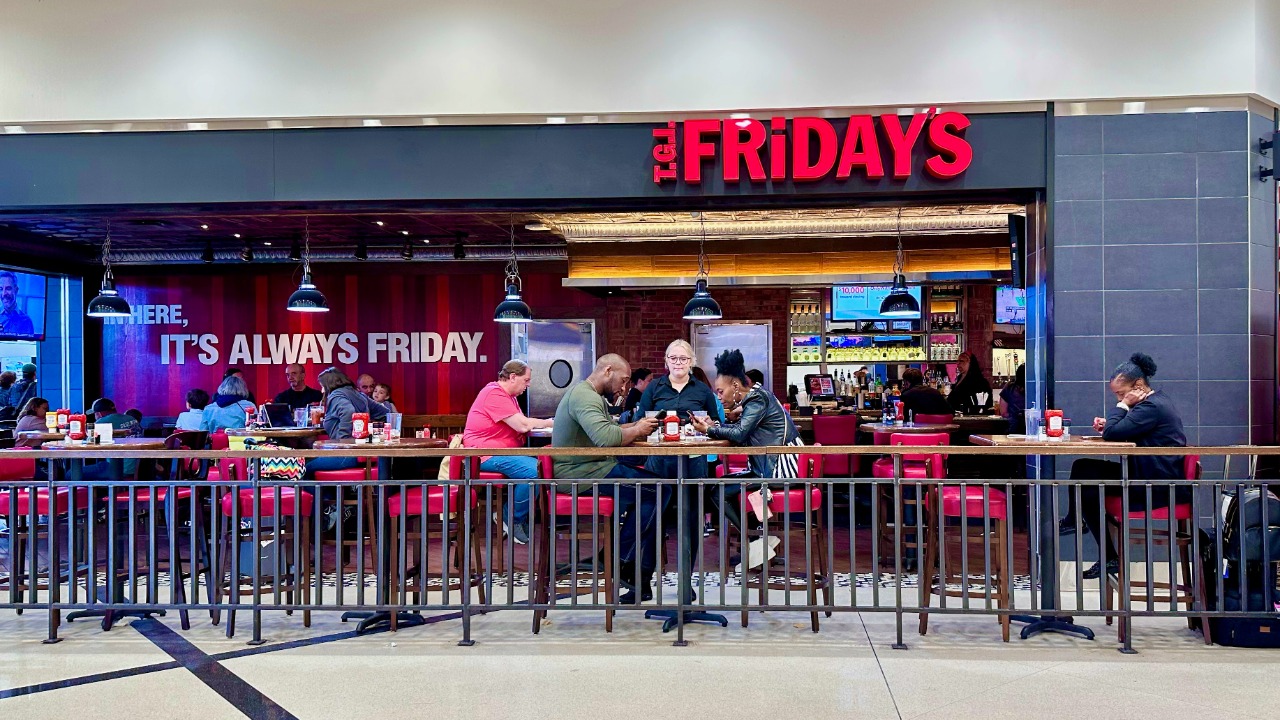
TGI Fridays is shrinking at a pace that would have been unthinkable when its red-and-white awnings defined the casual dining boom. After reporting a $477 million loss and moving to close roughly 71 percent of its U.S. restaurants, the chain is now a case study in how quickly a legacy brand can unravel when debt, changing consumer habits, and operational missteps collide.
I see the retrenchment as more than a one-off corporate stumble. It is a sharp signal that the old playbook of big-box dining, heavy promotions, and aging real estate is breaking down, and that even well-known names are being forced into drastic restructurings to stay alive.
The scale of the loss and the 71% shutdown shock
The headline numbers are stark: TGI Fridays booked a $477 million loss and is shuttering about 71 percent of its U.S. locations, a contraction that would gut any national footprint, let alone one built on ubiquity. The closures sweep across company-owned and franchised restaurants, leaving only a fraction of the original estate operating and instantly shrinking the brand’s visibility in many suburbs and highway corridors. That kind of retrenchment is not a routine pruning of underperformers, it is the kind of emergency triage that typically follows years of mounting financial strain, as reflected in the reported loss figure and the scale of the 71 percent shutdown.
When a chain that once symbolized mainstream casual dining cuts more than two-thirds of its restaurants, it signals a structural break rather than a cyclical dip. The remaining units now have to carry the brand’s reputation and cash flow, even as they absorb displaced demand from closed sites and navigate the same cost pressures that helped trigger the crisis. The company’s own disclosures around the restructuring underscore that this is a survival move, not a tactical reset, and that lenders and landlords are being asked to share in the pain.
How debt, leases, and private equity set the stage
Behind the dramatic closures sits a familiar balance sheet story: heavy leverage, long-term leases, and a private equity ownership structure that left little room for error once traffic softened. TGI Fridays has cycled through financial sponsors and debt refinancings, layering obligations that were manageable in the era of steady dine-in volumes but far more punishing once sales growth stalled. The company’s filings around its debt load and lease commitments show a business locked into expensive real estate at a time when customers were drifting to cheaper, faster options.
Private equity ownership can bring discipline and capital, but it can also prioritize financial engineering over long-term brand renewal. In the case of TGI Fridays, the combination of sale-leaseback deals, franchise arrangements, and interest costs left the chain exposed when margins tightened. As the reported lease liabilities and interest expenses mounted, management had fewer resources to refresh menus, modernize dining rooms, or invest in technology that might have kept the concept competitive with newer rivals.
Shifting consumer habits and the casual dining squeeze
The financial stress did not happen in a vacuum. Casual dining has been squeezed for years by the rise of fast-casual brands, app-driven delivery, and a younger customer base that is less attached to sit-down chains. TGI Fridays, with its bar-centric layout and heavy, indulgent menu, struggled to keep pace with consumers who now expect customizable bowls, plant-forward options, and frictionless digital ordering. Industry data on traffic declines in the casual segment show that the pressure was broad, but Fridays was particularly exposed because so much of its identity was tied to a 1990s-style dining experience.
At the same time, the pandemic-era shift toward takeout and delivery rewarded brands that could pivot quickly to off-premise formats and smaller footprints. While some competitors leaned into streamlined menus and ghost kitchens, TGI Fridays was still carrying large dining rooms and bar spaces that were expensive to staff and heat even when tables were not full. Reports on the chain’s sales mix and off-premise performance suggest that it never fully closed the gap with more nimble rivals, leaving it with a cost structure that no longer matched how people wanted to eat.
Rising costs, wage pressure, and operational drag
Even if demand had held steady, the economics of running a full-service restaurant have become significantly tougher, and TGI Fridays was hit on every major line item. Food inflation pushed up the cost of proteins and key ingredients, while higher wages and tighter labor markets raised the price of staffing kitchens and dining rooms. The company’s disclosures on labor expenses and commodity costs show a steady climb that eroded margins, especially in older units that lacked the volume to spread those increases across a large customer base.
Operational complexity added another layer of strain. A broad menu, full bar program, and legacy kitchen layouts can slow service and increase waste, which matters more when every percentage point of margin is under scrutiny. Internal assessments of unit economics point to wide performance gaps between top and bottom quartile stores, and the closures have disproportionately targeted those laggards. By cutting the weakest locations, management is trying to reset the cost base, but the underlying pressures of wages, utilities, and insurance will still weigh on the surviving restaurants.
What the retrenchment means for workers, landlords, and rivals
The human and local fallout from shutting down roughly seven out of ten restaurants is significant. Thousands of employees, from servers and bartenders to line cooks and managers, are losing jobs or being asked to relocate to the smaller network of surviving stores. Company statements on job impacts describe efforts to transfer staff where possible, but the math is unforgiving when the footprint shrinks this dramatically. Landlords, many of them owners of suburban strip centers and outparcels, are also facing sudden vacancies in large, specialized spaces that are not easy to re-lease.
For competitors, the retrenchment is both a warning and an opportunity. Other casual chains with similar formats and financial structures will see TGI Fridays as a cautionary tale about overleveraging and underinvesting in brand relevance. At the same time, fast-casual players and regional concepts are already eyeing the freed-up trade areas and customer base, as suggested by early reports of site takeovers and interest in former Fridays locations. I view the episode as a clear marker that the casual dining landscape is being redrawn, with legacy brands forced to either reinvent quickly or accept a much smaller role in the market.
More From TheDailyOverview
- Dave Ramsey warns to stop 401(k) contributions
- 11 night jobs you can do from home (not exciting but steady)
- Small U.S. cities ready to boom next
- 19 things boomers should never sell no matter what

Grant Mercer covers market dynamics, business trends, and the economic forces driving growth across industries. His analysis connects macro movements with real-world implications for investors, entrepreneurs, and professionals. Through his work at The Daily Overview, Grant helps readers understand how markets function and where opportunities may emerge.