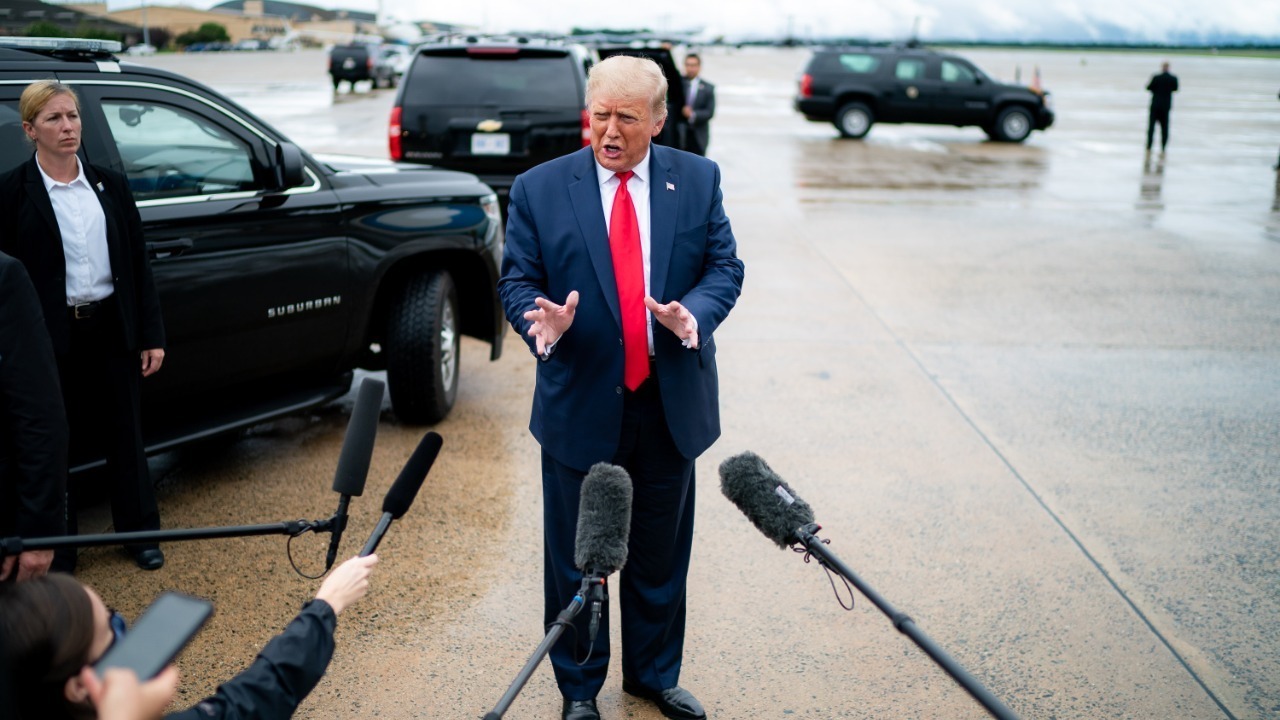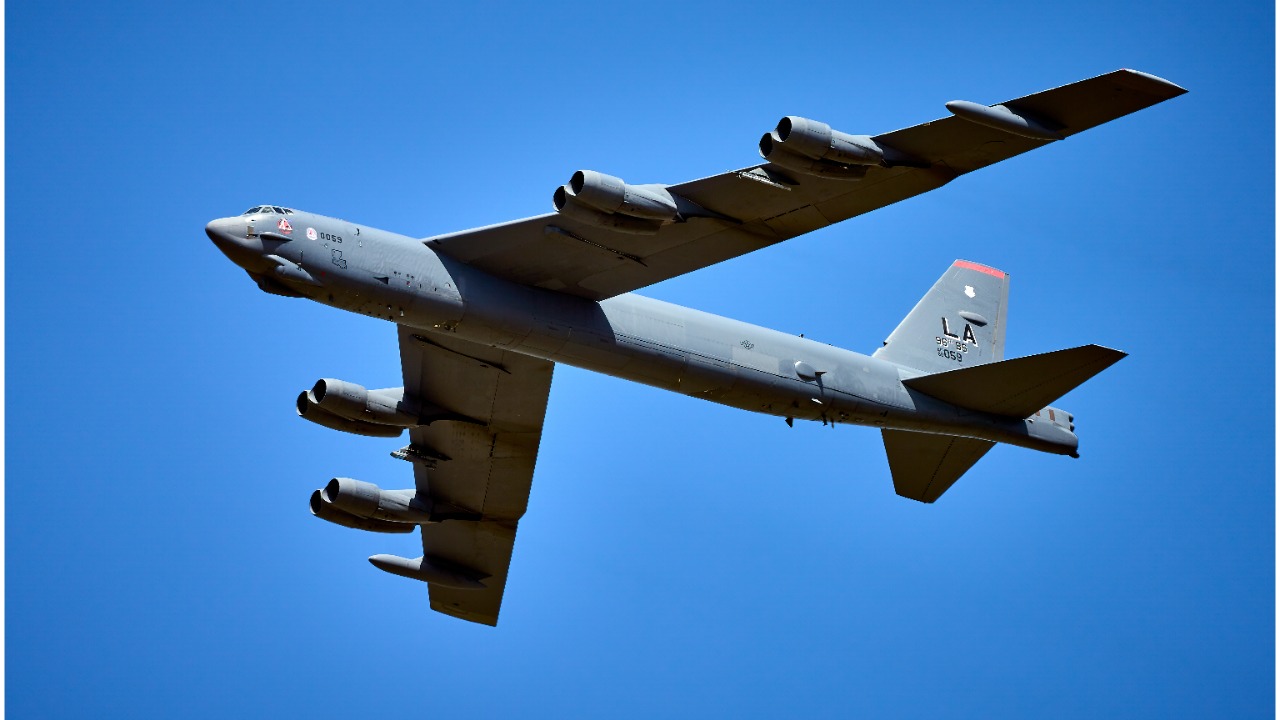
Lt. Gen. Michael Guetlein, President-elect Donald Trump’s nominee to lead U.S. Strategic Command, has emphasized that the 70-year-old B-52 bomber will essentially become “a new airplane” following long-awaited upgrades. This statement highlights a significant modernization effort for the U.S. nuclear arsenal. Guetlein’s comments, made during a defense industry event on November 4, 2025, underscore the transformative potential of these enhancements for America’s aging strategic fleet.
Background on the B-52’s Long Service
The B-52 Stratofortress first entered service in 1955, and over the decades, it has been a cornerstone of U.S. nuclear deterrence. Its operational history spans numerous conflicts, including the Vietnam War and the Gulf Wars, demonstrating its enduring strategic value. Despite its age, the B-52 has remained in service due to its robust design and adaptability, outlasting several planned retirement dates.
Throughout its service, the B-52 has undergone various incremental upgrades. In the 1990s and 2010s, the aircraft received engine replacements and avionics updates, which extended its operational life but fell short of a comprehensive modernization. These updates set the stage for the current overhaul, which has faced delays due to various challenges.
The bomber’s longevity has influenced decisions by the Air Force and Congress to continue investing in its future. This commitment to extending the B-52’s service life reflects its strategic importance and the need to maintain a credible nuclear deterrent.
Trump’s Nominee and the Upgrade Vision
Lt. Gen. Michael Guetlein, nominated by President-elect Trump to lead U.S. Strategic Command, has expressed confidence in the B-52’s upcoming transformation. He stated that the upgraded bomber will be “basically… ‘a new airplane’,” a sentiment shared during a defense conference on November 4, 2025. Guetlein’s background in Air Force acquisition programs, particularly in bomber sustainment, lends credibility to his optimistic outlook.
Guetlein’s vision marks a shift from previous administrations’ approaches, with the incoming Trump team prioritizing rapid execution of defense projects. This urgency is driven by recent global tensions that have exposed vulnerabilities in the U.S. strategic fleet, necessitating swift action to bolster national security.
Details and Timeline of the Upgrades
The B-52’s modernization program includes several core upgrades aimed at extending its viability through 2050. These enhancements feature new engines from Rolls-Royce, advanced radar systems, and the integration of hypersonic missiles. These improvements are designed to enhance the bomber’s performance and maintain its strategic relevance in modern warfare.
Despite the ambitious scope of the upgrades, the program has faced significant delays. Initial contracts were signed in 2019, but supply chain issues and budget constraints have pushed the timeline for full operational capability into the late 2020s. These setbacks highlight the challenges of modernizing aging military assets while balancing fiscal and logistical constraints.
The upgrades have implications for various stakeholders, including Boeing, the prime contractor, which stands to benefit from the continued investment in the B-52. Additionally, U.S. allies, particularly in the Indo-Pacific region, rely on the bomber’s extended range and capabilities to support regional security objectives.
More From TheDailyOverview
- Dave Ramsey warns to stop 401(k) contributions
- 11 night jobs you can do from home (not exciting but steady)
- Small U.S. cities ready to boom next
- 19 things boomers should never sell no matter what

Grant Mercer covers market dynamics, business trends, and the economic forces driving growth across industries. His analysis connects macro movements with real-world implications for investors, entrepreneurs, and professionals. Through his work at The Daily Overview, Grant helps readers understand how markets function and where opportunities may emerge.