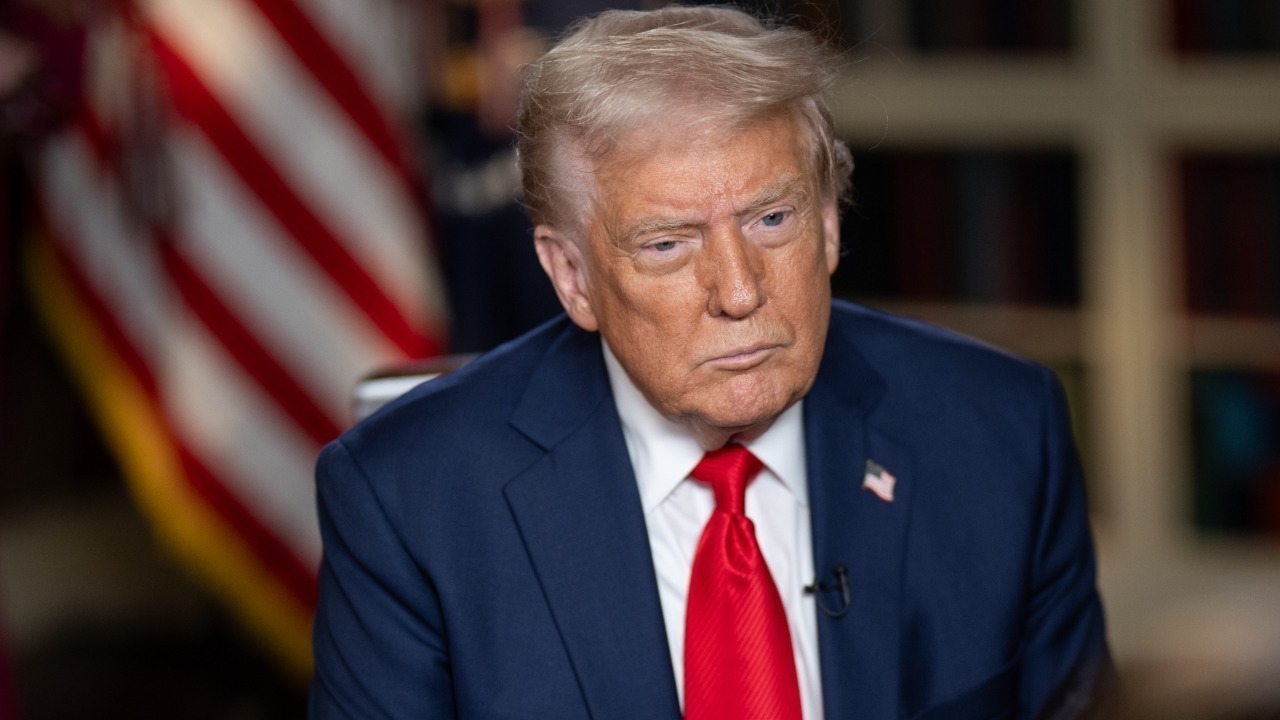
The U.S. Supreme Court ruled on February 20, 2026, that President Donald Trump overstepped his authority when he imposed sweeping global tariffs on goods from all countries, striking down most of the levies. The decision landed like a relief for importers who had spent months absorbing steep duties, but for small businesses that already paid those costs, passed them on to customers, or cut staff to survive, the ruling does not erase the financial wreckage. A legal victory, it turns out, is not the same thing as a refund check.
What the Supreme Court Actually Struck Down
The tariffs at issue trace back to a 2025 proclamation, issued as Presidential Proclamation No. 10886, which invoked the International Emergency Economic Powers Act to justify emergency duties on imports. The Supreme Court found the emergency predicate insufficient, invalidating most of the tariff regime in a case captioned V.O.S. Selections, Inc. v. Trump and State of Oregon v. Trump, documented in slip opinion 25-66 from the U.S. Court of International Trade. The ruling concluded that the executive branch had exceeded the scope of its statutory powers and that the proclaimed emergency could not sustain a blanket tariff program aimed at every trading partner.
News coverage emphasized the breadth of the decision, with one report noting that the justices rejected Trump’s attempt to “slap tariffs on goods from all countries” under an emergency rationale, according to BBC reporting. Business owners greeted the decision with cautious optimism rather than celebration. “If the government is bound and determined to try to harm us through excessive taxes, I’m sure they’ll find a way,” said Woldenberg, a small importer whose firm nearly collapsed under the added costs, as quoted by the BBC’s coverage of affected firms. That skepticism reflects a hard truth: even with the legal question settled, the practical question of who gets their money back is far from resolved.
Why Refunds Remain Out of Reach for Small Firms
The customs system was never designed for mass refunds triggered by a court decision. A nonpartisan analysis from the Congressional Research Service, published as a CRS “In Focus” brief, lays out the procedural barriers. Tariff entries are “liquidated” after a set window, and importers seeking “reliquidation” must file protests within strict deadlines. Once liquidation becomes final, Customs and Border Protection generally lacks authority to revisit the duty assessment, even when a later court ruling undermines the legal basis for the charge. For many small businesses that paid duties months ago, those deadlines have already passed, leaving them with no administrative path to recover what they spent.
Large corporations with dedicated trade-compliance teams and outside counsel were far better positioned to preserve their protest rights from the start. They tracked each entry number, monitored legal challenges, and filed protective claims to keep their options open. By contrast, a small importer that relies on a freight forwarder or customs broker may never have been told that a protest was even possible, much less that it had to be filed within 180 days. Consumers face an even bleaker outlook. The duties were paid by importers at the border, not by shoppers at the register, which means there is no mechanism to refund end consumers directly, as Associated Press coverage has explained in similar disputes. The cost increases that small retailers and wholesalers absorbed or passed along through higher shelf prices are now baked into months of transactions that cannot be unwound.
Corporate Lobbying vs. Small-Business Reality
Major trade groups and large firms have moved quickly to demand refunds, pressing the government for streamlined payouts and clarifying guidance, according to reporting in the Financial Times. These companies have the legal infrastructure to file claims, track entry numbers, and pursue litigation if administrative channels stall. Their lobbying power gives them a seat at the table as policymakers decide how to process billions of dollars in collected duties and whether to create any special refund programs. For them, the Supreme Court ruling is not just a constitutional victory; it is leverage in negotiations with the Treasury Department, Customs and Border Protection, and Congress.
Small importers, by contrast, often lack even basic records of which tariff line items applied to their shipments, let alone the resources to hire a customs attorney. Many relied on brokers who simply passed along higher landed costs without breaking out the exact duty amounts tied to the now-invalid tariffs. The result is a two-tier recovery system forming in real time. Companies with annual import volumes large enough to justify a legal department will likely recover a meaningful share of what they paid. A neighborhood retailer that sources specialty goods from overseas, or a family-run manufacturer that imports components, faces a different calculus entirely. The cost of pursuing a refund through protest filings and potential litigation can approach or exceed the amount owed, making the process economically irrational for the smallest players. The ruling addressed the legality of the tariffs but did nothing to fix the structural imbalance in who can actually claw back losses.
The RELIEF Act and Its Limits
On the same day the Supreme Court issued its decision, U.S. Congressman Greg Stanton, a Democrat representing Arizona’s 4th Congressional District, introduced the RELIEF Act, which would create an automatic refund process for small businesses. The proposal is narrowly targeted: it defines eligible firms based on employee headcount and revenue thresholds, then directs Customs to identify qualifying entries and issue refunds without requiring formal protests. In effect, the bill aims to bypass the protest-and-reliquidation maze that currently blocks most small importers from recovering funds. By automating refunds, the legislation would remove the burden of hiring counsel or meeting procedural deadlines that many owners did not even know existed when they paid the tariffs.
Whether the bill can pass is another question. Trade policy remains deeply polarized, and any legislation that effectively acknowledges the tariffs were unlawful carries political weight. Lawmakers who supported aggressive tariff tools as leverage in trade negotiations may resist anything that looks like retroactive repudiation. Even if the RELIEF Act gains traction, the timeline for passage and implementation could stretch well beyond the point where many affected businesses have already closed or restructured. The proposal addresses a real gap, but it arrives after months of damage that no refund can fully reverse. Inventory was sold at a loss. Employees were let go. Supply chains were rerouted at considerable expense. These decisions, made under duress, do not snap back to their original state because a court says the underlying policy was illegal.
A Ruling That Came Too Late for Many
The Supreme Court’s decision confirmed what many trade lawyers had argued from the outset: that the statutory limits on presidential power still matter, even in the realm of economic emergencies. But for small businesses that lived through the tariffs, the ruling feels belated. Owners who shuttered operations or took on expensive debt to survive cannot rewind the clock. Some shifted to domestic suppliers at higher ongoing cost, locking in thinner margins long after the contested duties disappear. Others exited import-heavy product lines entirely, ceding market share to better-capitalized competitors that could ride out the storm and now stand poised to benefit from a lower-tariff environment.
The episode also exposes how opaque the trade system is for non-specialists. The legal framework that enabled and then dismantled the tariffs is scattered across statutes, presidential proclamations, and technical regulations. Tools like the electronic Code of Federal Regulations API make it easier for experts to parse those rules in real time, but they do little for the average shop owner trying to understand why a container of goods suddenly costs 20% more. In the wake of the ruling, policymakers face a choice. They can treat the case as a one-off rebuke to an overreaching president, or they can confront the deeper problem it revealed: a trade and customs system in which those with lawyers and lobbyists can convert courtroom wins into cash, while everyone else is left with a hollow victory and a stack of unpaid bills.
More From The Daily Overview
*This article was researched with the help of AI, with human editors creating the final content.

Grant Mercer covers market dynamics, business trends, and the economic forces driving growth across industries. His analysis connects macro movements with real-world implications for investors, entrepreneurs, and professionals. Through his work at The Daily Overview, Grant helps readers understand how markets function and where opportunities may emerge.

