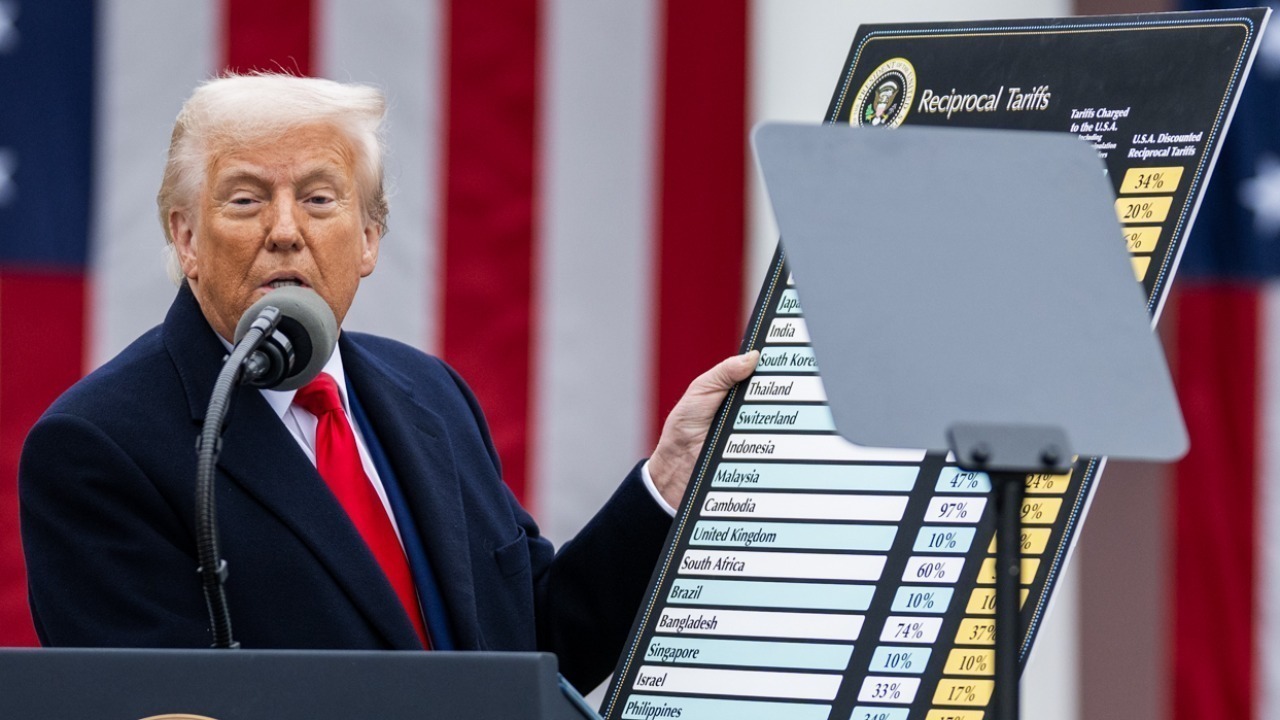
With tariffs on imported goods potentially driving up costs for U.S. consumers by an estimated 10-20% on items like electronics and clothing in 2025, adopting frugal habits becomes essential to maintain financial stability amid this economic turbulence. A detailed guide published on July 25, 2025, outlines practical strategies to counteract these price hikes without sacrificing quality of life. By focusing on mindful spending and resourcefulness, individuals can build resilience against ongoing trade policy shifts.
Prioritize Domestic Products Over Imports
As tariffs on Chinese electronics and Mexican produce increase prices on foreign goods, shoppers are encouraged to seek out U.S.-made alternatives to avoid the markup. This shift not only helps consumers save money but also supports local economies during trade disputes. Everyday items like clothing and appliances can often be found at a 15-30% discount compared to their tariff-affected imported counterparts. By choosing domestic products, consumers can mitigate the financial impact of tariffs while contributing to the local economy.
Identifying domestic products can be made easier through labels and apps designed to highlight U.S.-made goods. These tools provide consumers with the information needed to make informed purchasing decisions. The long-term benefits of this practice extend beyond immediate savings, as supporting local businesses can lead to a more robust economy that is less vulnerable to international trade fluctuations.
Implement Strict Meal Planning and Home Cooking
Tariffs on imported foods like avocados and seafood could raise grocery bills by up to 25%, making meal planning and home cooking a vital strategy for cost savings. By planning weekly meals around seasonal, local produce, consumers can reduce their reliance on expensive imported items. This approach not only helps manage grocery expenses but also encourages healthier eating habits by focusing on fresh, local ingredients.
Strategies such as bulk buying non-perishables and cooking from scratch can significantly cut dining-out costs, potentially saving households $500 annually amid rising food prices. Recipes that utilize affordable staples like rice and beans can stretch budgets further, providing nutritious meals without breaking the bank. Real-world examples of families adapting to tariff-driven inflation demonstrate the effectiveness of these methods in maintaining financial stability.
Adopt Energy-Saving Practices at Home
With tariffs on imported solar panels and appliances potentially hiking utility-related expenses, adopting energy-saving practices at home becomes crucial. Simple switches like LED bulbs and programmable thermostats can lower energy bills by 10-15%, providing immediate financial relief. Conducting an energy audit and sealing drafts are low-cost habits that counteract broader inflationary pressures from trade policies.
Community resources or rebates for efficient upgrades can further support these efforts, preserving savings during economic uncertainty. By embracing energy efficiency, households can reduce their environmental impact while also safeguarding their finances against the unpredictable effects of tariffs.
Embrace DIY Repairs and Maintenance
Tariffs on tools and parts from overseas could add 20% to repair costs, making DIY repairs and maintenance an attractive alternative. Learning basic fixes through online tutorials can extend the life of household items, saving money and fostering self-reliance. Common repairs like patching clothes or fixing furniture can result in estimated savings of $200-400 per year for average households.
Building a basic toolkit with domestically sourced items helps avoid import dependencies, further enhancing self-sufficiency in turbulent times. This approach not only reduces costs but also empowers individuals to take control of their home maintenance needs, reducing reliance on costly professional services.
Curate a Mindful Shopping Routine
Impulse buys on tariff-hit retail items can exacerbate budget strains, making a mindful shopping routine essential. Habits like making shopping lists and waiting 24 hours before purchases can reduce unnecessary spending by 30%. Comparison shopping across local stores versus online giants affected by duties offers additional savings opportunities, especially when timing sales to offset price increases.
Tracking expenses with apps can help identify spending patterns, ensuring that frugality aligns with personal financial goals amid policy volatility. By adopting a more intentional approach to shopping, consumers can better manage their finances and avoid the pitfalls of impulsive spending.
Build and Diversify Emergency Savings
As tariffs contribute to job market instability in import-reliant sectors, building and diversifying emergency savings becomes increasingly important. Aiming for 3-6 months of expenses in a high-yield account provides a robust financial buffer. Automating small daily transfers, such as $5-10 from avoided impulse buys, can grow reserves without feeling deprived.
Reviewing insurance and debt to minimize vulnerabilities allows individuals to redirect funds toward financial security in an unpredictable economy. By integrating frugal habits into their financial planning, consumers can strengthen their resilience against economic uncertainties and safeguard their future.
For more detailed strategies on adopting frugal habits amid tariff turbulence, visit GoBankingRates.
More From TheDailyOverview
- Dave Ramsey warns to stop 401(k) contributions
- 11 night jobs you can do from home (not exciting but steady)
- Small U.S. cities ready to boom next
- 19 things boomers should never sell no matter what

Grant Mercer covers market dynamics, business trends, and the economic forces driving growth across industries. His analysis connects macro movements with real-world implications for investors, entrepreneurs, and professionals. Through his work at The Daily Overview, Grant helps readers understand how markets function and where opportunities may emerge.