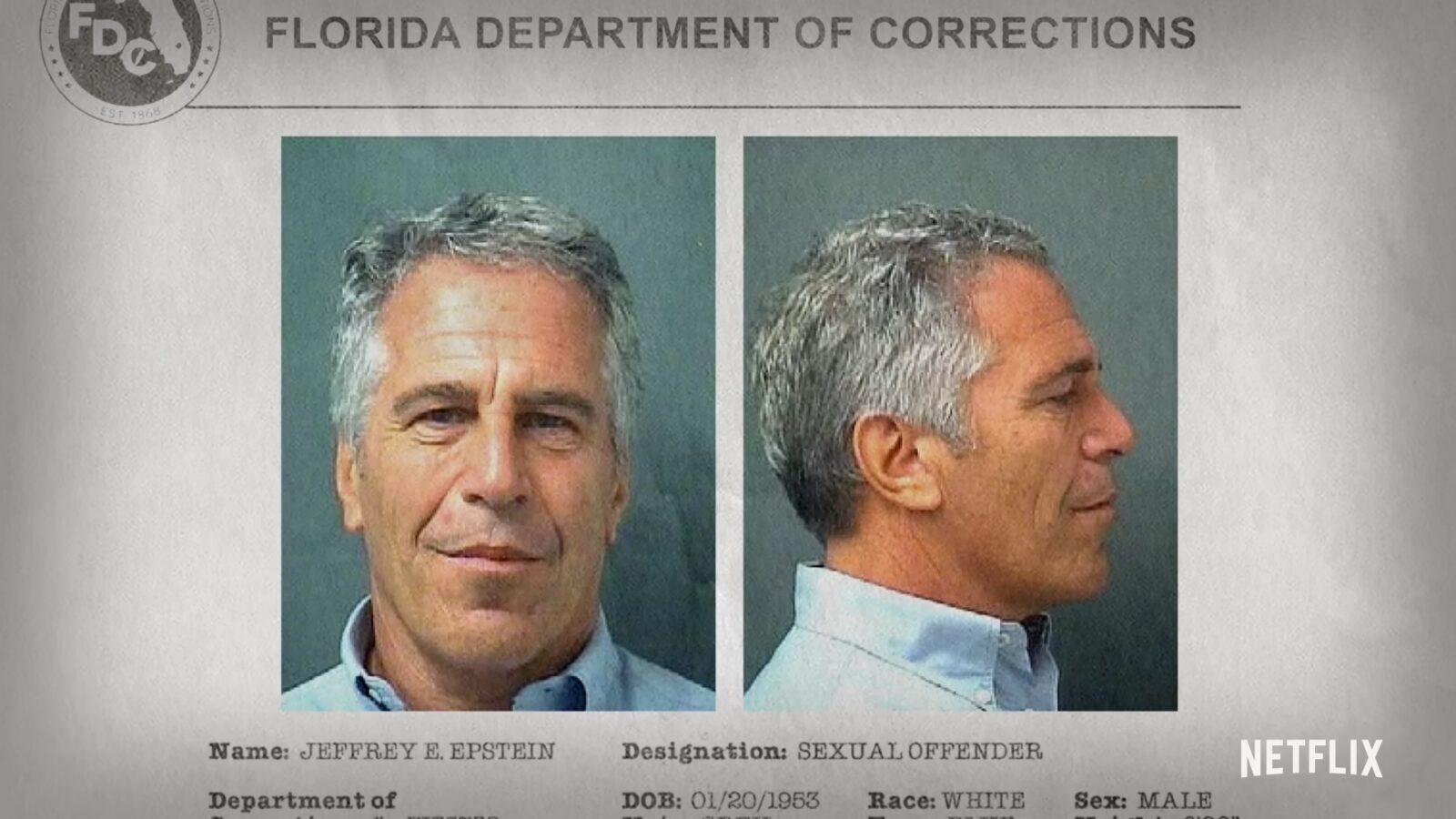
The newly released Epstein files do more than illuminate one predator’s fortune. They expose how the financial system itself can be bent into a private playground for the ultra rich, where secrecy, offshore tricks and pliant institutions turn abuse into a profitable business model. The money trails now coming into view show how Jeffrey Epstein’s wealth was structured to hide risk, mute oversight and keep powerful clients comfortable, even as warning signs piled up.
What is emerging is not just a story of one man, but of an ecosystem that treated his crimes as a compliance problem to be managed rather than a line that could not be crossed. From offshore structures in the Caribbean to internal emails at global banks and stalled investigations in Washington, the Epstein files reveal a set of “twisted money games” that only work when everyone around the money decides not to look too closely.
The offshore architecture that made Epstein rich
To understand how Epstein operated, I have to start with the offshore scaffolding that helped turn him into a financial node for the global elite. By the mid‑2000s, records show that his firm had joined a roster of the world’s wealthiest people and corporations using the services of the offshore provider Appleby, embedding Epstein in the same discreet networks that shield multinational fortunes from scrutiny. Investigators tracing his wealth through the Paradise Papers have documented how his entities were woven into this web of shell companies and trusts, a structure that made it far harder for regulators or victims to follow the money back to its source.
The files indicate that Epstein’s offshore fortune was not an accident of geography but a deliberate choice to operate in jurisdictions that prized secrecy. The leaked records show how his firm, often referred to simply as Epstein, sat alongside blue‑chip clients in Appleby’s books, normalizing his presence in elite financial circles. Additional analysis of the Paradise Papers underscores that by the mid‑2000s his operation had fully joined this club of ultra‑wealthy users of offshore services, a fact that only became widely known after collaborative reporting dug into the leaked files and the role of the firm founded by offshore services provider Appleby.
How secrecy and status shielded a known criminal
What makes the Epstein files so damning is not just the complexity of his structures, but how long they were allowed to operate in plain sight. Even after Epstein’s first criminal case, his offshore entities and banking relationships continued to function, suggesting that for many gatekeepers his status as a moneyed client outweighed the reputational risk. Reporting on the Paradise Papers shows that the files continued to list his firm among high‑net‑worth users of offshore services, even as public records in Florida and New York documented his status as a sex offender.
Those same leaked records reportedly show that by the mid‑2000s Epstein’s firm had already joined the ranks of the world’s wealthiest people and corporations, a detail that later investigations by the Miami Herald and McClatchy would help connect to his broader pattern of influence and protection. The fact that his name appeared in these files alongside global conglomerates underscores how thoroughly he had been accepted into elite financial society, a reality that only came into focus once reporters dug through the files and cross‑referenced them with his criminal history.
Inside JPMC: a bank that kept the money flowing
The most revealing documents in the new cache may be those tied to JPMC, the shorthand used in internal records for JPMorgan Chase. According to a detailed analysis released by Senate investigators, top JPMC executives who reported directly to CEO Jamie Dimon closely supervised the bank’s relationship with Epstein, even as internal systems flagged suspicious activity. The records describe how senior managers approved structures that made it easier to obscure large cash withdrawals and move funds through a network of accounts linked to his associates and shell entities.
Those same records show that the bank’s leadership did not simply overlook Epstein’s activity, but in some cases helped design the mechanisms that kept his transactions flowing. The Senate analysis concludes that JPMC executives enabled his sex trafficking operation by allowing patterns of payments and withdrawals that should have triggered far more aggressive scrutiny, including efforts to obscure suspiciously large cash withdrawals. In effect, the bank’s internal controls were bent around a lucrative client, turning what should have been red flags into routine business.
The billion‑dollar ledger and the late‑breaking alarms
As more court records have been unsealed, the scale of Epstein’s banking activity has come into sharper focus. Attorneys Brian Kabateck and Shant Karnikian, who have reviewed extensive JP Morgan court filings, describe a trove of documents that expose roughly 1 billion dollars in Epstein‑related transactions moving through the bank. The records include hundreds of pages of unredacted files that map out how money flowed between Epstein’s accounts, his companies and individuals tied to his network, painting a picture of a client whose value to the bank was measured in nine figures.
Yet the most striking detail is how late some of the formal alarms were raised. Newly unsealed financial records show that one month after Jeffrey Epstein died in a jail cell while awaiting trial on sex trafficking charges, JPMorgan Chase filed a suspicious activity report to United States regulators that finally acknowledged the full scope of his risk profile. That report, according to the documents, referenced his relationships with two US presidents and other politically exposed persons, a sign that the bank understood the sensitivity of his client roster even as it continued to process his transactions for years. The belated filing underscores how the system often reacts only after public scandal, a pattern laid bare in the unsealed records and echoed in the billion‑dollar ledger described by Attorneys Brian Kabateck.
The IRS, tax planning and a failure to act
The Epstein files are not just a banking story, they are also an indictment of how tax authorities handled a known offender who was selling sophisticated planning to the ultra rich. Senator Ron Wyden, the top Democrat on the Senate Finance Committee, has pressed the Internal Revenue Service on why it failed to investigate what he describes as “highly lucrative tax planning work” that Epstein marketed to wealthy clients. In a pointed letter, Wyden called it “unthinkable” that transactions amounting to tens of millions of dollars were paid to a convicted sex trafficker for the purpose of helping clients avoid taxes, yet did not trigger a serious enforcement response.
Wyden’s inquiry highlights a deeper structural problem: when tax planning is treated as a private consulting service rather than a regulated financial product, it becomes easier for bad actors to sell aggressive schemes under the radar. The senator’s investigation into the IRS’s handling of Epstein’s business asks why such large payments, routed through complex entities and marketed as bespoke strategies, were not flagged for audit or enforcement. His criticism of the agency’s failure to investigate sex traffickers’ highly goes to the heart of how the ultra rich can turn even criminal notoriety into a niche advisory brand, confident that the complexity of their arrangements will deter scrutiny.
Wyden’s push for the Treasury and DOJ to open the books
In response to these gaps, Wyden has turned his attention to the federal agencies that hold the most sensitive Epstein records. A new bill he introduced would force the Treasury Department to turn over its internal Epstein files to congressional investigators, after the department resisted earlier requests from Finance Committee Democratic staff. The legislation is designed to compel disclosure of suspicious activity reports, internal analyses and other documents that could show how banks and regulators handled Epstein’s accounts over time, and whether any enforcement actions were considered and then shelved.
The political fight over those records has been unusually sharp. In 2024, following a formal request for access to Treasury’s Epstein files, the Biden administration declined to provide the documents, prompting Wyden to renew his demands and draft legislation that would remove the department’s discretion. His bill would require Treasury to share the material with the Senate Finance Committee, a step he argues is necessary to understand how the system treated Epstein and his clients. The measure, described in detail in a committee release, is paired with a broader push to force the department to hand over Epstein bank records that have so far remained sealed, a campaign that escalated after Treasury again refused to produce the files and Wyden again demanded the Epstein files.
Survivors, DOJ disclosures and the politics of accountability
Survivors of Epstein’s abuse have become central voices in the push to pry open those financial records. A group of survivors has publicly endorsed Wyden’s bill that would force Treasury to turn over Epstein bank records, arguing that the documents are essential to understanding who enabled his crimes and how money moved through the system. The same statement notes that Senator Wyden’s Epstein investigation began in 2022 with an inquiry into the sex trafficker’s financial relationship with a multi‑billion‑dollar bank, and that his team has pressed for clarity on whether Epstein was ever examined or audited by the IRS.
At the same time, the Department of Justice has begun releasing its own cache of Epstein‑related material. In a recent segment of the program Balance of Power, broadcast live from Washington DC on Bloomberg TV and radio, host Joe Matthew described how DOJ had released a first batch of Epstein files, signaling a gradual shift toward transparency. The segment, aired from Washington DC and introduced by Joe Matthew in Washin, underscored how politically sensitive the disclosures are, given Epstein’s connections to powerful figures and the risk that new details could implicate institutions that long treated him as a valued client. The survivors’ support for Wyden’s effort, detailed in a committee statement, and the DOJ’s incremental disclosures, highlighted in the Balance of Power broadcast, together show how public pressure is reshaping the politics of financial secrecy around the case.
More From The Daily Overview
*This article was researched with the help of AI, with human editors creating the final content.

Grant Mercer covers market dynamics, business trends, and the economic forces driving growth across industries. His analysis connects macro movements with real-world implications for investors, entrepreneurs, and professionals. Through his work at The Daily Overview, Grant helps readers understand how markets function and where opportunities may emerge.

