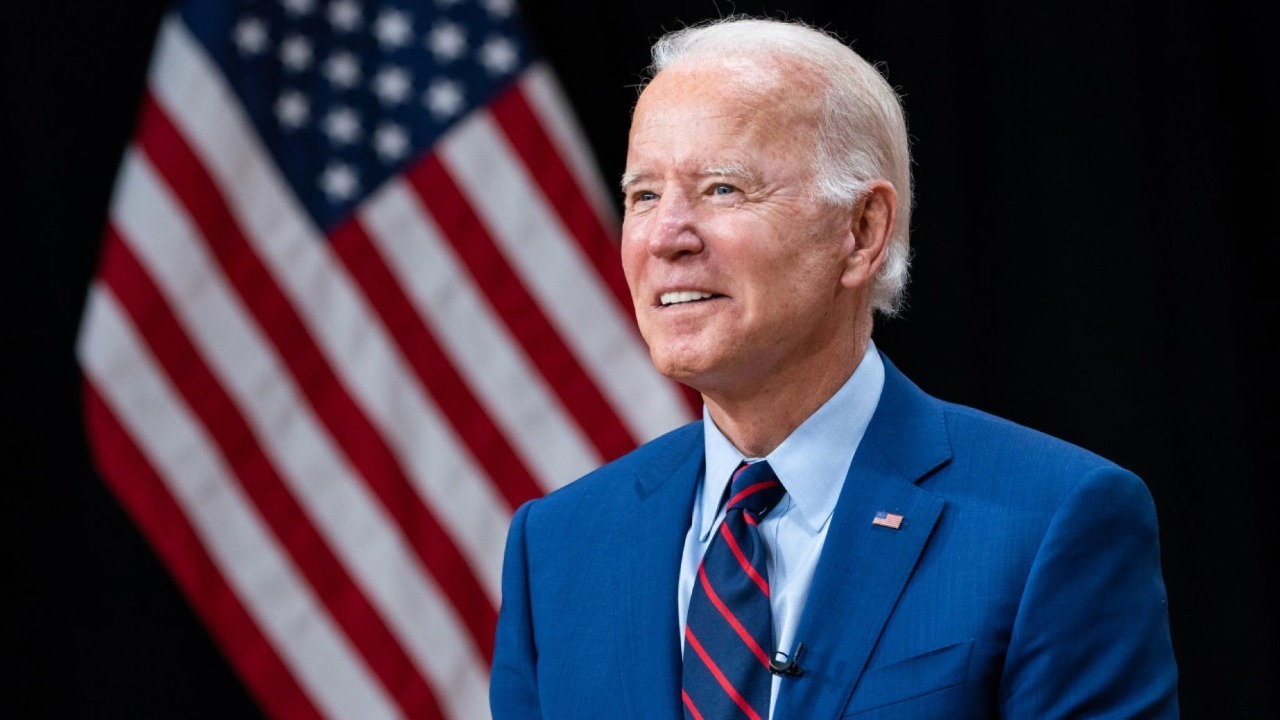
Millions of federal student loan borrowers who saw their payments frozen under President Biden’s new income-driven repayment program are now facing a very different reality. The temporary pause that shielded 7.6 m people in the Saving on a Valuable Education framework has ended, and the bills that disappeared into legal limbo are coming back with due dates attached. I see this moment as a stress test for the entire federal loan system, and for borrowers who must quickly navigate new rules, new plans, and the end of a safety net they were told would last for years.
The restart is not just about one program turning off. It is the product of a legal fight that forced the administration to unwind its signature repayment overhaul and replace it with more traditional options. For borrowers, that means the clock has started again on interest, delinquency, and default, even as the policy landscape keeps shifting under their feet.
How a legal settlement unraveled SAVE’s protections
The Biden administration’s SAVE, short for Saving on a Valuable Education, was designed as a generous income-driven repayment plan that cut monthly bills and accelerated forgiveness for low and middle income borrowers. That design collided with a multistate lawsuit, and after The Eighth Circuit sent the case back to a lower court, the Department of Education agreed to unwind the program through a negotiated settlement with Missouri and other states. In that agreement, the agency acknowledged that the contested structure of SAVE would be replaced with what it described as “legal repayment plans,” a shift that effectively ended the experiment in expansive relief.
The scope of the unwind is enormous. In July, FSA notified more than 7.6 m borrowers that their accounts were in a special forbearance tied to the litigation, and the same settlement that protected them from payments for months is now the reason those protections are expiring. The Department of Education has also confirmed that earlier phases of SAVE already delivered forgiveness for almost 153,000 borrowers, a reminder that some people will keep the benefits they earned even as the broader framework is dismantled. Those details are laid out in the department’s own settlement announcement, which now doubles as a roadmap for the transition away from SAVE.
From automatic pause to accruing interest and real due dates
For borrowers, the most tangible change is the end of what servicers called SAVE Administrative Forbearance. Under that status, payments were not required and negative credit reporting was paused, but the relief was always temporary. On August 1, interest began accruing on the SAVE Administrative Forbearance, which means balances have quietly grown even while statements showed zero due. Servicer guidance explains that SAVE, spelled out as Saving On a Valuable Education, is no longer a stable long term option and directs borrowers to use federal tools like the Loan Simulator to choose a new repayment plan before their first post pause bill arrives. Those operational details are spelled out in servicer notices that frame the end of forbearance as a hard deadline, not a soft suggestion.
The settlement terms also clarify how quickly that deadline bites. Under the agreement described by the Education Department, millions of borrowers in the SAVE forbearance would soon have to resume payments or be moved into new, legal repayment plans. Reporting on the deal notes that, under the terms of the settlement, the Education Department must transition borrowers out of the contested structure and into alternatives that comply with the court’s view of the Higher Education Act. That is why recent coverage of borrower options stresses that the end of SAVE forbearance is not optional or gradual. It is a switch that flips, and anyone who has not proactively chosen a new plan risks being slotted into a less generous default.
What replaces SAVE: new plans, old acronyms, and 2026 changes
With SAVE winding down, the administration is preparing a new generation of income-driven plans that look more conventional on paper but still aim to keep payments tied to income. Federal guidance for colleges explains that new repayment plan options will arrive in 2026, and that some existing choices will be phased out. In particular, the update notes that PAYE and ICR are scheduled to close to new borrowers, with their initial expiration date in 2028, which will narrow the menu of legacy income driven plans over time. Financial aid offices are already flagging those federal loan changes as a reason for current students and recent graduates to pay close attention to which plan they pick now, since some options will not be available later.
At the same time, policy analysts expect a new income driven structure to debut as a replacement for SAVE. One overview of 2026 Brings Key Student Loan Changes, How They Could Impact You describes a New Repayment Plan Expected to Roll Out, referred to as The Repayment Assista in the summary, which would again cap payments as a share of income but within tighter legal boundaries. That same analysis notes that forgiveness eligibility rules will change, which could lengthen the path to cancellation for some borrowers even as it clarifies the rules for others. The broader package of 2026 reforms also includes adjustments to how interest is handled and how long borrowers must pay before qualifying for discharge, all of which will matter more now that the automatic pause has ended.
How advocates and experts say borrowers should respond
As the legal dust settles, borrower advocates are trying to translate dense settlement language into practical steps. One detailed guide framed its KEY TAKEAWAYS around the reality that Millions of borrowers on the Saving on a Valuable Education plan will need to find a new repayment plan soon, and urged people to start that process before their servicer does it for them. The same guide walks through how to compare income driven options, when to consider a standard ten year plan, and why some borrowers might want to consolidate to reset their timeline. I find its emphasis on acting early persuasive, because the repayment advice is grounded in the specific quirks of the post SAVE landscape rather than generic budgeting tips.
Legal aid groups are also warning that the transition could be especially confusing for borrowers who never fully understood SAVE in the first place. In a segment labeled Nation Feb, advocates explained that many people in the paused program had not made a payment in years and may not realize that their servicer or plan name has changed. One legal director at Protect Borrowers described the risk that people will ignore new bills because they assume the pause is still in effect, only to discover months later that they are delinquent. That concern is echoed in broader coverage of major changes to borrowing and repayment, which urges borrowers to open every email from their servicer and log into their federal account to confirm their status.
The broader student loan reset under President Biden
The end of SAVE’s protections is part of a larger reset of federal student lending under President Biden. Earlier policy changes reshaped how families borrow for college, including adjustments to Parent PLUS loans and new limits on how much some graduate students can take out, as detailed in coverage of major changes to student loan borrowing. At the same time, the Department of Education has been overhauling servicer contracts and simplifying the Free Application for Federal Student Aid, moves that are meant to reduce bureaucratic friction even as repayment rules grow more complex. I see the SAVE saga as a case study in how ambitious relief efforts can collide with legal constraints, leaving borrowers caught between policy goals and court rulings.
More From The Daily Overview
*This article was researched with the help of AI, with human editors creating the final content.

Silas Redman writes about the structure of modern banking, financial regulations, and the rules that govern money movement. His work examines how institutions, policies, and compliance frameworks affect individuals and businesses alike. At The Daily Overview, Silas aims to help readers better understand the systems operating behind everyday financial decisions.

