
The Powerball lottery has once again captured the nation’s imagination with its staggering $1.7 billion jackpot. While the sheer size of the prize dominates headlines, the subtle yet significant role played by the Federal Reserve in shaping this colossal sum often goes unnoticed. Delve into the intricate relationship between monetary policy and lottery winnings to discover the unseen forces at play.
The Mechanics of the Jackpot

Powerball jackpots grow based on a straightforward premise: ticket sales. Each ticket sold contributes to the prize pool, and as more people buy tickets in hopes of striking it rich, the jackpot swells. This basic mechanism is straightforward, but the underlying financial principles are anything but simple. The jackpot’s final value is greatly influenced by the options available for winners, primarily the choice between a lump sum or an annuity.
Interest rates, set by the Federal Reserve, play a crucial role in determining the lump sum and annuity amounts. When interest rates are low, the present value of the annuity is higher, making the lump sum option less attractive. Conversely, when rates are high, the lump sum becomes more appealing. Additionally, inflation, which is significantly influenced by Federal Reserve policies, affects the real value of lottery winnings over time. A jackpot that seems enormous today might not have the same purchasing power several years down the line due to inflationary pressures.
Monetary Policy and Its Impact
The Federal Reserve’s interest rate decisions have a direct impact on the attractiveness of the annuity versus the lump sum payout. When the Fed lowers rates, the annuity option becomes more favorable, as the future payments are worth more in today’s dollars. This dynamic can sway a winner’s decision, altering the perceived value of their prize. For instance, during periods of low interest, a winner might lean towards the annuity, hoping to capitalize on the higher cumulative payout.
Economic conditions, shaped by the Federal Reserve’s actions, also influence consumer spending on lottery tickets. When the economy is robust, and consumers feel confident, they are more likely to spend discretionary income on lottery tickets. Conversely, during economic downturns, ticket sales may dwindle as individuals prioritize essential expenses. This ebb and flow of consumer confidence, often tied to Federal Reserve policies, can significantly impact the size and frequency of large jackpots.
The psychological effect of economic stability cannot be understated. When people perceive the economy as stable, they are more inclined to participate in lotteries, viewing it as a low-risk, high-reward opportunity. This perception is heavily influenced by the Federal Reserve’s ability to maintain economic stability through its monetary policies. For instance, during periods of low unemployment and steady growth, lottery participation tends to increase, reflecting the public’s optimism about their financial prospects.
Taxation and the Jackpot
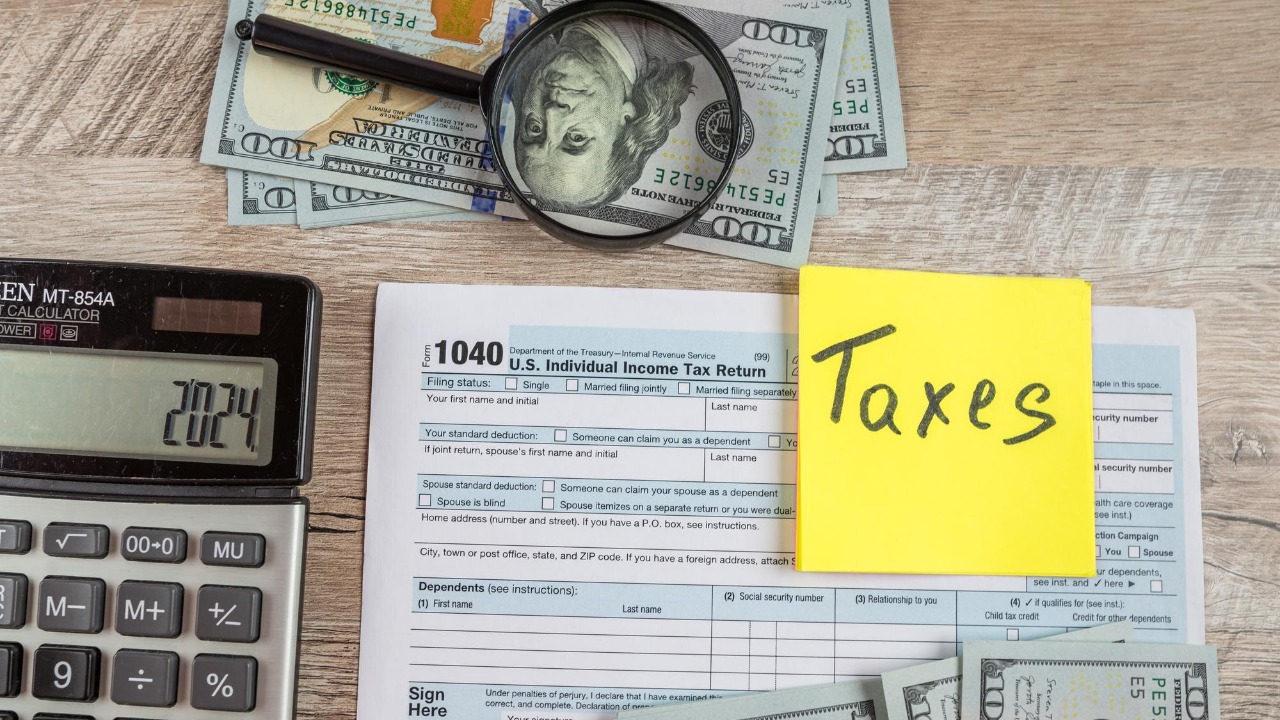
Federal tax implications are another critical consideration for lottery winners. The federal tax rate, indirectly affected by Federal Reserve policy, impacts the take-home amount of the jackpot. Changes in economic conditions can lead to adjustments in tax policy, which in turn affects the net winnings. For example, a winner might find themselves in a higher tax bracket due to their sudden windfall, substantially reducing their take-home pay.
State taxes add another layer of complexity. State tax rates can vary significantly, and local economic conditions play a role in shaping these rates. For instance, a winner in New York might face a different tax burden compared to someone in Texas, where there is no state income tax. This variability can have a profound impact on the final amount a winner receives, underscoring the importance of understanding both federal and state tax obligations.
The effect of tax policy changes, often influenced by broader economic conditions, can also impact future lottery winners. As economic landscapes evolve, tax policies may be adjusted to address fiscal needs or stimulate growth. These changes can alter the net value of lottery winnings, making it essential for potential winners to stay informed about the latest tax developments.
The Broader Economic Picture

The role of the Federal Reserve in the economy extends far beyond interest rates and inflation. As the central bank of the United States, it is responsible for maintaining economic stability and fostering growth. This overarching mission influences a wide range of economic activities, including consumer spending patterns and confidence levels. The Powerball lottery, in many ways, serves as a microcosm of the broader economy, reflecting trends and behaviors influenced by Federal Reserve policies.
There is a clear correlation between economic confidence and lottery spending. When consumers feel optimistic about their financial futures, they are more likely to engage in discretionary spending, including purchasing lottery tickets. This behavior is often a reflection of broader economic trends, which are, in turn, shaped by the Federal Reserve’s actions. During periods of economic uncertainty, such as the 2008 financial crisis, lottery sales may decline as consumers become more cautious with their spending.
The Powerball lottery also highlights consumer behavior trends, serving as an economic litmus test. Changes in ticket sales can provide insights into consumer confidence and economic health, offering a glimpse into how Federal Reserve policies are influencing everyday financial decisions. As the economy evolves, so too does the public’s approach to lotteries, with spending patterns reflecting broader economic sentiments.
The Future of Lottery Winnings in an Evolving Economy
Looking ahead, future Federal Reserve policies could significantly influence the size and frequency of large jackpots. As the economy continues to evolve, interest rates and inflationary pressures will play a crucial role in shaping the financial landscape for lottery organizers and participants alike. Speculating on how these factors might impact future jackpots requires a keen understanding of monetary policy and its ripple effects throughout the economy.
Adapting to changing economic conditions is essential for lottery organizers. Strategies to maintain and increase participation rates might include adjusting ticket prices, altering prize structures, or introducing new games. Staying attuned to economic trends can help organizers remain competitive and appealing to potential participants, ensuring the continued allure of large jackpots.
The importance of financial education for lottery winners cannot be overstated. Navigating the complexities of taxes, investments, and economic fluctuations requires a solid understanding of personal finance. Providing winners with resources and guidance can help them make informed decisions, ensuring they can maximize their windfall and secure their financial futures. As economic conditions continue to evolve, financial literacy will remain a critical tool for lottery winners, enabling them to navigate an increasingly complex financial landscape.

Grant Mercer covers market dynamics, business trends, and the economic forces driving growth across industries. His analysis connects macro movements with real-world implications for investors, entrepreneurs, and professionals. Through his work at The Daily Overview, Grant helps readers understand how markets function and where opportunities may emerge.

