
With grocery prices on the rise, many consumers are seeking strategies to trim their shopping bills without sacrificing quality. One effective approach is to eliminate certain items from your grocery list that provide little value relative to their cost. Understanding which products to cut can lead to significant savings without compromising your shopping experience.
Understanding Grocery Markups

Grocery markups can significantly inflate the cost of items on your shopping list. A markup is essentially the difference between the cost price of a product and its selling price. Retailers apply these markups to cover operating expenses and to make a profit. Common items with the highest markups include pre-cut fruits and vegetables, gourmet cheeses, and ready-to-eat meals. These items often carry a premium for convenience or brand name, which can add up substantially on your bill.
The impact of these markups on your overall grocery bill cannot be overstated. According to a study, some grocery items can have markups as high as 60% or more. For example, pre-packaged salads and branded cereals are often marked up significantly compared to their bulk or generic counterparts. Understanding these price differences can help you make more informed shopping decisions, ultimately leading to a more economical grocery experience.
The Hidden Costs of Processed Foods
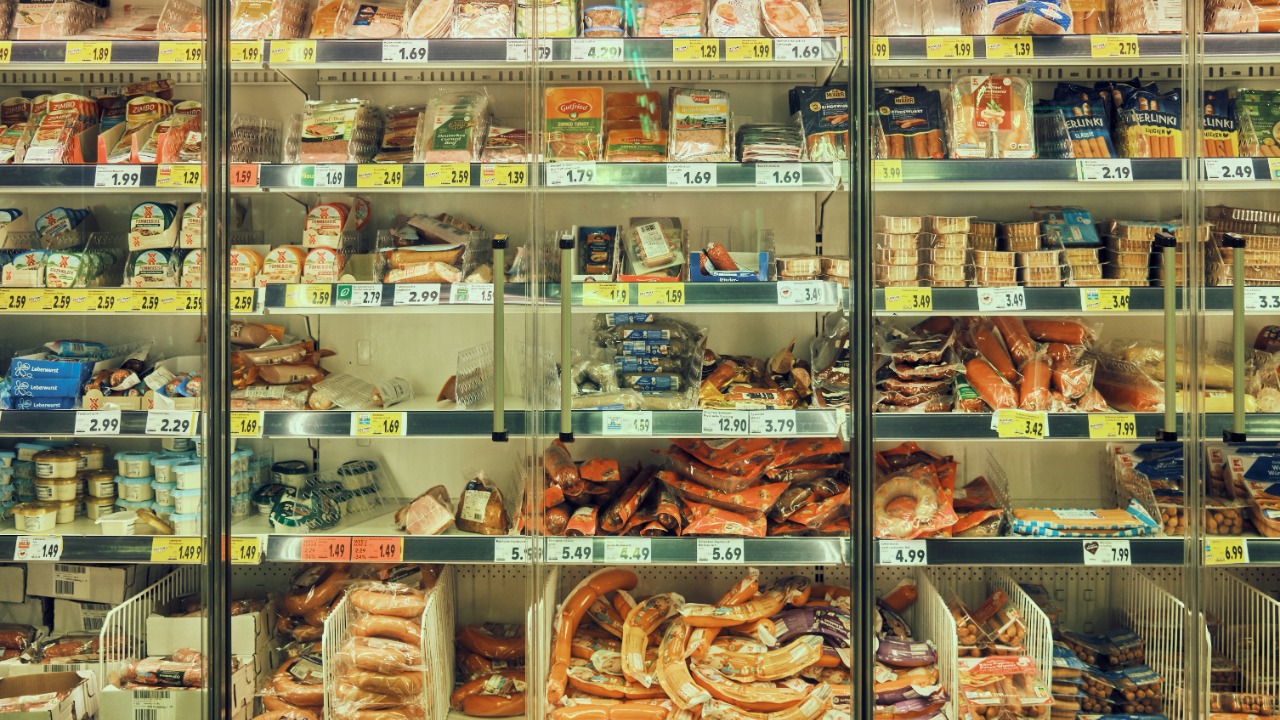
Processed foods come with a variety of hidden costs that extend beyond their price tags. Nutritionally, these foods are often high in preservatives, sugars, and unhealthy fats, contributing to various health issues such as obesity and heart disease. The cost of managing these health problems can add up over time, making processed foods less economical in the long run.
Processing also adds to the cost of these foods. The energy and labor required to transform raw ingredients into packaged goods contribute to their higher prices. Moreover, the long-term health implications of a diet high in processed foods can lead to increased medical expenses and reduced productivity. For those looking to cut costs, reducing reliance on these products is a sensible option.
Examining the Role of Tariffs
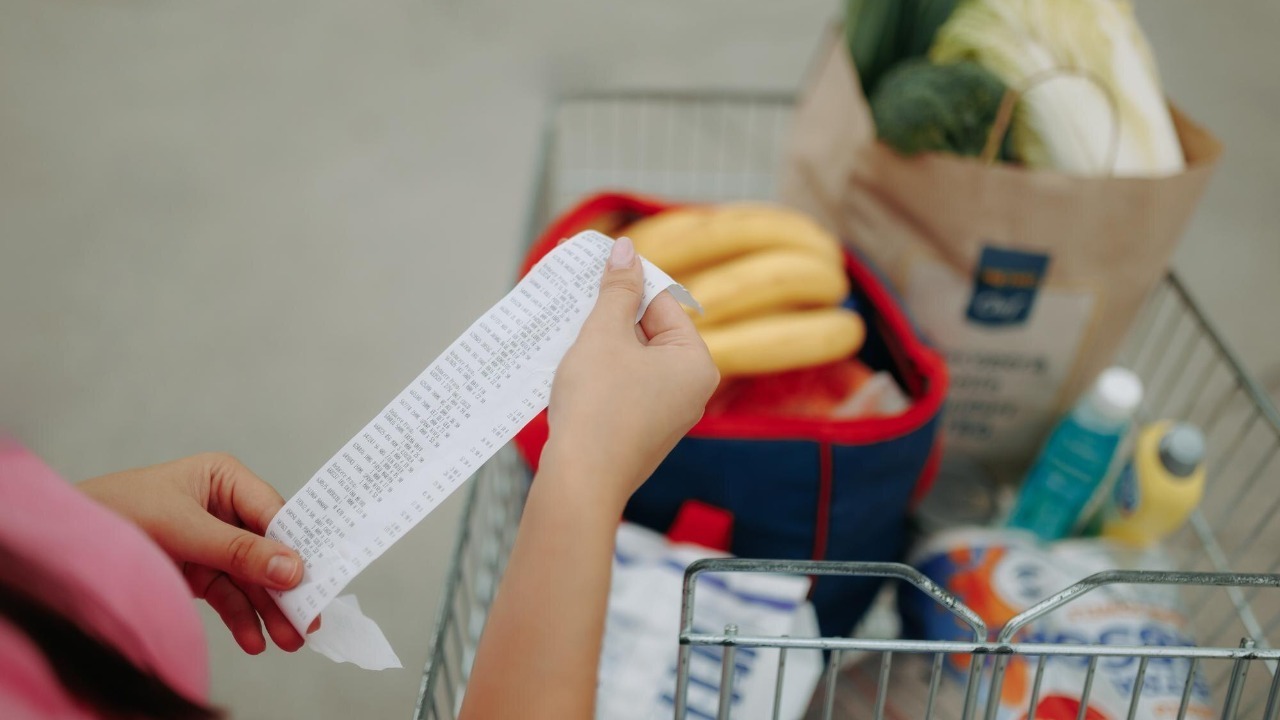
Tariffs play a significant role in driving up grocery prices. These taxes on imported goods can increase the cost of items such as cheese, wine, and fresh produce, which are often sourced internationally. For instance, the impact of tariffs introduced during trade disputes has been felt widely, with consumers paying more for everyday grocery items.
To avoid tariff-inflated products, consumers can look for locally produced alternatives. Shopping at farmers’ markets or selecting seasonal produce can help mitigate the impact of tariffs. Additionally, being flexible with brands and trying different products can also help you avoid the premium prices associated with imported goods.
The Economics of Brand vs. Generic

When comparing brand-name products to their generic counterparts, the price difference can be striking. Generic products are often significantly cheaper than their branded versions, allowing for substantial savings on your grocery bill. But does cheaper mean lesser quality?
In many cases, generic products offer comparable quality to brand-name items. Studies have shown that products like pain relievers, cereals, and canned goods often have little to no difference in taste or efficacy. Therefore, opting for generics over branded items is a smart choice when trying to maximize your budget. Knowing when to choose a generic product can help you cut costs without sacrificing quality or satisfaction.
Evaluating Snack Foods and Beverages

Pre-packaged snacks and sugary drinks are major contributors to an inflated grocery bill. These items often come with hefty price tags due to convenience and branding. For instance, individually packaged snack packs or flavored water can cost significantly more than buying in bulk or opting for homemade alternatives.
Healthier and cheaper options include buying nuts, seeds, and dried fruits in bulk and creating your own snack mixes. Similarly, replacing sugary drinks with homemade iced teas or infused water can lead to both financial and health benefits. Not only do these alternatives offer nutritional advantages, but they also help reduce your grocery expenses.
Reconsidering Meat and Dairy

The environmental and economic impact of meat consumption is becoming increasingly recognized. Meat production requires significant resources, contributing to higher costs for consumers. Moreover, the environmental toll of meat production is prompting many to explore plant-based alternatives, which are often more cost-effective.
Similarly, the cost of dairy products can add up quickly, especially when purchasing organic or specialty items. Exploring dairy substitutes such as almond, oat, or soy milk can provide savings while offering similar nutritional benefits. These plant-based alternatives not only reduce grocery costs but also align with a more sustainable and health-conscious lifestyle.
The Convenience Trap: Ready-to-Eat Meals

Ready-to-eat meals offer unparalleled convenience but often come with a significant price premium. These pre-prepared meals are enticing for those short on time, but they can substantially inflate your grocery bill. In addition to their higher cost, many ready-to-eat meals are laden with preservatives and sodium, posing nutritional challenges.
Preparing meals at home is a straightforward way to avoid the convenience trap. With a little planning, you can create delicious, nutritious meals at a fraction of the cost. Batch cooking and meal prepping can save time during busy weeks, further enhancing the cost-effectiveness of homemade meals.
Analyzing Household Necessities

When it comes to household necessities, buying in bulk can often lead to significant savings. Items like toilet paper, cleaning supplies, and non-perishable foods are typically more cost-effective when purchased in larger quantities. However, this strategy requires careful consideration of storage space and the potential for waste.
Distinguishing between essential and non-essential items is crucial to reducing household spending. For example, do you really need scented cleaning products or the latest luxury toiletries? Opting for basic, functional products can lead to significant savings over time. Additionally, exploring DIY cleaning solutions, like vinegar and baking soda, can further reduce costs while being environmentally friendly.
The Role of Technology in Smarter Shopping
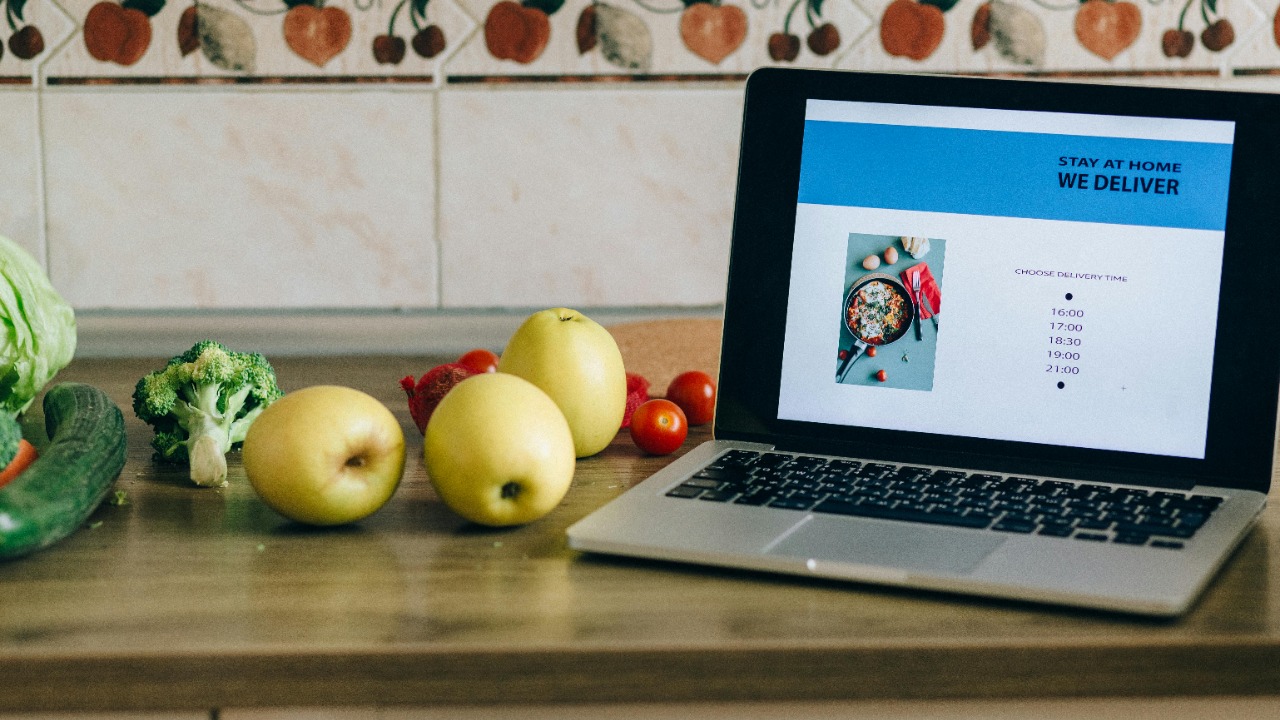
Technology offers numerous tools to help you become a smarter shopper. Various apps are available that track spending, compare prices, and provide digital coupons, offering additional savings opportunities. For instance, using budgeting apps can help you monitor your spending habits and identify areas for improvement.
Online grocery shopping is another technological advancement that can facilitate smarter shopping. Many platforms allow for easy price comparisons and provide access to customer reviews, helping you make informed purchasing decisions. By leveraging these digital tools, you can optimize your grocery shopping experience and ensure that you are getting the best value for your money.
Cultivating a Sustainable Shopping Mindset
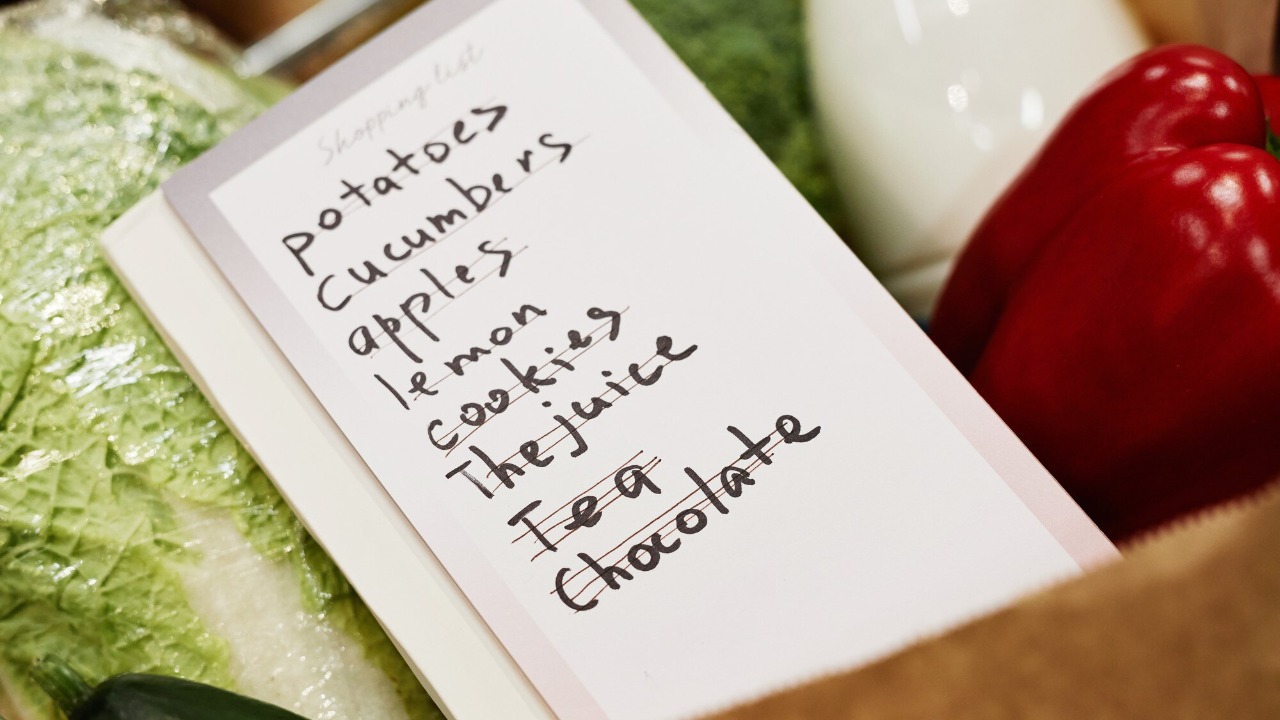
Developing a sustainable shopping mindset is key to maintaining a cost-effective grocery list. Meal planning and preparation are fundamental components of this approach, reducing the likelihood of impulse purchases and food waste. By planning your meals ahead of time, you can create a focused shopping list that minimizes unnecessary spending.
Encouraging a culture of mindful consumption in your household can also contribute to long-term savings. This involves being conscious of the products you purchase and their impact on your budget and the environment. By fostering a household mentality focused on sustainability and cost-effectiveness, you can achieve a more balanced and economical approach to grocery shopping.

Cole Whitaker focuses on the fundamentals of money management, helping readers make smarter decisions around income, spending, saving, and long-term financial stability. His writing emphasizes clarity, discipline, and practical systems that work in real life. At The Daily Overview, Cole breaks down personal finance topics into straightforward guidance readers can apply immediately.
