As major metropolitan areas become increasingly unaffordable, a boom is quietly unfolding in small cities across the country. This unexpected trend is driven by a mix of technological advances, changing lifestyle preferences, and economic shifts, creating new opportunities and challenges for these once-overlooked urban locales.
The Rise of Remote Work and Its Impact on Small Cities

The proliferation of remote work, accelerated by advancements in technology, particularly AI, has significantly altered the landscape of small cities. Professionals seeking a better quality of life are drawn to these areas, thanks to the flexibility that remote work offers. This shift has been facilitated by tools such as Zoom, Slack, and Microsoft Teams, which have made it easier to maintain productivity and communication without being physically present in a traditional office setting. The availability of high-speed internet and reliable digital infrastructure further supports this migration.
The economic implications of this trend are profound. While the influx of remote workers can lead to economic revitalization, it can also strain local infrastructure and housing markets. Small cities like Boise, Idaho, and Asheville, North Carolina, have seen significant population increases, resulting in increased demand for housing and services. This demand can drive up property values and rental prices, potentially displacing long-term residents. However, many small cities are proactively adapting to these changes by investing in digital infrastructure and enhancing community amenities to attract and retain remote workers.
Affordable Living and Lifestyle Shifts

One of the primary drivers of migration to small cities is the significant cost-of-living disparities between large metropolitan areas and smaller locales. Cities like San Francisco and New York have become notorious for their exorbitant housing costs, prompting many to seek more affordable alternatives. In contrast, small cities often offer lower housing prices, reduced living expenses, and a more manageable pace of life.
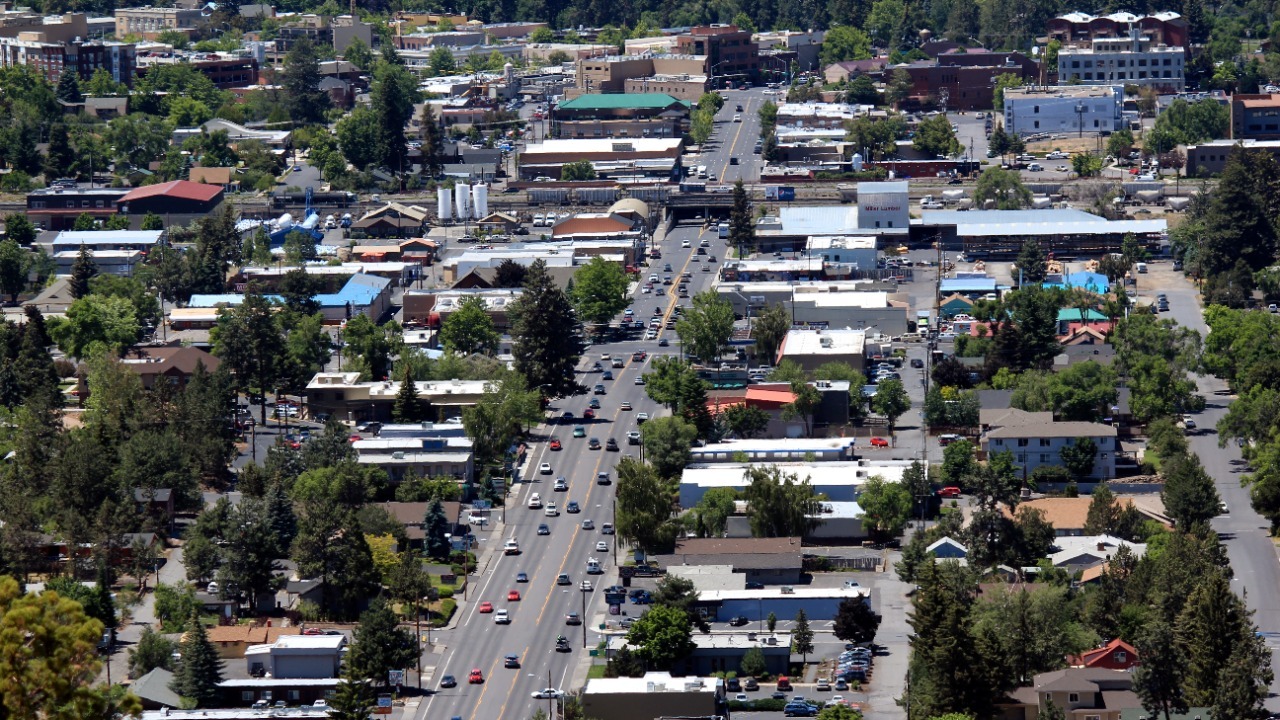
Beyond financial considerations, lifestyle changes also play a crucial role in this migration. Many individuals and families are drawn to the promise of more space, lower crime rates, and a stronger sense of community that small cities often provide. This shift in preference is reflected in the rising popularity of towns such as Bend, Oregon, and Fort Collins, Colorado, where residents enjoy a higher quality of life without sacrificing access to cultural and recreational opportunities. The impact on local property values and rental markets is significant, with increased demand leading to rising prices, yet still remaining more affordable than their larger counterparts.
Economic Opportunities and Challenges

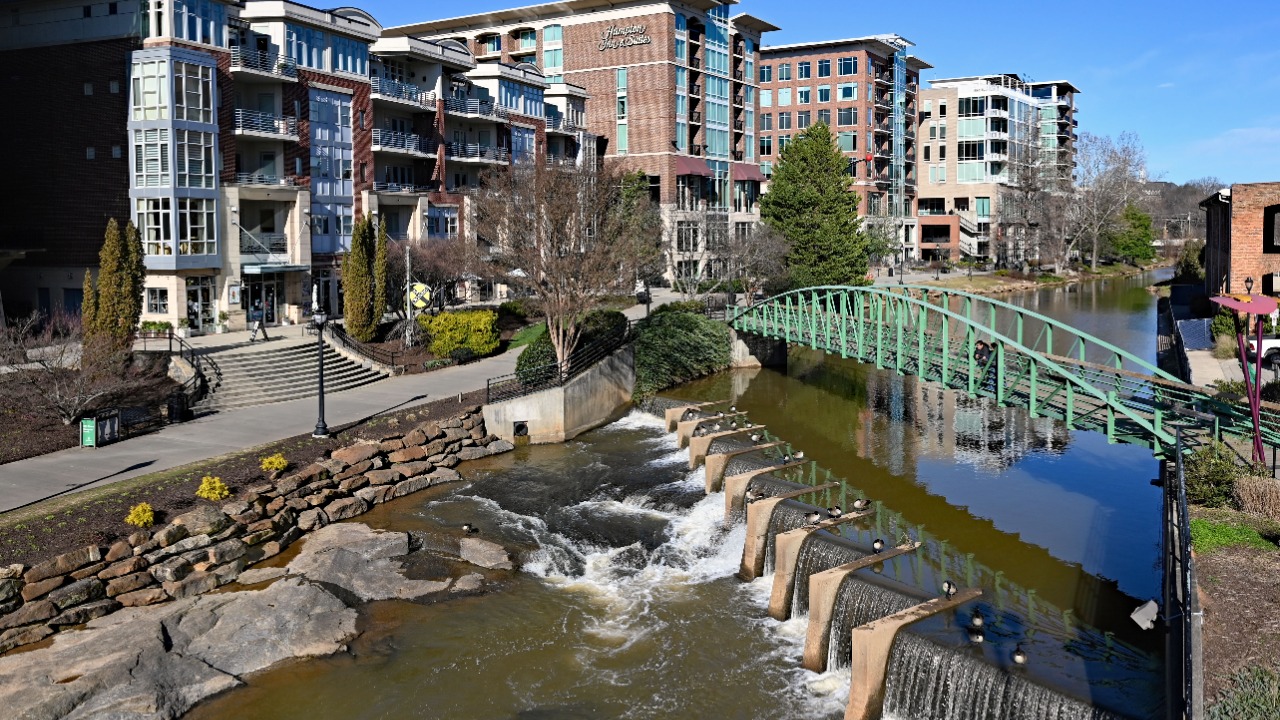
The influx of new residents in small cities is revitalizing local economies, creating increased demand for services, retail, and dining options. New businesses are emerging to cater to this growing population, from trendy cafes to boutique shops. Cities like Greenville, South Carolina, have seen their downtown areas transformed by new economic activity, attracting not only residents but also tourists and entrepreneurs.
However, this growth comes with challenges. Rising costs of living and the risk of gentrification can threaten the affordability that initially attracted newcomers. Long-term residents may find themselves priced out of their neighborhoods, leading to social tensions. To address these issues, many small cities are implementing policy responses and urban planning strategies aimed at managing growth sustainably and inclusively. Initiatives like affordable housing projects and community engagement programs are being introduced to ensure that all residents benefit from the economic upswing.
Cultural and Social Implications
The cultural transformations occurring in small cities as diverse populations settle are profound. Newcomers bring fresh ideas and influences, enriching the cultural tapestry of these areas. This diversity is evident in the range of cultural events, art galleries, and music festivals that have sprung up in small cities, providing residents with a vibrant social scene.
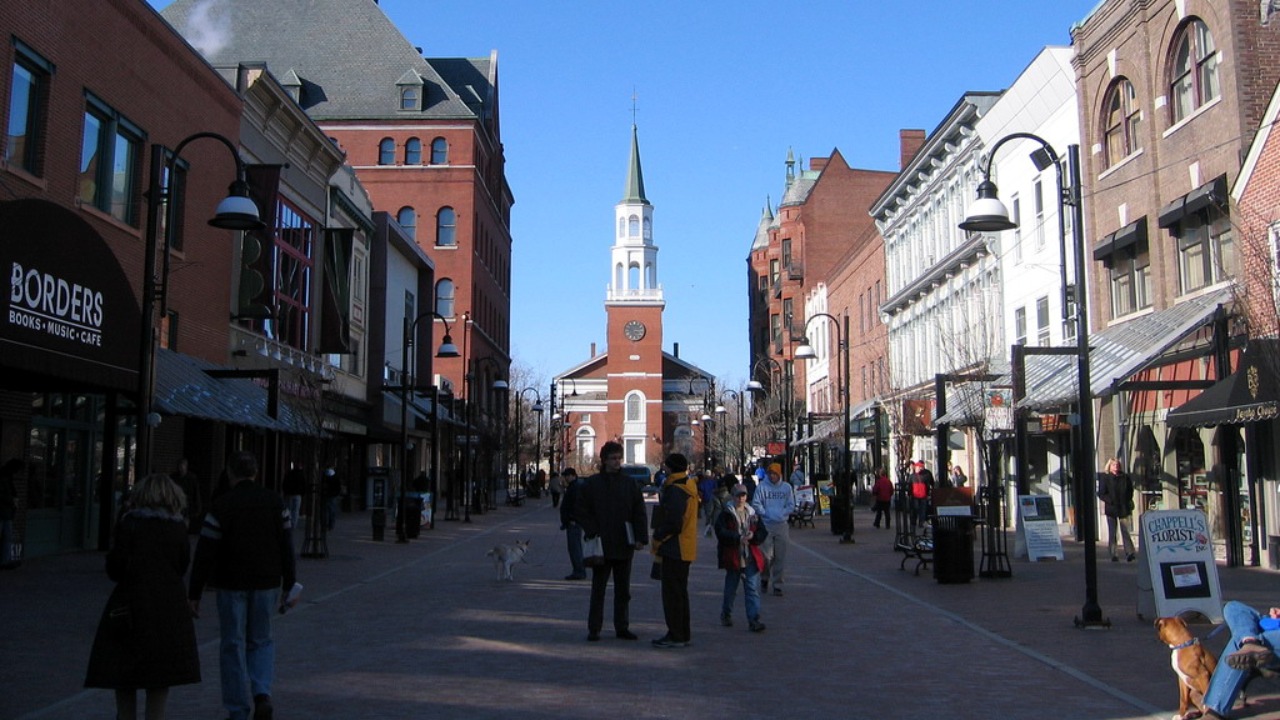
Maintaining unique identities while embracing change and diversity is a delicate balance for small cities. Communities like Burlington, Vermont, have successfully integrated new cultural influences while preserving their local heritage. The social dynamics between new arrivals and long-established communities can be complex, but they also offer opportunities for greater community cohesion. Programs that foster dialogue and collaboration between different groups are crucial in creating inclusive environments where all residents feel valued and welcome.
Future Outlook for Small Cities
Looking ahead, the future of small cities appears promising as ongoing technological advancements and shifting economic landscapes continue to shape them. The role of government policies and urban planning will be pivotal in determining how these cities adapt to growth. By learning from past experiences and implementing sustainable development strategies, small cities can position themselves as attractive alternatives to larger metropolitan areas.
There are valuable lessons that larger cities can draw from the small-city boom. Prioritizing sustainable growth and community development can help larger cities address challenges such as congestion, pollution, and housing affordability. By fostering environments that support diverse populations and economic resilience, cities of all sizes can thrive in the face of change.

Grant Mercer covers market dynamics, business trends, and the economic forces driving growth across industries. His analysis connects macro movements with real-world implications for investors, entrepreneurs, and professionals. Through his work at The Daily Overview, Grant helps readers understand how markets function and where opportunities may emerge.

