
In today’s rapidly evolving work environment, mastering the art of remote work has become crucial. From managing time effectively to setting boundaries, successful remote workers have developed specific habits that help them thrive. Here, I explore the seven essential habits of top-tier remote workers to help you excel in a virtual workspace.
1. Effective Time Management

Effective time management is the cornerstone of successful remote work. I prioritize tasks by using digital tools like Trello or Asana, which help me organize and keep track of my daily to-do list. By setting clear deadlines and scheduling regular breaks, I ensure that I stay productive without burning out.
Another strategy that works well is the Pomodoro Technique, where I work in focused sprints of 25 minutes followed by a short break. This method not only helps maintain concentration but also boosts productivity. By allocating specific time slots for meetings and deep work, I can better manage my time and workload.
2. Clear Communication Skills

In a remote setting, clear communication is paramount. I make it a point to use tools such as Slack and Zoom to maintain regular contact with my team. Clear written communication is equally important, so I always strive to be concise and articulate in emails and messages.
To avoid misunderstandings, I summarize key points and action items at the end of meetings. I also encourage feedback to ensure everyone is on the same page. This approach not only fosters collaboration but also strengthens team dynamics despite the physical distance.
3. Self-Motivation and Discipline
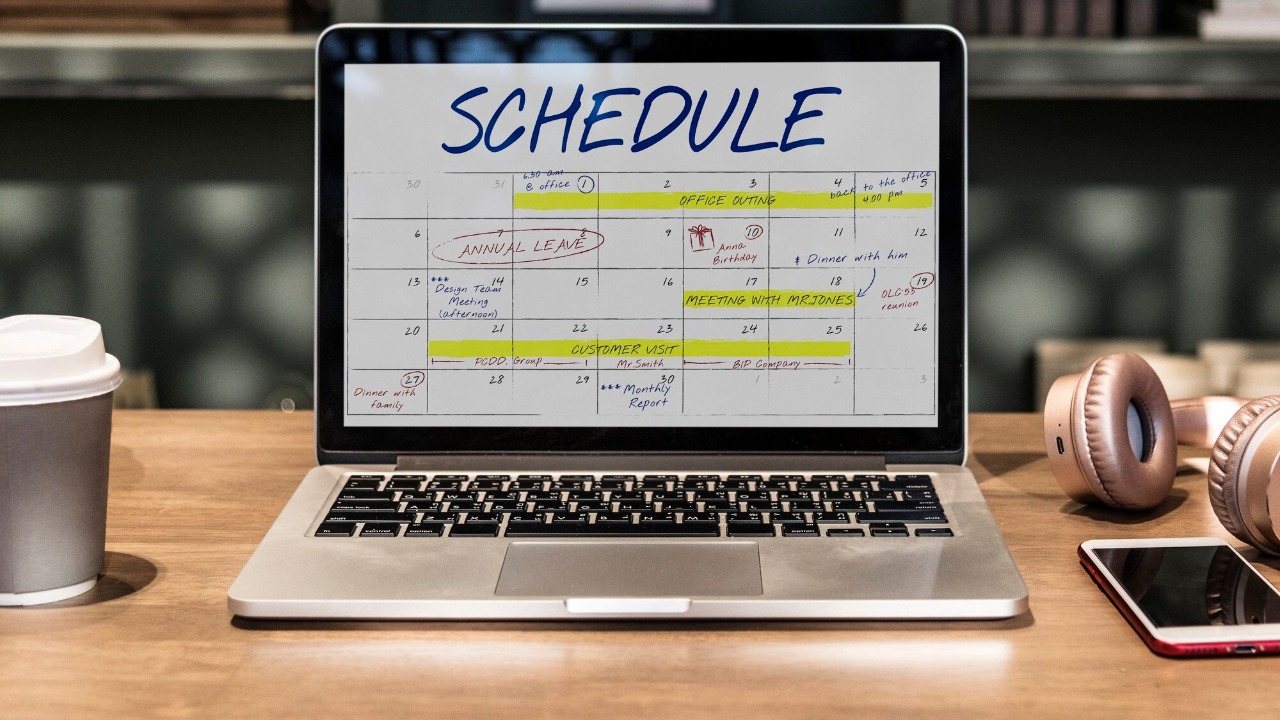
Working remotely requires a high level of self-motivation and discipline. I create a daily schedule and stick to it to maintain consistency. Setting personal goals and rewarding myself for achieving them helps me stay motivated.
By minimizing distractions, such as social media or unnecessary notifications, I can remain focused on my work. Additionally, I remind myself of the bigger picture and how my tasks contribute to the team’s overall success, which keeps me driven and committed.
4. Mastery of Digital Tools

Being proficient in digital tools is non-negotiable for remote workers. I familiarize myself with various applications like Microsoft Teams, Google Workspace, and Slack to streamline communication and collaboration. Additionally, I ensure my internet connection is stable by investing in the best Wi-Fi routers available.
Continuous learning is part of my routine, so I stay updated with the latest tools and software relevant to my field. This not only improves my efficiency but also enhances my skill set, making me a more valuable team member.
5. Creating a Dedicated Workspace

Having a dedicated workspace is vital for maintaining focus and productivity. I’ve set up a comfortable and ergonomic workstation with essentials like a high-quality office chair and proper lighting to create an environment conducive to work.
By clearly defining my work area, I can mentally separate work from home life. This not only helps reduce stress but also signals to others in my household that I’m in work mode, minimizing interruptions.
6. Setting Boundaries

Setting boundaries is essential to maintaining a healthy work-life balance. I establish clear work hours and communicate them to my colleagues and family. This helps me disconnect from work at the end of the day and enjoy personal time without guilt.
It’s crucial to respect these boundaries and avoid overworking, which can lead to burnout. By setting realistic expectations and learning to say no when necessary, I protect my time and energy, ensuring sustained productivity over the long term.
7. Continuous Learning and Adaptability

The ability to continuously learn and adapt is a key habit of successful remote workers. I regularly engage in professional development by attending webinars, taking online courses, and reading relevant literature, such as “7 Habits of Highly Effective Remote Workers”.
Adaptability is equally important, as remote work environments can be unpredictable. I stay flexible by embracing change and viewing challenges as opportunities for growth. This mindset not only enhances my resilience but also keeps me ahead in a competitive job market.

Cole Whitaker focuses on the fundamentals of money management, helping readers make smarter decisions around income, spending, saving, and long-term financial stability. His writing emphasizes clarity, discipline, and practical systems that work in real life. At The Daily Overview, Cole breaks down personal finance topics into straightforward guidance readers can apply immediately.