
Finding a path to financial freedom often means thinking outside the box. While traditional advice usually revolves around cutting expenses and boosting savings, several less-discussed strategies can help you achieve a debt-free lifestyle. Here are nine innovative approaches that can make a significant impact.
1. Skill-Based Bartering

Skill-based bartering is an age-old practice where individuals exchange services without any money changing hands. For example, you might offer web design services in exchange for plumbing work. Websites like Wandering Aimfully offer forums where people can connect to barter their skills. This method can significantly reduce expenses while still acquiring essential services.
Skill-based bartering not only saves money but also encourages community building. By participating in these exchanges, you get the chance to meet new people and expand your network, which can be beneficial for personal and professional growth.
2. Cooperative Housing Arrangements

Cooperative housing arrangements involve shared housing where residents collectively own the property and share responsibilities. This setup can drastically cut down living expenses. Co-ops often include shared utilities, groceries, and other communal resources, which further reduce costs.
In cities like New York and San Francisco, where housing prices are high, co-ops offer a viable alternative. Participants not only save money but also enjoy a sense of community and shared responsibility.
3. Voluntary Simplicity Movement
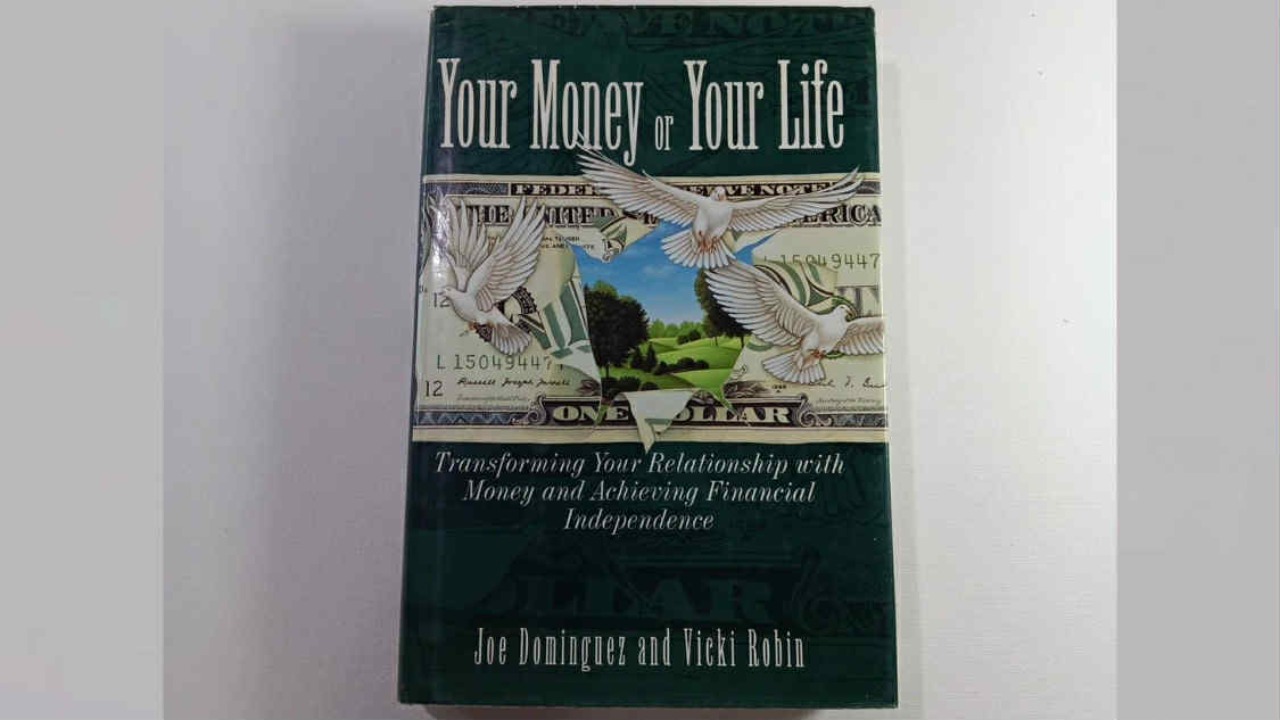
The voluntary simplicity movement encourages people to focus on reducing their consumption and living more intentionally. This lifestyle change can lead to significant financial savings, as it shifts the focus from acquiring goods to enjoying experiences and relationships.
Books like “Your Money or Your Life” offer insights into how to adopt this lifestyle. By simplifying your life, you can free up resources to pay off debt and achieve financial independence.
4. Digital Nomad Lifestyle

The digital nomad lifestyle allows individuals to work remotely from anywhere in the world, often in countries with a lower cost of living. By minimizing living expenses while maintaining their income, digital nomads can pay off debts faster.
Platforms like Nomad List help digital nomads find affordable locations to live and work. This lifestyle offers the added benefit of traveling and experiencing new cultures, making it an attractive option for those who crave adventure while working toward financial freedom.
5. Crowdsourced Problem Solving

Crowdsourced problem-solving involves tapping into the collective intelligence of a group to find innovative solutions to financial challenges. Platforms like Kickstarter and GoFundMe have helped individuals raise funds for various projects, easing financial burdens.
Engaging in crowdsourced problem-solving can provide financial relief and foster creativity and collaboration. It’s a modern way to tackle financial issues by leveraging the power of community.
6. Local Time Banking Networks

Time banking networks offer a unique way to exchange services without involving money. Participants earn credits by providing services, which they can then use to receive services from others. This system can effectively reduce expenses on essential services.
In cities like Ithaca, New York, time banking is thriving, allowing residents to exchange everything from childcare to home repair services. It promotes community engagement and offers a debt-free way to access necessary services.
7. Educational Sponsorship Programs

Educational sponsorship programs can alleviate the financial burden of tuition fees. Some companies offer to pay for employees’ education in exchange for a commitment to work with them for a certain period.
According to The New York Times, these programs can significantly reduce student debt and offer career advancement opportunities. They provide a win-win situation by helping individuals further their education without incurring additional debt.
8. Sustainable Living Practices

Adopting sustainable living practices can lead to substantial savings and a healthier lifestyle. Practices such as growing your own food, composting, and using renewable energy sources can reduce living costs.
According to BBC News, communities that prioritize sustainability often report lower living expenses and improved well-being. Embracing sustainability is not only good for the planet but also for your wallet.
9. Community Supported Agriculture (CSA)

Community Supported Agriculture (CSA) connects consumers directly with local farmers, allowing them to buy fresh produce at reduced rates. By purchasing a share of the harvest, members receive seasonal produce throughout the year.
CSAs can significantly reduce grocery bills and support local agriculture. These programs create a sense of community and ensure access to fresh, organic produce, promoting both financial savings and healthy eating habits.

Cole Whitaker focuses on the fundamentals of money management, helping readers make smarter decisions around income, spending, saving, and long-term financial stability. His writing emphasizes clarity, discipline, and practical systems that work in real life. At The Daily Overview, Cole breaks down personal finance topics into straightforward guidance readers can apply immediately.
